
ESSENTIAL OILS
Click on titles for product descriptions and ordering options.
See FAQ for professional discount policy.

Steam distilled Artemisiae argyi Folium
(Mugwort leaf, Argy wormwood leaf)
AI YE ( Artemisiae argyi Folium, mugwort leaf, argy wormwood leaf)
Our Ai Ye essential oil with it's pungent flowery and earthy aroma generates a warm, steady hum around the ears that then fills the abdomen and continues deep to the core giving one a feeling of stability and peace.
Best quality Artemisia wormwood has thick, soft leaves which are dark green on the top, white underneath, covered with small oil producing glands and have an intensely aromatic fragrance.
Wormwood leaves are gathered on a warm dry day in spring and summer when the plant is in flower and dried in the shade. This Ai Ye essential oil is steam distilled.
In Chinese medicine, the herb is considered to be deeply warming. It ”enters the three channels of Liver, Spleen and Kidney as yang within blood." (Ben Cao Shu Gou Xuan)
Ai Ye has many uses in gynecology and obstetrics including regulating menstrual bleeding, cramping, pain, infertility, and stabilizing pregnancy for example. Ai Ye essential oil stimulates FSH and LH.
Hypoactive pituitary gland with symptoms like poor appetite, low libido, dull headaches, low stamina and endurance may be aided with the use of this essential oil.
Benefits for the skin include eczema and itching.
Artemisiae argy is also an effective insect repellent.
Practitioners may consider blending with Gan Jiang (zingiberis) essential oil for prolonged uterine bleeding due to cold and with Xiang Fu (Cyperii), Chuan Xiong (Ligusticum walliciii and Dang Gui (Angelica sinensis) essential oils for abdominal pain and irregular menstruation due to cold and deficiency.
Essential oil of Ai Ye has been shown to be helpful for various respiratory disorders such as cough, phlegm, wheezing and allergies. Used topically (always diluted properly), or inhaled (see Chinese Medical Herbology and Pharmacology, Chen and Chen, pp 600-602 for details.)
Note: middle
TCM Category: regulating blood, stop bleeding
Channels entered: TCM: Liver, Spleen, Kidney. As an essential oil also Lung.
Major chemical components: Monoterpene ether oxide: 1-8 cineole (eucalyptol). Monoterpenes: pinene, cymene, phellandrene, camphene. Monoterpene Ketones: camphor. Ketone: artemisia ketone. Sesquiterpenes: selinene, caryophyllene. Monoterpene alchohols: borneol, terpineol. Triterpenoids. Diterpenes.
15ml bottles of essential oils are offered at a 15% discount for licensed professionals only, as found in the “select size” dropdown - see FAQ for information on how to access professional discounts.

Steam distilled Artemisiae argyi Folium
(Mugwort leaf, Argy wormwood leaf)
This beautiful light blue colored Ai Ye which comes from the north of China, is a chemo-type of Artemisiae argy called “Bei Ai”. The essential oil of this Artemisia argyi, picked and refined during the Dragon Boat Festival in June, is light blue. Sometimes, due to the timing of the weather conditions, the light blue color will increase. After the Dragon Boat Festival, the essential oil of Artemisia argyi leaves appear light green.
The medicinal properties of Blue Ai Ye essential oil is similar to the, “yellow” Ai Ye from Hubei province called “Qi Ai” which is offered in the Alchemica Botanica line. However its blue color suggests a stronger affinity to the Liver and the Wood Element, and its pungent, earthy aroma is slightly softer.
Ai Ye is deeply warming. Its Yang energy warms and regulates the blood especially related to the menstrual cycle and to the production and release hormones. Its pungent quality also warms and opens the lungs to free breathing and resolve congestion.
Ai Ye has many uses in gynecology and obstetrics including regulating menstrual bleeding, cramping, pain, infertility, and stabilizing pregnancy for example. Ai Ye essential oil stimulates FSH and LH.
Hypoactive pituitary gland with symptoms like poor appetite, low libido, dull headaches, low stamina and endurance may be aided with the use of this essential oil.
Benefits for the skin include eczema and itching.
Artemisiae argy is also an effective insect repellent.
Practitioners may consider blending with Gan Jiang (zingiberis) essential oil for prolonged uterine bleeding due to cold and with Xiang Fu (Cyperii), Chuan Xiong (Ligusticum walliciii and Dang Gui (Angelica sinensis) essential oils for abdominal pain and irregular menstruation due to cold and deficiency.
For fertility, combine with Rose essential oil which helps to increase sperm and egg counts.
Essential oil of Ai Ye has been shown to be helpful for various respiratory disorders such as cough, phlegm, wheezing and allergies. Used topically (always diluted properly), or inhaled (see Chinese Medical Herbology and Pharmacology, Chen and Chen, pp 600-602 for details.)
Note: middle
TCM Category: regulating blood, stop bleeding
Channels entered: TCM: Liver, Spleen, Kidney. As an essential oil also Lung.
Major Chemical components: Platycladone, 1-8 cineol (eucalyptol), artemisia ketone, monoterpenes, monoterpene ketones, sesquiterpenes, monoterpene alcohols, triterpenes and diterpenes.
15ml bottles of essential oils are offered at a 15% discount for licensed professionals only, as found in the “select size” dropdown - see FAQ for information on how to access professional discounts.

CO2 extracted Amomi Fructus rotundus (Amomum krervanh, Round Cadamon)
Bai Dou Kou essential oil has a strong menthol like aroma with a sharp spice undertone. Its effect quickly produces a refreshing warm and activating sensation in the chest and belly.
In Chinese medicine, Bai Dou Kou regulates and descends Qi, strengthens the Stomach, dissolves dampness, and improves digestion.
As aroma therapy, this essential oil helps to resolve the effect of thoughts and emotions on digestion and metabolism.
The classic formula, San Ren Tang, consisting of Bai Dou Kou, Xing Ren (Semen Armeniacae) and Yi Yi Ren (Semen Coicis) is used for damp heat exterior syndromes presenting with more dampness than heat, for example, “flulike” conditions with digestive and respiratory symptoms This combination can also be formulated as an essential oil blend.
For nausea, consider diffusing or diluting and applying Bai Dou Kou with Zi Su Ye (Folium Perillae) or Huo Xiang (Herba Pogostemonis).
Accumulation of dampness in the middle burner causing discomfort and disrupting normal digestion may benefit from a blend of Bai Dou Kou, Cang Zhu (Rz. Atractylodis), Hou Po (Cortex Magnolia officinalis) and Qing Pi (Pericarpium Citri reticulate Viride).
Note: Middle
TCM Category: Aromatic Dampness Transforming
Channels Entered: Lung, Spleen and Stomach
MAJOR CHEMICAL CONSTITUENTS: Monoterpene ether oxide: 1-8 cineole. Monoterpene: pinene, terpinene. Monoterpene alcohol: terpineol. Sesquiterpenes: humulene, caryophyllene.
15ml bottles of essential oils are offered at a 15% discount for licensed professionals only, as found in the “select size” dropdown - see FAQ for information on how to access professional discounts.

Absolute of Bai Ju Hua - Chrysanthemi Flos 5ml
White chrysanthemum flower
The divine, distinctive, fresh floral perfume of this most concentrated form of Bai Ju Hua elevates and lightens the spirit, cools and clears the eyes and head. It leaves a soft, euphoric effect.
The belief in the benefits of Ju Hua to sustain longevity and well-being has been expressed in poetry and medicine throughout Chinese history. The earliest Materia Medica, Shen Nong Ben Cao Jing tells us, "taken over a long time, it will facilitate qi and blood, lighten the body, and prevent aging.
The Ben Cao Cong Xin (1751) describes, "sweet chrysanthemum flower" is "thoroughly imbued with the qi of the four seasons, it sprouts in winter, produces leaves in spring, blossoms in summer, and reaches full flower in autumn."
Our Ju Hua Absolute is extracted at a beautiful and well established perfumery/distillery in Guilin, from best quality, fresh, white Chrysanthemum flowers, free of pesticides.
Note: Middle
TCM Category: Releasing Wind Heat
Channels Entered: Lung, Liver
Major known chemical components: Monoterpene alcohols <30%: endo-borneol, isoborneol, alpha-terpineol. Monoterpene ketone: camphor. Ketone: chrysanthenone. Monoterpenes: alpha and beta pinene, camphene. Esters: bornyl acetate, Isobornyl acetate. Phenol: thymol.

Steam distilled Magnolia denudata Folium
White Jade Leaf
The bright floral, citrusy and light spice aroma of Bai Yu Lan Ye essential oil is literally mouth watering, clarifying, and euphoric. Since ancient times in China, the Magnolia denudate tree was considered to be a symbol of purity, cultivated in temple gardens. It's Chinese name, "White Jade” tells us that it has an affinity with the metal element and that, like jade, it helps to bring about the completion of a transformative process.
Clearing and supporting the metal element, Bai Yu Lan Ye transforms phlegm, expels wind damp and descends Lung Qi.
Bai Yu Lan Ye brings mental clarity and brightens the mood, transforming the fog and mist that can encumber or dampen the spirit.
Its nature dries damp terrane to kill paracites and yeast overgrowth.
Helps to regenerate dead tissue
By regulating Qi and Blood, and calming pain, Bai Yu Lan Ye essential oil is especially useful topically for fibromyalgia and other syndromes where hypersensitivity to pain is a factor. It's especially high linalool content gives it anti-inflammatory, anti-hyperalgesic, antinociceptive properties. (In psychology, the term anti-nociceptive refers to a unique factor that increases tolerance for or reduces sensitivity to a dangerous or harmful stimuli, as in the case, for example, of a post traumatic stress trigger.
Magnolia leaf’s beneficial effect on inflammation and hypersensitivity along with expelling wind damp make it ideal to treat allergies. A drop may be added to a nettie pot with a light saline solution as a nasal, sinus wash.
Note: Middle
TCM Category: Expel Wind Damp
Channels entered: Lung and Spleen
Major known chemical constituent: Monoterpene alcohol: linalool [2]. Sesquiterpene: germacrene. Sesquiterpene alcohol: eudesmol. Monoterpene: pinene. Ester: Bornyl acetate (an ester of Borneol).
15ml bottles of essential oils are offered at a 15% discount for licensed professionals only, as found in the “select size” dropdown - see FAQ for information on how to access professional discounts.

CO2 extracted Angelica dahurica Radix
“White Rootlet”
The full bodied, rich leather, and warm spicy aroma of this Bai Zhi essential oil, when inhaled directly, rises, permeating the nasal passages and frontal sinuses, effectively opening and drying as it goes. Pressure, swelling and pain are quickly reduced.
Our Bai Zhi essential oil is CO2 extracted. This method assures that the concentrated essence of the plant will express it’s traditional Chinese medicine actions with the added benefit of powerful aromatherapy.
Angelica dahurica grows wild in northeastern China, in damp habitats often near riverbanks and along streams. For medicinal purposes, these white colored roots are collected at the end of summer and in autumn when the leaves turn yellow.
As an essential oil, Bali Zhi promotes blood circulation, and along with its warming nature is good for cold extremities as a 4% dilution in Witch Hazel or Rice vinegar as an invigorating rub.
Its action is ascending.Traditionally, it is frequently used for Yang Ming type headache, to clear the sinuses, sinus pressure and toothache, and as an essential oil, is also affective generally for head wind affecting vision or hearing, dizziness. Its action is ascending. A classic combination for headaches is Bai Zhi with Chuan Xiong (Ligusticum wallichii).
Dermatologically, Bai Zhi essential oil may be applied as an aid to reduce swelling, expel pus, lymph congestion, vaginal discharge and eliminate toxins for sores, accesses and insect bites. It promotes clear complexion, and can be used topically to eliminate blemishes, or dark spots. It accomplishes this partially because it is a mild irritant therefore it is best to used in no higher than a 4% dilution.
For toothaches, mix one drop of Bai Zhi, one drop of Ding Xiang (clove) and one drop of Almond oil and dab on the painful tooth.
Angelica dahurica essential oil has anti-fungal, anti-sceptic, anti-microbial properties and additionally, promotes healthy tissue growth.
Various components of Bai Zhi have demonstrated significant analgesic effects as well as muscle-relaxant qualities to treat muscle spasms and cramps. (Chen and Chen p.61)
Note: Middle - Base
Channels entered: Lung, Stomach, Spleen
TCM category: Releasing exterior wind cold
Major Chemical Components: Monoterpenes: pinene, myrcene, sabinene, cymene, limonene, cryptone. Monoterpene alcohol: terpinen-4-ol. Triterpenes. Furanocoumarins*. Alcohol: 1-dodecanol.
15ml bottles of essential oils are offered at a 15% discount for licensed professionals only, as found in the “select size” dropdown - see FAQ for information on how to access professional discounts.
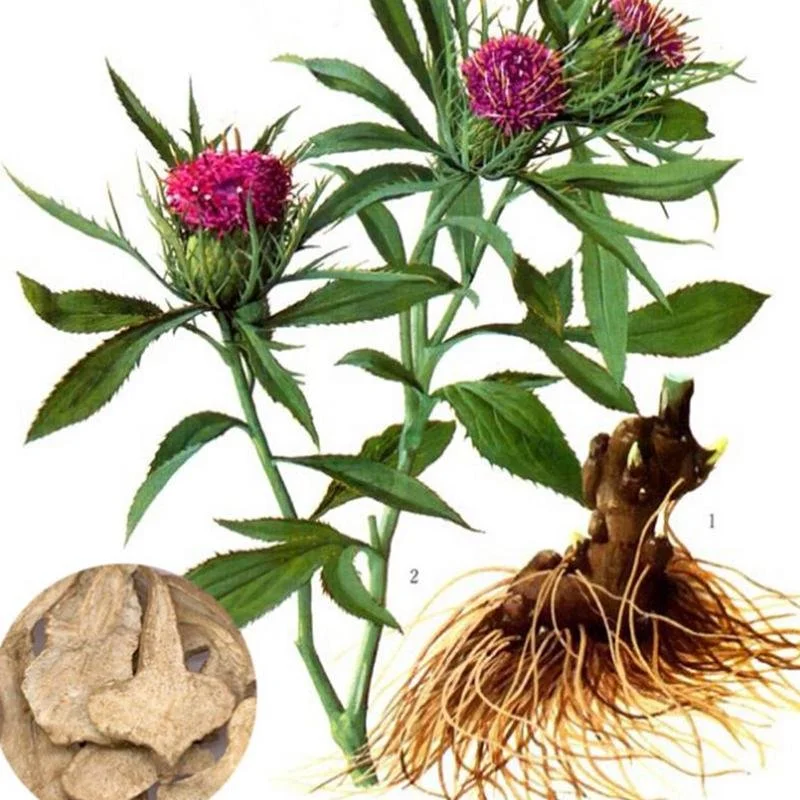
CO2 extracted white atractylodes rhizome
Our Bai Zhu essential oil has an earthy, sweet aroma with a light sharpness which imparts the distinctive nature of the raw medicinal herb. It has a rich, nourishing taste and a thick, opaque brown color. Upon inhalation it provides a warming, comforting and clarifying effect.
Bai Zhu is one of the most important Chinese medicines to tonify the Spleen Qi and therefore reenforce the proper transformation of food into the nutrition which provides the foundation for the production of Qi and blood for the body and supports mental and emotional clarity.
It stabilizes the exterior, stops excessive sweating from deficiency and strengthens the Wei protective Qi for those who are susceptible to wind, frequent colds, or allergies.
Bai Zhu is also used in Chinese medicine to maintain pregnancy when it is threatened due to Qi deficiency. For this purpose, practitioners may want to consider combining the essential oils of Bai Zhu, Wu Wei Zi (Schisandra Fruit), and a small percentage of Huang Qi (Astragalus Root) and Ai Ye (Artemesia argy Leaf) as a 3% dilution in sesame oil for gentle topical application on appropriate acupuncture points and channels.
Note: Middle - Base
Channels entered: Stomach, Spleen
TCM category: Tonfying
Major Chemical Components: atractylol, atractylon, humelene, elemol, curcumene, eudesmol, hinesol, selinene.
15ml bottles of essential oils are offered at a 15% discount for licensed professionals only, as found in the “select size” dropdown - see FAQ for information on how to access professional discounts.

Steam distilled Semen Biotae orientalis
aka Platycladi Semen, Arborvitae Seed
Our Bai Zi Ren essential oil is extracted by steam distillation from the seeds of a north western Chinese evergreen conifer commonly known as Arborvitae, meaning tree of life illustrating its enduring association with long life and vitality.
The Shen Nong Ben Cao Jing Du explains, "The evergreen receives the resoluteness of heaven and earth and remains unchanging; it goes through winter retaining its green lushness and thus can pacify the Heart Spirit and contain the Heart Qi. Its steadfastness also makes it impervious to invasion by evil Qi's floating fire."
The essence of the small, oily, yellow seeds of Biotae Orientalis, with its spicy, bitter and grounding aroma, opens the heart, the ear orifice and hearing and rises through the nose to activate the pineal gland which the philosopher Renee Descartes called "the principal seat of the soul" and viewed as the third eye.
The pineal produces melatonin which affects the modulation of sleep patterns in both seasonal and circadian rhythms. Indeed, this Bai Zi Ren essential oil has proven to be effective and fast acting in cases of insomnia. Li Shi Zhen's Ben Cao Gang Mu explains that Bai Zi Ren "nourishes Heart Qi, moistens dryness, Quiets Hun and settles Po, boosts the Zhi (will) and pacifies the Shen (spirit).”
Bai Zi Ren be blended with Wu Wei Zi oil for deficiency type night sweats and disturbed sleep or with Dang Gui oil for palpitations, dizziness and forgetfulness.
Note: base
TCM Category: Nourish heart, calm spirit
Major chemical components: Sesquiterpene alcohols: cedrol [3], platydiol. Monoterpenes: pinene, carene. Sesquitepenes: cuparene [4], δ-cadinene. Monoterpene alcohol: linalool.
15ml bottles of essential oils are offered at a 15% discount for licensed professionals only, as found in the “select size” dropdown - see FAQ for information on how to access professional discounts.

Steam Distilled Litsea cubeba Fructus
The sunny, lemon pepper aroma of Bi Cheng Qie seems to penetrate warmth from head to toe. It first rises up to the pituitary gland, bringing yang to stimulate the production of yin essences and then descends, warming and freeing the middle and lower burners, particularly the Qi of the Spleen/Stomach and Kidney/ Urinary Bladder.
Litsea Fructus is a spicy tree fruit of the pepper family. The best quality is considered to be the large,oily, and intensely aromatic fruit from Lingui in Guangxi province. Our Bi Cheng Qie oil is produced by steam distillation.
Litsea Cubeba essential oil has anti fungal and antibacterial properties. Caprylic acid, a popular ingredient in topical anti fungal preparations, is one of the fatty acids found in Litsea seeds.
Note: Middle
TCM Category: Warming the interior
Channels Entered: TCM: Spleen, Stomach, Kidney, Urinary Bladder. As essential oil: Lung, Spleen, Liver, Kidney.
Major chemical components: Monoterpene aldehydes (< 60%): citral, neral, geranial. Sesquiterpene alcohol: cubebol. Monoterpene alcohol: citronellol. Monoterpenes: limonene, pinene, myrcene, camphene. Monoterpene ketone: camphor (> 0.03%).
15ml bottles of essential oils are offered at a 15% discount for licensed professionals only, as found in the “select size” dropdown - see FAQ for information on how to access professional discounts.

Steam distilled origanic Menthae haplocalysis Heba
(field mint, peppermint)
Compare with our Jiao Yang Bo He
The classic fresh, pungent peppermint aroma of our steam distilled Bo He is immediately expansive, stimulating and cooling. It quickly opens the nasal passages, brighten the eyes and lifts the mood.
Practitioners may consider adding Bo He as a top note to essential oils blends for symptoms of wind heat fever and congestion or to facilitate the flow of liver Qi and relax the emotions. Bo He oil may also be helpful to relieve itching.
For headache, blending Bo He and Chuan Xiong essential oils and applying locally has been found to be quite effective and fast acting.
Dilution: 2-8% (test for sensitivity with higher dilutions)
Note: Top
TCM category: Releasing exterior wind heat
Channels Entered: Lung, Liver
Major chemical components: Monoterpene alcohol: menthol. Monoterpene ketones: menthone, pulegone. Ester: menthyl acetate. Monoterpene ether oxide: 1-8 cineole (eucalyptol).
15ml bottles of essential oils are offered at a 15% discount for licensed professionals only, as found in the “select size” dropdown - see FAQ for information on how to access professional discounts.
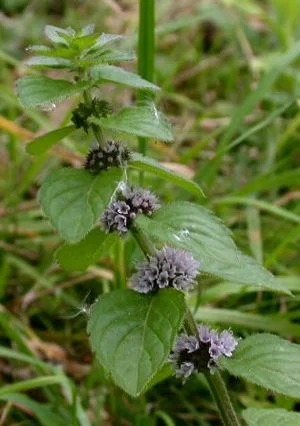
Mentha Canadensis, American Wild Mint
The aroma of our Jiao Yang Bo He - American Wild Mint essential oil has the fresh spiciness of traditional Bo He (Menthae haplocalysis Heba - peppermint) but with a softer, earthy tone. It is immediately cooling and tingling on the skin. It’s energy is opening and releasing.
Compare to our traditional Bo He.
Note: Top
Dilution: 2-8% (test for sensitivity with higher dilutions)
TCM Category: Releasing exterior wind heat
Channels Entered: Lung, Liver
Major Known Chemical Constituents: menthol, menthone, limonine cineol
15ml bottles of essential oils are offered at a 15% discount for licensed professionals only, as found in the “select size” dropdown - see FAQ for information on how to access professional discounts.

]補骨脂 tonify bone tallow
CO2 extracted Psoralea fruit
Fructus Psoralaea grows wild throughout China, liking warm, humid, sunny environments on mountain slopes, by streams and in fields. The dried ripe finely-wrinkled fruit has long been used in traditional Chinese medicine for the treatment of Kidney Yang deficiency. The fruit is harvested in the Autumn, after absorbing the fullness of summer’s heat, and is dried in the sun attesting to its warm Yang tonifying nature.
The aroma of our CO2 extracted Bu Gu Zhi essential oil is warm, sweet, and bitter with a luscious cinnamon salted-butter undertone. This smooth, silky oil has a glowing amber-chocolate color. Bu Gu Zhi is bitter and pungent to the taste and reinforces the Kidneys and strengthens the Yang.
Bu Gu Zhi is literally translates as “tonify the bone tallow,” suggesting that the herb and its essential oil function to nourish and strengthen the bones and enrich the marrow. Since the bones are ruled by the Kidneys in Chinese medicine, ancient herbalists revered Bu Gu Zhi as a rich, mineralizing source of vitalizing the Kidneys.
Bu Gu Zhiwarms the Dan Tian, revitalizes Kidney Yang, consolidates Essence, and retains urine. As such it can be used for issues such as impotence, spermatorrhea, urinary incontinence and frequent urination while Its warming nature addresses cold and pain in the low back and returns fire to the Ming Men.
Bu Gu Zhi’s action of warming the Kidney Yang directly supports the Spleen, consequently acting to improve digestion and absorption, deal with diarrhea, borborygmus, bloating, and poor appetite typical of Spleen deficiency.
Another attribute of the Kidney Qi is to “grasp” the Lung Qi. Therefore Bu Gu Zhi helps anchor the breath upon inhalation when deficiency causes asthmatic difficulty.
The Kidney essence, along with the blood supports the growth of healthy hair. Adding Bu Gu Zhi essential oil to a hair treatment regimen helps to promote growth of healthy, lustrous hair.
There have been promising clinical studies using Bu Gu Zhi to treat vitiligo and alopecia.
Note: Middle
TCM Category: Tonify the Yang
Channels entered: Kidney, Spleen, Pericardium
Major Chemical Components:
Coumarins, flavones, monoterpene phenols, lipid compounds, resins and stigmasteroids. Volatile oils include limonene, terpin-4-ol, linalool, β -caryophyllene and geranyl acetate.Mono-terpane-phenol includes bakuchiol. Fatty acids, stigmasterol, daucosterol, saponin.
15ml bottles of essential oils are offered at a 15% discount for licensed professionals only, as found in the “select size” dropdown - see FAQ for information on how to access professional discounts.

Xanthium Fruit
Our Cang Er ZI essential oil is locally steam distilled from the mature fruit and seed of the xanthium fruit.
This essential oil has a pleasant fruit forward aroma of ripe concord grapes with a gentle menthol top note. This oil is so light and serene that it may be effectively applied directly to the nasal mucus membranes for a soft, cleansing effect on the sinuses.
In Chinese Medicine the seed of the xanthium fruit, Cang Er Zi, is one of the indispensable go-to, medicinals for treating conditions related to colds, allergies and sinusitis. Accordingly, it is distinguished for its ability to open the nasal passages, alleviate sinus pain and sinus related headache and to open blocked nasal passages.
Cang Er Zi’s nature is warm, and it has an affinity for the Lungs and Lung channel. Our essential oil can be utilized as a steam to address a host of related sinus and nasal issues while also warming and breaking up phlegm.
Moreover, a key feature of Cang Er Zi is its ability to dispel wind and dampness and has been utilized for millennia to treat irritated, itchy skin and various rashes. Our essential oil, with its abundant Ethyl Linoleate and Vitamin E content has a gentle soothing effect on the skin and may be used topically to help alleviate dermatological related issues.
Whether used as a steam or as a topical our Cang Er ZI essential oil has a warming, opening, dispersing, yet relieving effect that can be gently utilized during a painful, uncomfortable bout of winter sinusitis or during a swollen, itchy rash outbreak.
Note: Middle and Base
TCM Category: Wind Cold Releasing
Channels Entered: Lung, Liver
Major Chemical Components: Ethyl Linoleate, Vitamin E, Palmitic acid ethyl ester, Squalene, Ethyl Oleate.
15ml bottles of essential oils are offered at a 15% discount for licensed professionals only, as found in the “select size” dropdown - see FAQ for information on how to access professional discounts.

CO2 extracted Rhizoma Atractylodis
"Red Essence" or "Black Essence"
Cang Zhu oil's fresh, sharp, earthy aroma opens and dries the nasal passages and leaves a pungent, bittersweet taste in the mouth. It seems to clarify thought and put one in the mood for deep reflection. Atractilodis Lancea, the most fragrant variety, grows wild mainly in Hubei and Jiangsu provinces. The rhizome is dug up in the spring or autumn and dried in the sun. The interior of the rhizome, the part used in medicine, is reddish in color.
Application of Cang Zhu essential oil with it's aromatic and drying nature make it useful whenever accumulation of dampness is the cause of dysfunction, illness or pain, and commonly used in the case of digestive disturbances because of it's affinity to spleen and stomach.
Note: Middle and base
TCM Category: Aromatic herbs that transform Dampness
Channels Entered: TCM: Spleen, Stomach, Lung, Liver. As essential oil add Kidney.
Major chemical components: Sesquiterpinoids: atractylodin, atractylone [6], hinesol, eudesmol, atractylenolide, caryophyllene, elemene, selinene
15ml bottles of essential oils are offered at a 15% discount for licensed professionals only, as found in the “select size” dropdown - see FAQ for information on how to access professional discounts.

CO2 extracted Daucus carota
HONG LO BAI ZI
The Aroma of our rich, deep orange colored Carrot Seed oil is softly spicy with a sweet, nutty undertone. Its richness brings cool water to the eyes.
The main action of Carrot Seed essential oil is to nourish the Liver’s blood, and consequently benefit the eyes and vision with such symptoms as dry eyes, poor vision, brittle nails, dizziness, and scanty menses. It also supplements Liver and Kidney Yin and has a nourishing, cooling nature.
Rich in Vitamin A, Carrot seed essential oil repairs damaged skin. It is also a natural sunscreen.
For Liver Blood and Kidney Yin deficient insomnia, agitation and heat blend Carrot Seed with Bai Zi Ren (Biota Semen), Lavender and Zhi Zi (Gardenia Fructus).
To both nourish and vitalize the blood combine with Chuan Xiong (Ligusticum wallichii).
If there is depression, combining with Xiang Fu essential oil (Cyperis) may prove beneficial.
To benefit the vision combine with Ju Hua (Chrysanthemum Flos).
When Liver fire has caused consumption of the Liver’s Blood, as may happen in chronic inflammation of the Liver (Hepatitis), practitioners may consider a blend of Carrot Seed oil with Qing Hao (Artemisea annua) and Yin Chen Hao (Artemisea soparia) and Zhi Zi (Gardenia fructus).
Carrot seed essential oil has benefits to the hormonal system by helping to regulate the production of thyroxine and promote progesterone.
Note: Middle
TCM category: Nourishing Blood
Meridians entered: Liver and Kidney
Major chemical components: Sesquiterpinol: carotol. Sesquiterpene: bisabolene. Monoterpenes: pinene, sabinene, camphene, myrcene, terpene, limonene. Monoterpenoid acetate ester: geranyl acetate.
15ml bottles of essential oils are offered at a 15% discount for licensed professionals only, as found in the “select size” dropdown - see FAQ for information on how to access professional discounts.

CO2 extracted Platycladus orientalis, Leafy twigs of Chinese Arborvitae
Ce Bai Ye essential oil has a tart evergreen aroma with an acrid sharp edge that clears the breathing passages, and opens a pathway to bring it’s sour taste to the mouth.
The common name of this tree, “arborvitae,” from the Latin, “tree of life,” was given because of its traditional association with long life and vitality in China. This is partially based on the tree’s ever-green, hearty longevity in the cold dry climate of northwest China. References to it are found in the practices of ancient Daoist alchemy. Some of the larger specimens planted around Buddhist temples in China are said to be in excess of 1,000 years old. It is called ce bai (側柏) in Chinese. Ce Bai Ye is the leaf and twig of the same tree as Bai Zi Ren.
Platycladus is a distinct genus of evergreen coniferous tree in the cypress family Cupressaceae, containing only one species, Platycladus orientalis, also known as Chinese thuja, [ Oriental arborvitae, [5] Chinese arborvitae, biota or oriental thuja.
The main therapeutic function of Ce Bai Ye in Chinese medicine is to stop bleeding. It’s nature is astringing and cooling but in combination with other herbs it is able to help with various types of bleeding disorders. For example, in cases of cold and deficiency practitioners may consider blending Ce Bai Ye essential oil with those of Ai Ye (Artemesia argy), and Gan Jiang (Ginger).
For traumatic injury, consider blending with Jiang Xiang (Dalbergia). With Wu Wei Zi (Schizandrae) when there is depletion. Ce Bai Ye’s affinity for the lung makes it a helpful choice for coughs when there are signs of heat and phlegm.
Apply Ce Bai Ye essential oil topically to burns to promote healing.
Ce Bai Ye has been shown to treat Hair loss. Recent research suggest that extract of Platycladus leaf (Thuja orientalis) promotes hair growth by inducing the anagen phase in resting hair follicles. Another research finds hair growth promoting activity of cedrol isolated from the leaves of Platycladus orientalis.
Note: Middle - Base
TCM Category: Stop Bleeding
Channels entered: TCM: Lung, Liver, Large intestine. As essential oil also Kidney.
Major Chemical Constituents: Monoterpenes: carene, pinene, sabinene, limonene. Sesquiterpene: thujopsene. Sesquiterpene alcohol: cedrol [3]. Diterpene: pinusolide.
15ml bottles of essential oils are offered at a 15% discount for licensed professionals only, as found in the “select size” dropdown - see FAQ for information on how to access professional discounts.

Steam distilled Radix Bupleuri
(Bupleurum Root, Chinese Thorowax Root, Hare's Ear Root)
Chai Hu's woody, pungent aroma leaves a lightly bitter taste at the back of the mouth. Being uplifting and upward moving, it awakens the eyes, forehead and the mind, bringing clarity of vision to what we think and clarity of thought to what we see. Chai Hu essential oil harmonizes our internal and external worlds. Its channel affinities—Liver/Gall Bladder and Pericardium/Triple Heater—further account for this Yin/Yang balancing action.
Li Gao commented: "it focuses on blood in the Yin organs, while in the channels it focuses on Qi" making it a perfect choice where regulation of both Qi and Blood, which are essential in menstrual disorders, and when Liver Qi constraint causes emotional disturbances, digestive distress or pain.
Our Chai Hu essential oil is steam distilled from the root of Bupleurum, a perennial herb which grows wild on the sunny sides of sedge thickets in central and eastern China. It's small golden flowers bloom in autumn. For medicinal use, the roots are dug up in Spring or Autumn and dried in the sun.
In pharmacological studies, Chai Hu essential oil and one of its main chemical components, saikosaponin, demonstrated analgesic and sedative effects.
Note: Middle and base
TCM Category: Releasing the exterior
Channels Entered: Liver, Gall Bladder, Pericardium, San Jiao
Major chemical components: Triterpine saponine: saikosaponin [7] Aldehydes: hexanal, furfural carbaldehyde, heptanal. Sesuiterpenes: cedrene, cuparene, thujopsene, cadinene, beta elemene. Sesquiterpene alcohol: cedrol. Monoterpenes: fenchene, pinene, sabinene.
15ml bottles of essential oils are offered at a 15% discount for licensed professionals only, as found in the “select size” dropdown - see FAQ for information on how to access professional discounts.
CO2 extracted Radix Bupleuri and Bai Zi Ren (Biota Seed) carrier oil
(Bupleurum Root, Chinese Thorowax Root, Hare's Ear Root)
Fine quality, authentic Chai Hu (Bupleurum) essential oil has gotten harder to find and the raw plant material has dramatically gone up in price. The Chai Hu CO2 extracted oil that we have now is recommended for its medicinal value because It is highly concentrated and potent. It also has a very thick consistency which makes it difficult to pour or measure in drops without heating. In order to make it more user friendly and less expensive while still maintaining its potency, I’ve decided to dilute it with a medicinally appropriate carrier oil. An essential oil this concentrated would normally be diluted prior to use anyway. In this case I have chosen Bai Zi Ren carrier oil for its therapeutic attributes that will match and enhance the medicinal actions of Chai Hu.
Chai Hu diluted with cold pressed Bai Zi Ren (Biota Seed) carrier oil calms the spirit and harmonizes the emotions by nourishing Liver and Heart blood. This combination helps to deal with anxiety, menstrual irregularities, PMS, irritability, insomnia, agitation, and other mental, mood or emotional related issues.
These are 25% dilutions (equivalent to 250 drops of essential oil in one ounce of carrier oil). Because of the dense potency and intense aroma of this essential oil I feel that these strong dilutions can be used as if they are 100% essential oil which means that there is room for further diluting and blending with other essential oils.
Our CO2 extracted Chai Hu has similar medicinal properties to the steam distilled essential oil, but with its own very distinctive personality. It is thick, opaque, dark colored, fast acting and super potent. The aromas of the two Chai Hu are very different with the CO2 being densely woody with a spice undertone. Its effect is deeply relaxing and soothing to the Liver's Qi as well as regenerating for the liver organ. Their chemical compositions are similar with the difference being mainly in the percentages of components.
Note: Middle and base
TCM Category: Releasing the exterior
Channels Entered: Liver, Gall Bladder, Pericardium, San Jiao
Major chemical components: Triterpine saponine: saikosaponin [7] Aldehydes: hexanal, furfural carbaldehyde, heptanal. Sesuiterpenes: cedrene, cuparene, thujopsene, cadinene, beta elemene. Sesquiterpene alcohol: cedrol. Monoterpenes: fenchene, pinene, sabinene.
15ml bottles of essential oils are offered at a 15% discount for licensed professionals only, as found in the “select size” dropdown - see FAQ for information on how to access professional discounts.
CO2 extracted Radix Bupleuri with Black Cumin Seed
(Bupleurum Root, Chinese Thorowax Root, Hare's Ear Root)
Fine quality, authentic Chai Hu (Bupleurum) essential oil has gotten harder to find and the raw plant material has dramatically gone up in price. The Chai Hu CO2 extracted oil that we have now is recommended for its medicinal value because It is highly concentrated and potent. It also has a very thick consistency which makes it difficult to pour or measure in drops without heating. In order to make it more user friendly and less expensive while still maintaining its potency, I’ve decided to dilute it with a medicinally appropriate carrier oil. An essential oil this concentrated would normally be diluted prior to use anyway. In this case I have chosen Black Cumin Seed carrier oil for its therapeutic attributes that will match and enhance the medicinal actions of Chai Hu.
Chai Hu diluted in cold pressed Black Cumin seed carrier oil regulates the Liver Qi, benefits the liver organ, and harmonizes the Liver and Stomach. This combination helps to deal with digestive upset, ease diaphragmatic and abdominal discomfort, or menstrual pain and irregularity, especially when due to emotional causes such as anger, frustration and pent up emotion.
These are 25% dilutions (equivalent to 250 drops of essential oil in one ounce of carrier oil). Because of the dense potency and intense aroma of this essential oil I feel that these strong dilutions can be used as if they are 100% essential oil which means that there is room for further diluting and blending with other essential oils.
Our CO2 extracted Chai Hu has similar medicinal properties to the steam distilled essential oil, but with its own very distinctive personality. It is thick, opaque, dark colored, fast acting and super potent. The aromas of the two Chai Hu are very different with the CO2 being densely woody with a spice undertone. Its effect is deeply relaxing and soothing to the Liver's Qi as well as regenerating for the liver organ. Their chemical compositions are similar with the difference being mainly in the percentages of components.
Note: Middle and base
TCM Category: Releasing the exterior
Channels Entered: Liver, Gall Bladder, Pericardium, San Jiao
Major chemical components: Triterpine saponine: saikosaponin [7] Aldehydes: hexanal, furfural carbaldehyde, heptanal. Sesuiterpenes: cedrene, cuparene, thujopsene, cadinene, beta elemene. Sesquiterpene alcohol: cedrol. Monoterpenes: fenchene, pinene, sabinene.
15ml bottles of essential oils are offered at a 15% discount for licensed professionals only, as found in the “select size” dropdown - see FAQ for information on how to access professional discounts.

Steam distilled Citri reticulate Pericarpium
Citri reticulatae Pericarpium, Aged Tangerine Peel
The process of aging the Tangerine Peel before distilling, gives this essential oil a rich crimson color which indicates that it has an affinity to the Heart and Pericardium as well as to it’s traditional Chinese Medicine herb affinities of Lung, Spleen and Stomach. Also, as a result of aging, its citrusy aroma, fruity and tart, takes on a gentle earthy quality as well. Its effect warms the Heart and Spirit and aids the Earth element to produce the blood that is then vitalized by the Fire of the Heart. All together Chen Pi has a more warming and tonifying nature as compared to its other Citrus essential oil counterparts; Qing Pi (Green tangerine Peel), Zhi Ke (Citrus aurantium) and Fou Shou (Buddah’s Hand).
Chen Pi regulates and harmonizes the Qi of the Spleen and Stomach for all types of digestive disturbances. It also warms the chest and helps the Lung to clear and descend when it is encumbered by dampness and phlegm due to disruption of the Spleen’s transportive and transformative functions.
For signs of cold dampness stagnating in the Spleen /Stomach such as fullness, loss of appetite, acid regurgitation, nausea, fatigue, loose stools, etc. Chen Pi works well with Cang Zhu (Atractylodes), Hou Po (Magnolia Bark) and a little Gan Jiang (Ginger) as a blend diluted in Black Cumin Seed carrier oil.
In pharmacological studies, intravenous injection of Chen Pi stimulates contraction of smooth muscle, increases peristalsis, increases contractility of Heart muscle and cardiac output. It also dilates the coronary artery. (Chen and Chen Chinese Medical Herbology and Pharmacology p.480)
Note: Top
TCM Category: Regulation Qi
Channels Entered: TCM: Lung, Spleen Stomach. As an Essential oil also Heart and Pericardium
Major Known Chemical Constituents: Monoterpenes: limonene, terpinene, pinene, myrcene, cymene, sabinene, thugene. Monoterpene alcohols: linalool, terpineol, citronellol. Monoterpene aldehyde: perillaldehyde. Methyl esters. Phenol: thymol.
15ml bottles of essential oils are offered at a 15% discount for licensed professionals only, as found in the “select size” dropdown - see FAQ for information on how to access professional discounts.

CHUAN XIN LIAN 穿心蓮
“Penetrate/Thread Through the Heart Lotus”
Our Chuan Xin Lian essential oil has an opaque dark green-brown color. Its aroma is a strong and sharp, herbaceous, musty earth which follows the breath from the chest downward penetrating into the digestive tract.
Andrographis effectively clears heat and toxins both externally and internally. In recent times it has become one of the most used herbal substances to eliminate toxins of various kinds, especially popular for treating viral or bacterial infections manifesting with sore throat, fever, headache and cough.
Used topically its affinity for the Lung and Metal element address skin problems such as eczema or skin sores, even snake bites especially where heat and dampness are a factor.
Chuan Xin Lian is often paired with Jin Yin Hua (Flos Lonicera) and Ju Hua (Flos Chrysanthemi) for treating a wide range of infections or skin problems. Specifically for coughs due to Lung infections, Chuan Xin Lian may be combined with Yu Xing Cao (Herba Houttuynia) essential oil. These combinations of essential oils may be blended and diluted in a carrier oil such as Almond and applied topically on affected areas of the body and on acupuncture points.
The chemical composition of Andrographis paniculata essential oil is rich in bioactive compounds, particularly diterpenoids and flavonoids, along with other phytochemicals that contribute to its powerful anti microbial and other medicinal properties including hepatoprotective. Research shows the main active ingredient is andrographolide, a diterpenoid which has been shown to offer many pharmacological effects such as anti-inflammatory, anti-viral, antibacterial, anti-cancer.
Studies report that Andrographis is also indicated for parasitic infections, particularly Ascaris lumbracoides (large roundworm) and for dysentary. It is also an herb that is used against bacterial hepatitis, and E.Coli.
Note: Middle
TCM Category: Clearing Heat and Eliminating Toxins
Channels Entered: Lung, Stomach, Large intestine, Small intestine
Diterpenoids: andrographolide compounds and their derivatives. Flavonoids, and polyphenols such as oleanoic acid (a triterpenoid), azulene, benzoic acid, and various fatty acids and esters.
15ml bottles of essential oils are offered at a 15% discount for licensed professionals only, as found in the “select size” dropdown - see FAQ for information on how to access professional discounts.

CO2 extracted Ligustici wallicii Rhizoma
(Sichuan Lovage Rhizome)
Chuan Xiong's rich buttery aroma, reminiscent of fresh celery and chive, refreshes the eyes, tingles the scalp, frees the neck and spreads throughout the body causing it to want to move and release. Ligustici Chuanxiong is a plant native to China's Sichuan Provence. The medicinal rhizome is collected in the summer when the nodal points on the stem protrude and are light purple in color as a signal that its blood vitalizing properties are at their height.
The name Chuan Xiong traditionally means overworked and exhausted dome/sky referring to its special ability to rise up, benefiting the head and brain for treatment of all types of headache. Overall, Chuan Xiong essential oil is useful to invigorate the blood, free the movement of the Qi, expel wind and stop pain. The twelfth-century writer Zhang Yuan-Su described its scope: "Above it moves through the head and eyes while below it moves through the sea of blood.”
For headaches caused by wind consider using with Jing Jie oil. For blood deficiency and stagnation type headaches may be combined with Dang Gui oil.
Z-ligustilide, an essential oil extract found in both Chuan Xiong (Ligustici Wallicii) and Dang Gui (Angelicae sinensis), has been shown to have broad pharmaceutical applications in treating cardio-vascular disease and ischemic brain injury and has recently been studied in connection to Glioblastoma multiforme.
Note: Middle and base
TCM Category: Invigorating blood
Channels Entered: Liver, Pericardium
Major chemical components: Phthalides (lactone esters): ligustilide [8], senkyunolide. Monoterpenes: sabinene, limonene. Sesquiterpene: selinene.
15ml bottles of essential oils are offered at a 15% discount for licensed professionals only, as found in the “select size” dropdown - see FAQ for information on how to access professional discounts.

CO2 extracted Angelicae sinensis Radix
"Dang Gui" expresses the deeply supportive and nurturing character of this herb. Dang meaning to embody and Gui meaning to enter or return to the original state—to go home in a sense. Dang Gui's sweet scent of moist fertile earth from the deep forest opens up in the mouth and moves down into the middle jiao. It seems to soften the eyes and the vision, warm around the ears and make the body and mind feel soft, supple and receptive.
Our Dang Gui oil is CO2 extracted from the medicinal root of Angelica Sinensis, a hardy perennial which grows wild on high ground in cool and damp areas of western and northwestern China.
The properties of Dang Gui include nourishing, invigorating, warming and harmonizing the blood, making it one the most widely used and versatile herbs for dealing with a wide range of blood patterns including deficiency, pain, dryness and cold.
Dang Gui essential oil is ideal for gynecological issues, for the healing of injuries where blood is congested, as well as for a disturbed spirit due to blood deficiency. The oil can be especially useful topically for numbness or skin problems caused by blood-deficient wind.
Clinical studies have shown that Dang Gui essential oil has a relaxing effect on the smooth muscle of the uterus and is effective in reducing menstrual pain. It was also found to benefit patients with coughing and wheezing.
Z-ligustilide, an essential oil extract found in both Chuan Xiong (Ligustici Wallicii) and Dang Gui (Angelicae sinensis), has been shown to have broad pharmaceutical applications in treating cardio-vascular disease and ischemic brain injury and has recently been studied in connection to Glioblastoma multiforme.
Note: Middle and base
TCM Category: Tonify blood
Channels Entered: Heart, Liver, Spleen. As an essential oil add: Lung.
Major chemical components: Phthalides (lactone esters): ligustilide [8], cinidilide. Phenols: safrole, ferulic acid. Diterpenes. Phytosterols, angelica polysaccaride. Monoterpene: cymene. Coumarin.
15ml bottles of essential oils are offered at a 15% discount for licensed professionals only, as found in the “select size” dropdown - see FAQ for information on how to access professional discounts.

Organic CO2 extracted Eugenia caryophyllata, Caryophylli flos, Clove
“Spike Fragrance”
The Chinese character for “Ding” 丁 is the symbol of the Fourth Heavenly Stem and is associated with Fire, the South direction, the Heart and is characterized by a Red Bird. Ding Xiang lives up to its name. The clove flower bud is red in color and its essential oil is pure Yang, hot and spicy in nature. Its strong aroma is imbued with the delicious fragrance of true clove spice, warming and enlivening. It awakens the appetite for food and for life.
As an essential oil, Ding Xiang’s spicy heat can be irritating to he skin and should be diluted to 1%-2% (test as a 1% dilution first)
Eugenia caryophyllata grows wild in Guangdong and Hainan provinces of China. Its flower bud, Ding Xiang is collected during the period from September to March when the buds turn from green to red.
Ding Xiang warms the Yang of the Kidney and Spleen and can be a helpful addition in blends to address signs of cold deficiency of the lower and middle Jiao such as fatigue, poor appetite and digestion, weak sore low back and knees, cold extremities, memory loss, loose stools, frequent urination, impotence, clear vaginal discharge, etc.
Clove warms the center and directs rebellious Stomach Qi downward. It is often used when cold has affected the normal functioning of the spleen and stomach causing symptoms such as vomiting, hiccough, abdominal pain, or diarrhea. Consider blending with Bi Cheng Qie (Litsea), and Mu Xiang (Saussurea) essential oils.
For signs of Cold and deficiency of Spleen and stomach, combine Ding Xiang essential oil with oils of Dang Shen (Codonopsis) and Gan Jiang (Zingberis).
Ding Xiang has anti fungal properties and can be diluted (2%) and applied topically on the affected area.
A 1% dilution may be applied to gums and teeth for toothaches.
Note: Top
TCM Category: Warming the Interior and Expelling Cold
Channel entered: Kidney, Spleen, Stomach
Major Chemical components: Phenol (Phenylpropanoid): eugenol [9]. Sesquiterpene: caryophyllene. Ester: eugenyl acetate.
15ml bottles of essential oils are offered at a 15% discount for licensed professionals only, as found in the “select size” dropdown - see FAQ for information on how to access professional discounts.

CO2 extracted Angelicae pubescentis Radix
"Self-reliant existence"
The heavy bitter sweetness and spicy edge of this Du Huo essential oil is deeply satisfying. Its aroma brings moisture to the eyes, a warm tingling to the ears and vitality to the knees. It's name "self reliant existence" refers to the strength of the plant's stalk, which stands straight up and is not shaken by the wind. Du Huo essential oil strengthens the will and builds self reliance. This, in turn, reflects Du Huo's actions to resolve chronic wind damp conditions, strengthen the spine, legs and joints and overcome disabilities.
In the early classics of Chinese medicine, Du Huo was said to have a strong association with the Chong Mai and used to treat "Running piglet Qi" as in cases of tetany or epilepsy. Applied to Kidney points along the Chong Mai, it may regulate the "Sea of Blood" and help to overcome fear.
Our Du Huo oil is CO2 extracted from the root of Angelica pubescentis, a thick, oily root with strong fragrance. The best medicinal quality called "Chuan Du Huo" grows in Sichuan and Hubei provinces and is collected either in early spring before sprouting or late autumn after stem and leaves have withered when the plant's energies are focused on the root.
Du Huo invigorates the circulation of Qi and blood. It breaks up blood clots and inhibits platelet aggregation. Classically, it was used as a poultice for wound healing because of its anti-sceptic and analgesic properties.
For use In dermatology, it's activity brings circulation outward, and moves blood to expel wind to relieve itching. May be blended and applied topically with Jing Jie oil for rash and itching, or combined with Chuan Xiong oil for aches and pain due to wind cold and dampness.
Note: Base
TCM category: dispelling wind-damp and relieving pain
Channels entered: Kidney, Urinary Bladder, Heart, Liver
Major Chemical Components: Phenols: angelol [10], drynol. Coumarins: osthole. Monoterpenes: pinene, cedrine, silvestrene, cryptone.
15ml bottles of essential oils are offered at a 15% discount for licensed professionals only, as found in the “select size” dropdown - see FAQ for information on how to access professional discounts.

CO2 extracted Cortex Eucommiae
Eucommia Bark
Our Du Zhong CO2 extracted essential oil with its golden sunshine color and rich, fruity, musky aroma provides a warm, nourishing, fortifying feeling.
Indeed, Du Zhong in traditional Chinese medicine is prized for its attributes which increase vitality and promote longevity. It tonifies the Liver and Kidney thereby strengthening the sinews and bones. Consequently, it is famous for treating chronic lower back, leg and knee weakness and pain that arise from Kidney Yang deficiency. The essential oil can be applied topically for this purpose as well as to heal broken bones.
Other conditions associated with Kidney Yang are reproductive and urinary difficulties such as impotence, low libido, and incontinence. Du Zhong is helpful in these areas as well. To address low libido or impotence it may be paired with She Chuang Zi (Cnidiium Seed) essential oil for application on appropriate acupuncture points and areas of the lower back and abdomen.
Du Zhong helps to stabilize a restless fetus or threatened miscarriage by strengthening the Liver and Kidney during pregnancy. For this purpose, apply the essential oil on appropriate acupuncture points and areas. May be combined with essential oils of Bai Zhu (White Atractylodes) and Wu Wei Zi (Schisandra) for this purpose.
Recently, research has shown that Du Zhong lowers high blood pressure.
Note: Middle and Base
TCM category: tonifying yang
Channels entered: Liver and Kidney
Major Chemical Components: Monoterpenes, triterpenes, iridoids, lignans, phenols, esters.
15ml bottles of essential oils are offered at a 15% discount for licensed professionals only, as found in the “select size” dropdown - see FAQ for information on how to access professional discounts.

Steam distilled Rhizoma Curcumae
(Curcuma zedoaria)
E Zhu essential oil is strong, sharp and penetrating. It is a warrior on a search and destroy mission to root out and break up serious, chronic Blood and Qi stasis, palpable masses and hardnenings. This oil means business. Its pungent and bitter warmth reaches deep into the blood level to disperse, unblock and drain while its aroma promotes the flow of Qi. Our E Zhu essential oil is produced by steam distillation.
In traditional Chinese medicine E Zhu enters the Liver and Spleen channels indicating that it works on Qi, Blood, Phlem and food stagnation. Recently, Curcuma Rhizome has become an important herb in the treatment of solid cancers, and reported to be especially effective in cervical cancer.
Practitioners may consider blending the essential oils of E Zhu, Dang Gui, Chuan Xiong and Xiang Fu for dysmenorrhea and amenorrhea with fixed abdominal mass, emotional depression and a wirey pulse. In the case of distention and hardness of the right ribs area, consider combining E Zhu with Chai Hu.
Research has shown that the essential oil of Curcuma Rhizome prolongs the aggregation of platelets and prevents the formation of thrombi. (Chinese Medical Herbology and Pharmacology, Chen and Chen p.667)
Note: Middle
TCM Category: Invigorating blood and removing stasis.
Channels Entered: Liver, Spleen
Major Chemical Components: Sesquiterpenoids [11]: curzerenone, germacrone [12], curcumenol, eudesmol. Sesquiterpenes: beta-elemene, curzerene. Monoterpene ether oxide: 1-8 cineole (eucalyptol). Monoterpene: phellandrene, cymene. Monoterpene ketone: camphor <1.5%.
15ml bottles of essential oils are offered at a 15% discount for licensed professionals only, as found in the “select size” dropdown - see FAQ for information on how to access professional discounts.
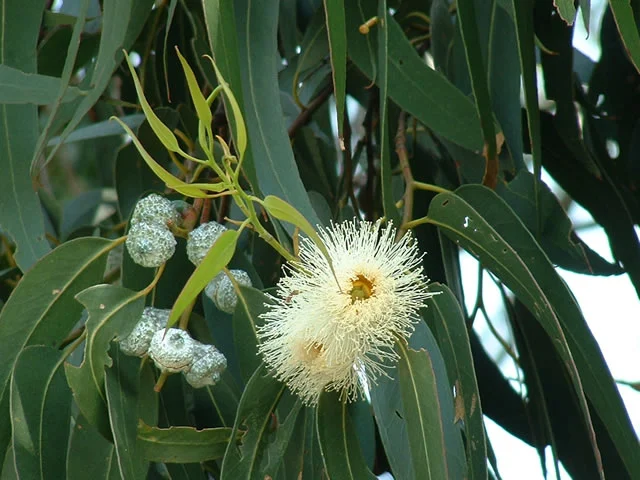
CO2 extracted Eucalyptus globulus
The characteristic aroma of Eucalyptus is strong, spicy and camphorus. Inhaling it's scent immediately opens the nasal passages and expands the chest, freeing and deepening the breath.
Eucalyptus' spicy warmth releases the exterior to treat colds and respiratory infections. It is very effective at opening a congested chest and breaking up mucus and phlegm. It can also help to clear the lymphatic system.
Eucalyptus has anti-viral, antibacterial, anti-fungal and anti-inflammatory properties. It is also considered to be anti aging due to it's action of elongating shortened telomeres.
Diffuse for cold, coughs and congestion and to disinfect the air.
Dilute to 4% and apply as a "rub" to open the chest.
For Children, Eucalyptus Radiata, which is milder and cooler in nature, is recommended.
Note: Top to Middle
TCM Category: Releasing the Exterior
Channels Entered: Lung and Stomach
Major Chemical Components: Monoterpene ether oxide: 1-8 cineole (eucalyptol).
Monoterpenes: pinene, phellandrene, limonene. Aldehyde (benzaldehyde): cuminaldehyde.
15ml bottles of essential oils are offered at a 15% discount for licensed professionals only, as found in the “select size” dropdown - see FAQ for information on how to access professional discounts.

Organic steam distilled Eucalyptus radiata
Compared to Eucalyptus Globulus, the aroma of Radiata is milder and although it is similarly spicy and camphorus, it has a light, soft sweetness to it.
This milder quality makes Eucalyptus Radiata the choice for children, while its cooler nature increases its anti-inflammatory action to treat ENT infections, and fevers.
Eucalyptus' spicy warmth releases the exterior to treat colds and respiratory infections. It is very effective at opening a congested chest and breaking up mucus and phlegm. It can also help to clear the lymphatic system.
Eucalyptus has anti-viral, antibacterial, anti-fungal and anti-inflammatory properties.
Diffuse for cold, coughs and congestion and to disinfect the air.
For children under 7 years old, 1% to 2% dilution is recommended (20 drops in 1 ounce of a carrier such as Almond oil).
Note: Top to Middle
TCM Category: Releasing the Exterior
Channels Entered: Lung and Stomach
Major Chemical Constituents: Monoterpene ether oxide: 1-8 cineole (eucalyptol).
Monoterpenes: pinene, phellandrene, limonene. Aldehyde (benzaldehyde): cuminaldehyde.
15ml bottles of essential oils are offered at a 15% discount for licensed professionals only, as found in the “select size” dropdown - see FAQ for information on how to access professional discounts.

Distilled resin of Liquidambar formosana Hance
Chinese Sweetgum
The resinous aroma of Feng Xiang essential oil is strong. Its sharp effervescent overtone first hits the nose followed by sweet fruity, and floral notes that linger. Its effect is deeply relaxing.
Medicinally, this aromatic resin is used for wound healing and may be applied directly on open wounds because of its anti-bacterial, anti-microbial nature. It is also traditionally used in the treatment of bleeding boils, carbuncles, toothache, and tuberculosis. It promotes blood circulation and relieves pain.
Liquidambar formosana grows mostly in woodlands of the warm temperate zones of Southern China. The trees are rare in cultivation but in their native regions the wood is used for making tea chests and the leaves to feed silkworms. The resin is used medicinally. The resin of our Feng Xiang essential oil originates with trees in Guangxi Province.
Feng Xiang’s most abundant chemical component, the sesquiterpene, Beta-caryophyllene has potent analgesic, anti-inflammatory, antimicrobial, antibacterial, and antioxidant properties. It is known to help relieve stress, anxiety and pain, elevate mood, reduce cholesterol, prevent Osteoporosis, and treat seizures.
Note: Base
CM Category: Invigorating Blood
Channels entered: Heart, Liver, Lung
Major Chemical Components: Caryophyllene >3%, pinene, canmphehe, copaene, cubebene, limonene, cadinen
15ml bottles of essential oils are offered at a 15% discount for licensed professionals only, as found in the “select size” dropdown - see FAQ for information on how to access professional discounts.

Steam distilled Fo Shou - Citri sarcodactylis Fructus, Finger Citron, Fo Shou Gan (Gan = large tangerine)
“Buddha’s Hand”
Fo Shou’s aroma is light and fruity, sweet, slightly pungent with a bitter citrus peel over tone. Its effect is mouth watering and brings a pleasant stimulation to the surface of the skin, hairs and pores. This essential oil is produced by steam distillation.
Therapeutically, according to Chinese material medicas, Fo Shou regulates and spreads Liver Qi, Harmonizes the Stomach and strengthens the Spleen, dissolves phlegm and relieves cough.
For Spleen and stomach Qi stagnation or Liver overacting on the Spleen and stomach with symptoms such as abdominal discomfort, belching, vomiting, poor appetite, combining the essential oils of Fo Shou, Mu Xiang (Auklandia) and Xiang Fu (Cyperi) may enhance its regulating and harmonizing effects.
When Vomiting and nausea are predominant, practitioners could consider using Fo Shou with Sheng Jiang (ginger), and Zi Su Ye (Perilla leaf).
To more strongly descend the Qi, add Jiang Xiang (Dalbergia).
For morning sickness during pregnancy, consider blending Fo Shou with Zi Su Ye and Huang Qin (Scutellaria) essential oils.
To treat cough with phlegm include Fo Shou in a blend with Xing Ren (Armeniacae), Hou Po (Magnolia cortex), and Song Zhen (Pine).
Note: Top
Channels Entered: Liver, Lung, Stomach, Spleen
TCM Category: Regulating Qi
Major Chemical Components: Monoterpenes: d-Limonene [13], y-terpinene, dipentene, ocimene, pinene, thujene. Monoterpene alcohols: linalool, terpineol, geraniol, nerol. Monoterpene aldehyde: citral. Coumarins [14]. Flavonoids.
15ml bottles of essential oils are offered at a 15% discount for licensed professionals only, as found in the “select size” dropdown - see FAQ for information on how to access professional discounts.

Steam distilled Boswellia Sacra
”SACRED FRANKINCENSE"
This Sacred Frankincense from Oman has a bright, resinous, softly pungent balsamic aroma with light citrus and floral over tones. Its effect is heady, up lifting and vitalizing.
The resin of Boswellia sacra among the variety of Frankincense trees is considered a sacred substance. It has a long history of use in religious rituals, burned as an incense meant to purify and open a connection to the divine.
The essential oil of Sacred Frankincense is both physically and spiritually transformative.
Physically, it regulates the blood and breaks up stasis. Applied topically, this essential oil excels at quickly resolving injuries, bruising, swelling, burns and pain. It promotes wound healing and and generation of new cells. It can help to prevent hardening, calcification and plaque in the vessels, and break up congestion in the lymphatic system.
Boswellia sacra is anti-cancer, breaks up tumors and speeds cancer cell death.
Note: Base
TCM Category: Regulating Blood
Channels entered: Liver, Heart and Spleen meridians
Major Chemical Components: Monoterpenes, pinene, dipentene
15ml bottles of essential oils are offered at a 15% discount for licensed professionals only, as found in the “select size” dropdown - see FAQ for information on how to access professional discounts.

茯苓 / 茯神
CO2 extracted Poria cocos
Hoelen, Tuckahoe
Poria cocos is a wood-decay fungus mushroom with a subterranean growth habit manifesting in its Earth element affinity. It develops a large, long-lasting underground sclerotium resembling a small coconut. The outer white part is valued in Chinese medicine to resolve dampness by strengthening the Spleen and moving water through the Kidneys while the inner dark part is prized specifically for its Shen spirit calming function working on the Heart mind and emotions.
Our CO2 extracted Fu Ling essential oil is made using both parts of the plant combined to produce an oil light gold in color with an easily pourable consistency. Its aroma is mild and reminiscent of rooty earth. When deeply inhaled, its gentle aroma seems to travel both upward and downward simultaneously, softly stimulating the highest aspect of the upper Jiao and the lowest aspect of the lower Jiao.
Fu ling essential oil is a valuable addition to blends when strengthening the transforming function of the Spleen and digestion is the goal. To address this type of Qi deficiency consider combining Fu Ling with essential oils of Bai Zhu (Atractylodes) Ren Shen (Ginseng) and a little Gan Jiang (Ginger).
To address Shen Spirit disturbances manifesting as insomnia and palpitations consider combining with the essential oil of San Zao Ren. If caused by phlegm obstructing the heart, combine with Shi Chang Pu (Acorus) and Yuan Zhi (Polygala) essential oils.
Placing the single or blended oils on appropriate acupuncture points will allow for absorption directly into the channel systems.
Pharmacological research has shown Fu Ling to have diuretic as well as sedative properties.
Recent studies demonstrated that lanostane triterpenoids in Poria cocos significantly increased collagen and hyaluronic acid levels in cultured human skin cells and are believed to ameliorate aging skin.
This very well may signal a benefit to including Fu Ling essential oil in cosmetic skin creams or lotions.
Note: Middle
TCM Category: Water regulating and Damp Resolving
Channels Entered: Heart, Spleen, Kidney
Major Chemical components: Lanostane triterpinoids
15ml bottles of essential oils are offered at a 15% discount for licensed professionals only, as found in the “select size” dropdown - see FAQ for information on how to access professional discounts.

CO2 extracted Zingiberis Rhizoma
(Dried Ginger Rhyzome)
Our Gan Jiang essential oil with it's fresh sharp spicy aroma is CO2 extracted from the tough, old "mother " Zingiberis Rhizomes collected in the winter when their energy to generate yang and counteract cold and damp is strongest. The yellowish white color of the root at this time affirms it's affinity with the earth and metal elements and it's beneficial effects on digestion and respiration.
Gan Jiang oil is an excellent choice whenever there is a need to restore the Yang and as an addition to oil blends when cold and damp conditions need to be addressed such as in the case of joint pain which is worse in cold, damp weather.
For example in the case of Digestive cold and insufficient yang with nausea, poor appetite, abdominal discomfort, loose stools, cold limbs and lethargy, combine Gan Jiang together with Mu Xiang and Rou Dou Kou essential oils diluted to 4% (2% for kids) and apply as a tummy compress for comforting relief.
Gan Jiang may also be helpful in blends for Respiratory conditions with coughing and clear or foamy cold phlegm. Consider combining with Eucalyptus Globulus (Radiata for kids), and Ku Xing Ren (Bitter Almond) or Song Zhen (White Pine) essential oils diluted to 6% (2-4% for kids).
Ginger is considered to be mucolytic and therefore helps to break up mucus and phlegm as well as lymphatic congestion.
Recently, ginger has been found to promote the elongation of shortened telomeres, a property of anti aging.
Note: Middle-base
TCM Category: Warm the interior and expel cold
Channels Entered: Lung, Spleen, Stomach, Kidney
Major chemical components: gingerol >15%. Sesquterpenes: gingerin. Monoterpenes: cineol, borneol. Zingberol, zingiberene, bisabolene, a-curcumene, a-farnesesne, b-farnesene, linalool, cineole.
15ml bottles of essential oils are offered at a 15% discount for licensed professionals only, as found in the “select size” dropdown - see FAQ for information on how to access professional discounts.

Steam distilled German Chamomile
German chamomile, a flower from the Aster family, has a sweet herbaceous and slightly fruity aroma that has a sedating effect that will leave you feeling grounded and comforted. It has a beautifully rich distinct deep blue color much like the cooling deep sea. The color holds an association with the Wood element in Chinese Medicine. The Wood element correlates with the Liver organ, which is responsible for free and easy flowing qi and blood in the body, and relaxes the emotions.
When applied topically, it can be used for red irritated skin including eczema, skin legions and wounds. Due to its anti-inflammatory and anti-bacterial properties, can assist with faster healing of legions and help to prevent infection during the healing process.
When diffused, not only can it be used to calm anxiety, anger, agitation, and letting go of bound emotions, it can also help to calm the mind for those with insomnia. Chamomile can also relieve respiratory conditions such as wheezing or colds. It has also been used as a digestive aid by many cultures.
German chamomile has a round hollow dome shape that is reminiscent of the womb. The botanical name Matricaria, means “matrix of the womb” in latin. It has also been used for conditions associated with female reproduction and menstruation.
Anti-inflammatory, analgesic, anti-bacterial, anti-fungal, anti-allergenic, antioxidant
TCM category: Clear heat
Meridians entered: Liver, Lung, Stomach
Major chemical components: chamazulene, farnesene, alpha-bisabolol
15ml bottles of essential oils are offered at a 15% discount for licensed professionals only, as found in the “select size” dropdown - see FAQ for information on how to access professional discounts.

CO2 extracted Lycium barbarum (Fructus Lycii)
Gou Qi Zi essential oil with its mild, fruity, nutty aroma and taste is gentle enough to apply neat. It can be used either as an essential oil, or as a carrier oil for blends. It may be ingested daily as a restorative tonic for issues commonly related to aging, depletion due to chronic illness or recovery after an acute illness that has depleted the body fluids, yin essences or blood.
Gou Qi Zi is one of the rare substances that is able to nourish Jing essence and build up a weakened constitution. It supplements the Liver Blood and Kidney Yin.
Benefiting the eyes is one of Gou Qi Zi’s main functions. The Liver opens to the eyes and Liver Yin along with the circulation of Liver Blood is essential to provide the fluids and that maintain eye health and vision.
Taken as a nutritional supplement 1/3 teaspoon once or twice per day.
To benefit the eyes Gou Qi Zi may be combined either as one of the essential oils or as the carrier oil in a blend with other essential oils such as Ju Hua (Chrysanthemum) Ho Luo Bo Zi (Carrot seed) and Man Jing Zi (Vitex) for application on acupuncture points.
Note: Base
TCM Category: Tonifying Blood
Channels Entered: Liver, Lung Kidney
Major Chemical Constituents: Sesquiterpene: beta-elemene. Fatty acid esters: hexadecanoic (palmitic) acid, linoleic acid, cinnamic acid, ferrulic acid, myristic acid. Ethyl ester: ethyl hexadecanoate. Coumarin: lycibaracoumarin. Monoterpenoid: geranylacetone. Diterpenenoids. Phenols (Phenylpropanoids).
15ml bottles of essential oils are offered at a 15% discount for licensed professionals only, as found in the “select size” dropdown - see FAQ for information on how to access professional discounts.
骨碎補 “Mender of Shattered Bones”
CO2 extracted Drynaria fortunei Rhizome
The aroma of Gu Sui Bu essential oil is strong and sweet with a fermented burnt scent reminiscent of soy miso paste. When inhaled directly, it combs against the nasal passages and throat, warmly reverberating inside the temples and skull, then diving deeply to penetrate the bones. This CO2 extracted oil is dark opaque brown in color with a viscous yet pourable consistency.
A hardy plant, Drynaria grows in shaded areas of the mountains and deciduous forest regions of China and has a thin wooden stem with fern-like green fronds branching out. Gu Sui Bu is the rhizome of the plant, known to prefer growing on rocks and trees rather than in the soil.
As its name suggests, Gu Sui Bu supports the bones and promotes bone density. In Chinese medicine, it is praised as one of the primary herbs that can be used for relieving pain and promoting the mending of broken bones as well as other traumatic injuries such as contusions, sprains and ligament damage. It dispels blood stasis, treats swelling, eases pain and controls bleeding (including bleeding gums), thus it is an essential herb for healing after surgery. Interestingly, Gu Sui Bu has been found to have the pharmacological effect of increasing bone absorption of calcium. Paired with other essential oils such as Bu Gu Zhi (Psoraleae) and She Chuang Zi (Cnidiium) it can assist in the prevention and treatment of osteoporosis by increasing bone mass density. Applied as a compress, these oils help to speed the healing of broken or thinning bones.
Gu Sui Bu’s major function is to Tonify the Kidney Yang which in turn supports the bones joints, teeth and hair.Drynaria treats Kidney deficiency symptoms such as gradual loosening of teeth and toothache, sore and weak back and knees. Gu Sui Bu is also indicated for other Kidney Yang deficiency syndromes such as frequent urination and diarrhea as well as hair loss.
To address the teeth, Gu Sui Bu essential oil diluted in untoasted sesame oil may be applied directly on the teeth and gums or swished in the mouth along with other essential oils such as Ding Xiang (Clove) and Mo Yao (Myrrh)
Since the Kidneys open to the ears, Gu Sui Bu also directly benefits auditory function overall, and gradual hearing loss and tinnitus specifically. For this, it may be added to our Source Blend an applied over the Kidney treatment areas of the lower back and on acupuncture points around the ears and auditory area of the brain.
Topically, Gu Sui Bu may be applied externally on affected areas for joint pain and swelling. Its Liver affinity extends its healing affects to the sinews as well for injuries and pain of the tendons andligaments. A lineament can be prepared using other essential oils in vodka or Everclear as a base. For joints, consider the addition of Yun Shan (Black Spruce) and Du Huo (Angelica pubiscentis). For sinews, with Chuan Xiong (Ligusticum wallicii) and Dang Gui (Angelica sinensis).
To stimulate hair growth and treat alopecia, this essential oil may be combined with that of Ce Bai Ye (Biota Leaf) and Gan Jiang (Ginger) or fresh ginger juice as a stimulating scalp massage or as an addition to other hair treatments.
Note: Base
Channels: Liver, Kidney
TCM Category: Yang Tonifying
Major Chemical Components: Triterpinoids. phenylpropanoid glycoside: fortunamide. Curcuminoids. Favonoids. Monoterpenoids. Phenolic acid. kaempferol, luteolin, protocatechoic acid, psoralen, and β-sitosterol, naringin, neoeriocitrin, 5,7-dihydroxychromone-7-neohesperidoside, caffeic acid phenethyl ester.
15ml bottles of essential oils are offered at a 15% discount for licensed professionals only, as found in the “select size” dropdown - see FAQ for information on how to access professional discounts.

Steam distilled Cinnamomi Ramulus et Folium
Cassia, Cinnamon twig and leaf
The sweet, spicy aroma of this Cinnamon essential oil combining twig and leaf is pleasantly stimulating and warming. It opens the Heart and brightens the spirit. One is moved to take a deep breath, expand the chest and savor it’s essence.
Cinnamon excels at releasing wind chill catch cold by warming and opening the pores to sweat it out.
The combination of twig and leaf enhance Gui Zhi’s traditional effect of balancing Ying and Wei (nutritive and protective Qi). It penetrates, reaching the nutritive level while releasing and regulating the exterior by way of the skin and muscle layers, whether there is deficiency or excess. When Ying and Wei are not balanced there may be frequent illnesses, too much or too little perspiration, or skin conditions.
Gui Zhi / Gui Ye essential oil warms and frees the yang of the Heart and Lungs to relieve chest pain, cough, phlegm, or irregular pulse. It warms and vitalizes the channels, vessels and collaterals helping to ease pain in the muscles and joints as well as pain from blood stasis due to trauma or during the menstrual cycle.
This essential oil, applied to related points, helps to open Du Mai (Governor vessel) and Yang Qiao Mai (Motility vessel), freeing the back and spine. It also enters the Urinary Bladder channel where its warmth and vitality help to resolve water swelling and urinary dysfunction.
Cinnamon warms Chong and Ren Mai (Conception Vessel and Sea of Blood) helping to regulate or restore menstruation and disperse blood stagnation to relieve pain.
For cold and deficiency causing menstrual irregularity or pain, a blend of Gui Zhi/Gui Ye essential oil with Dang Gui (Angelica), Chuan Xiong (Ligusticum), Xiang Fu (Cyperis) and Ai Ye (Artmesia) diluted in Safflower oil or Sesame oil may prove helpful.
To disperse lower abdominal masses, where cold is the underlying factor, practitioners may consider combining Gui Zhi/Gui Ye essential oil with those of E Zhu (Curcuma zedoaria), and Qing Pi (Tangerine peel) using Safflower oil as a carrier for dilution.
Cinnamon can be irritating to the skin. Although practitioners may find it quite helpful in pain relieving liniments, it should always be well diluted and tested for sensitivity. Consider blending with Chuan Xiong for this purpose.
Note: Middle
TCM Category: Warming and Releasing the exterior.
Channel entered: Heart, Lung, Urinary Bladder
Major chemical components: Coumarin [14]. Phenols (Phenylpropanoids): eugenol, trans-cinnamaldehyde. Esters: cinnamyl acetate, benzyl benzoate [16]. Monoterpene: camphene. Sesquiterpene: beta caryophyllene.
15ml bottles of essential oils are offered at a 15% discount for licensed professionals only, as found in the “select size” dropdown - see FAQ for information on how to access professional discounts.

紅花 red flower
CO2 extracted Carthami Flos
Originating from the fertile lands of the Nile River Valley in Egypt, Carthamus migrated to China and other parts of Asia. The vibrant blossoms are picked from the plant in the summer, after the petals turn bright red to be used as medicine. signaling its affinity to the blood, heart and Fire Element to be used as medicine.
Our CO2 extracted Hong Hua essential oil delivers a musky, pungent and richly-warm scent profile with peppery bursts. Our smooth, viscous Hong Hua oil maintains the red color of the flower. It gently breaks open stuck energy, dispersing physical and emotional stagnation that is causing pain and clogging the channels, vessels or areas that have been abandoned.
Hong Hua works to promote blood circulation, nourish the blood and eliminate blood stasis, acting proficiently to reduce pain, break up stagnation and masses, Clinically, it has a wide range of applications including menstrual pain, amenorrhea, postpartum abdominal pain, external injuries, pain in the joints, skin eruptions (especially macular) and chest pain. Modern research also suggests its potential in supporting the treatment of conditions like myocardial ischemia, inflammation and cancer.
Hong Hua’s most renowned role is centered around easing pain.It powerfully invigorates the circulation of blood in the channels and collaterals, targeting conditions associated with blood stasis or stagnation. such asacute injuries, joint pain, painful obstruction syndromes, hemiplegia or paralysis.It is commonly used in obstetrics and gynecology where Its uterine stimulating properties aid in the relief of pain or difficult labor and in postpartum issues such as retained lochia, while addressing menstrual issues like amenorrhea or dysmenorrhea.
Hong Hua has a long history of use for dermatological disorders. Due to its ability to re-stimulate areas that have been stagnated, it can bring in nutrients supplied by blood. Skin that has dark purple spots, no pigment, pooling blood, or missing hair can be supported by topical application of this essential oil. Macular eruptions especially, caused by heat in the blood forcing it out of the vessels, responds well to Hong Hua’s actions.
With its ability to enter the Heart and Lung channels, Hong Hua activates both Qi and blood circulation to relieve angina, or chest pain. One of its prominent chemical components, Carthamin, responsible for its vivid red color, offers further cardiovascular benefits by promoting blood circulation and removing stasis. Certain other constituents, including flavonoids like quercetin and kaempferol, act like antioxidants, combating inflammation and oxidative stress. Safflower oil from its seeds contains linoleic acid, which is vital for cell membranes and heart health. Hong Hua has also demonstrated effectiveness to inhibit the aggregation of platelets and formation of thrombosis.
Note: Middle
TCM Category: Invigorate the Blood
Chanels entered: Heart, Liver, (Lung)
Major Chemical Components: Carthamin, neocarthamin, carthamone, carthamidin, flavenoids, linoleic acid
15ml bottles of essential oils are offered at a 15% discount for licensed professionals only, as found in the “select size” dropdown - see FAQ for information on how to access professional discounts.

CO2 extracted Magnolia officinalis Cortex
Magnolia bark
Hou Po’s fragrance is immediately bitter and sharply pungent then gradually opens with a deep, syrupy sweetness and warmth.
Hou Po’s affinity is to the Earth and Metal elements where it’s bitter warmth acts strongly to descend Qi and dry dampness. Because of these qualities, it is used in Chinese medicine to relieve stagnation and accumulation in the digestive tract as well as coughing and wheezing due to phlegm obstructing the lungs.
Magnolia Officinials is a deciduous tree native to the mountains and valleys of Sichuan, Hubei and other provinces of China. The highly aromatic bark used in traditional Chinese medicine is stripped from the stems, branches and roots Collected during April to June. The thick, smooth bark, heavy with oil, has a purplish color on the inner side with a crystal like sheen.
Practitioners may consider combining Hou Po with Qing Pi essential oil as a top note compliment in blends aimed at breaking up accumulations.
Note: Middle
TCM Category: Aromatic Herbs that Transform Dampness
Channels entered: Lung, Large Intestine, Stomach, Spleen
Major Chemical Components: Phenols: magnolol, honokiol [17]. Sesquiterpene Alcohol: eudesmol. Sesquiterpenes.
15ml bottles of essential oils are offered at a 15% discount for licensed professionals only, as found in the “select size” dropdown - see FAQ for information on how to access professional discounts.

CO2 extracted Semen Trigonellae
(Fenugreek Seed, Trigonella foenum-graecum)
Hu Lu Ba essential oil has a mild nutty aroma which leaves a bitter taste in the mouth and stimulates saliva. It’s nourishing warmth descends and spreads throughout the lower body. Our Hu Lu Ba essential oil is CO2 extracted.
According to Li Shi Zhen’s Grand Materia Medica Hu Lu Ba, “is an herb of the right Kidney and the gate of vitality”, and it “augments the right Kidney and warms the cinnabar field.”
Practitioners may consider combining Hu Lu Ba and Xiao Hui Xiang (fennel) essential oils, which are often used together in classical Chinese medicine for bulging, pain and cold in the lower abdomen, genitals, lower back and legs.
In clinical studies and research, terpenes in Hu Lu Ba essential oil have been found to lower blood glucose levels. Hu Lu Ba also has shown beneficial effects on the thyroid gland by elevating T3 and T4 and balancing the Adrenals.
Taking Hu Lu Ba essential oil with Pomegranate seed oil internally may help to lower cholestero and blood sugar, and applied topically to reduce cellulite, fatty deposits and cysts.
Dilution: 10%
Note: Middle
TCM category: Tonifying yang
Channels Entered: Kidney, Liver. As essential oil: add Spleen.
Major chemical components: Monoterpene: pinene. Sesquiterpenes: caryophyllene, a-selinene. Sesquiterpene alcohol: farnesol. Terpene aldehyde: geranial. Ester: neryl acetate. Trigonelline [18]. Monoterpene ketone: camphor
15ml bottles of essential oils are offered at a 15% discount for licensed professionals only, as found in the “select size” dropdown - see FAQ for information on how to access professional discounts.

CO2 Extracted Huang Qi - Astragali Radix
The rich aroma of this CO2 extracted Huang Qi essential oil is earthy and sweet. Its effect is literally mouth watering. It opens the throat and ascends to the head with an expansive, fortifying feeling.
Huang Qi is a powerful tonic. It tonifies the Righteous Qi, raises up the Yang Qi, and fortifies the Wei Defensive Qi. It is beneficial either as a restorative for people dealing from conditions that have severely weakened the body or as a preventative for those with chronic, recurring illness due to Qi deficiency.
Spleen Qi and Yang are fortified by Astragalus. Spleen Qi deficiency may cause loss of normal digestion and absorption leading to fatigue, weakness of the extremities, poor appetite, diarrhea, etc. Sinking of the spleen Yang may also lead to prolapses.
Huang Qi supports the Lung. It is s beneficial for the immune system and boosts the Wei Defensive Qi to assist those who experiences frequent bacterial or viral infections, colds, respiratory illnesses, or seasonal allergies for example or when there is spontaneous or profuse sweating with fatigue.
For Qi and Blood deficiency after protracted illness or bleeding blend Huang Qi with Dang Gui (Angelica sinensis). To regulate bleeding due to deficiency consider blending with Wu Wei Zi (Schisandra) applied to acupoints which support the Spleens function of keeping the Blood within the vessels such as Spleen1.
As a benefit for cancer patients with Qi deficiency caused by the after effects of chemotherapy and radiation, one drop of Huang Qi added to one gram of our nutritional Ling Zhi (Ganoderma) spore oil three times per day is recommended according to the practitioner’s discretion.
One of Radix Astragalus’ major chemical components, Lupenone, has been extensively studied and found to provide anti inflammatory, anti virus, anti diabetes and anti cancer benefits.
Another, Lanosterol is one of a group of Triterpenoid saponins which have recently become increasingly significant in the treatment of cancer.
Note: Base
TCM Category: Tonifying Qi
Channels entered: Lung and Spleen
Major Known Chemical Constituents: Triterpinoid saponins: astragalosides, lanosterol, γ- sitosterol. Triterpenes: lupenone triterpene [19]. Monoterpene alcohol: eucalyptol, linalool. Linoleic acid methyl ester.
15ml bottles of essential oils are offered at a 15% discount for licensed professionals only, as found in the “select size” dropdown - see FAQ for information on how to access professional discounts.
We are offering archival batches of two powerful essential oil tonics at greatly discounted prices. These CO2 extracts with potent medicinal value are more dense than the newer versions of these oils that we have been fortunate to acquire. We find the new batches of these oils to be more user friendly due to their pourable consistency. The archival editions are not at all out of date, and are rich in therapeutic properties.
CO2 Extracted Huang Qi - Astragali Radix
The rich aroma of this CO2 extracted Huang Qi essential oil is earthy and sweet. Its effect is literally mouth watering. It opens the throat and ascends to the head with an expansive, fortifying feeling.
Huang Qi is a powerful tonic. It tonifies the Righteous Qi, raises up the Yang Qi, and fortifies the Wei Defensive Qi. It is beneficial either as a restorative for people dealing from conditions that have severely weakened the body or as a preventative for those with chronic, recurring illness due to Qi deficiency.
Spleen Qi and Yang are fortified by Astragalus. Spleen Qi deficiency may cause loss of normal digestion and absorption leading to fatigue, weakness of the extremities, poor appetite, diarrhea, etc. Sinking of the spleen Yang may also lead to prolapses.
Huang Qi supports the Lung. It is s beneficial for the immune system and boosts the Wei Defensive Qi to assist those who experiences frequent bacterial or viral infections, colds, respiratory illnesses, or seasonal allergies for example or when there is spontaneous or profuse sweating with fatigue.
For Qi and Blood deficiency after protracted illness or bleeding blend Huang Qi with Dang Gui (Angelica sinensis). To regulate bleeding due to deficiency consider blending with Wu Wei Zi (Schisandra) applied to acupoints which support the Spleens function of keeping the Blood within the vessels such as Spleen1.
As a benefit for cancer patients with Qi deficiency caused by the after effects of chemotherapy and radiation, one drop of Huang Qi added to one gram of our nutritional Ling Zhi (Ganoderma) spore oil three times per day is recommended according to the practitioner’s discretion.
One of Radix Astragalus’ major chemical components, Lupenone, has been extensively studied and found to provide anti inflammatory, anti virus, anti diabetes and anti cancer benefits.
Another, Lanosterol is one of a group of Triterpenoid saponins which have recently become increasingly significant in the treatment of cancer.
Note: Base
TCM Category: Tonifying Qi
Channels entered: Lung and Spleen
Major Known Chemical Constituents: Triterpinoid saponins: astragalosides, lanosterol, γ- sitosterol. Triterpenes: lupenone triterpene [19]. Monoterpene alcohol: eucalyptol, linalool. Linoleic acid methyl ester.
15ml bottles of essential oils are offered at a 15% discount for licensed professionals only, as found in the “select size” dropdown - see FAQ for information on how to access professional discounts.

Steam distilled Pogostemonis Herba (Patchouli)- 5ml
The aroma of our Huo Xiang essential oil is strong, woody, musky and spicy. It’s effect is quickly felt opening in the mouth, moving down the esophagus and spreading in the stomach, awakening the appetite. At the same time it brings on a lightness and clarity to thought and emotion.
This true Patchouli essential oil is distilled from the dried, fermented leaves of Guang Huo Xiang also known as Nan (southern) Huo Xiang. The traditional process of fermentation prior to distillation imbues its essential oil with the power of alchemical transformation and explains its actions of aromatically transforming dampness and gloom, effectively transforming “stuck” emotions, and stubborn patterns.
Huo Xiang Harmonizes digestion and expels the dampness associated with poor digestion or exterior, environmental factors. It helps to resolve nausea, vomiting, diarrhea, fullness, lethargy, discomfort, digestive flu as well as water retention.
Huo Xiang essential oil has the attribute of opening the Chong Mai, one of the Eight Extraordinary Meridians, also called the Penetrating vessel or the Sea of the Twelve Meridians and the Sea of Blood.
Like Lavender, prepared as an ointment or a wash, Huo Xiang is healing for burns.
Rubbed vigorously into the skin, it opens the pores and promotes sweating.
May be applied topically to break up cellulite.
Diffuse Huo Xiang into the air as a fumigant and to prevent spread of infection.
Practitioners may consider combining Huo Xiang and Zi Su Ye (Perilla leaf) essential oils in blends for nausea and vomiting in the case of morning sickness or exterior syndromes that affect the stomach. Add Gan Jiang (Ginger) if there is cold.
Patchouli essential oil has anti-inflammatory, and anti fungal properties. It has been shown to be helpful for vascular congestion as in the case of hemorrhoids and varicose veins.
Note: Middle or Base
TCM Category: Aromatic Herbs that Transform Dampness
Channels entered: TCM: Spleen, Stomach, Lung. As essential oil: add Heart, and Bladder.
Major chemical components: Sesquiterpene alcohol: patchoulol. Sesquiterpenic lactone: pogostone. Sesquiterpenes: a-guaiene, a-bulnesene, caryophyllene, a- farnesene.
15ml bottles of essential oils are offered at a 15% discount for licensed professionals only, as found in the “select size” dropdown - see FAQ for information on how to access professional discounts.

Steam distilled Dalbergiae odiferae Lignum
(Scented Rosewood, Heart Wood)
"Descending Fragrance"
The smooth, sweet, woody, herbaceous and pungent, aroma of Jiang Xiang essential oil opens the breathing passages, tingles in the eyes and forehead and gives one the feeling of being refreshed and soothed at the same time. The fragrant wood of Dalbergiae odiferae, native only to HaiNan Island, China's southernmost and only tropical island, is highly prized and in limited supply. It is known in Chinese carpentry as "yellow flower pear" (Huang Hua Li) and was once a favored wood for most of the finest Ming-period furniture.
Its Chinese name, meaning “descending fragrance,” describes its action to relax and lead the Qi and blood downward when there is excess above, as in the case of coughing, vomiting, high blood pressure, etc. This also applies to mental, emotional or neurological disorders such as anxiety, OCD, ADD, mania. For example, in the case of a panic attack, practitioners may consider rubbing Jiang Xiang essential oil onto the chest. Diffused as aroma therapy it is deeply calming and grounding.
Well known for its application benefiting all types traumatic injuries, it disperses blood stasis and regulates bleeding as well as helping to heal wounds by generating flesh. Jiang Xiang oil is also helpful for pain of internally caused Qi and blood stasis. As an application for injuries, fractures, sprains, strains, contusions, pain, swelling, bruising and non-healing wounds or sores blend with Ru Xiang (Frankincense) and Mo Yao (Myrrh) essential oils.
According to Western science, Dalbergia Inhibits platelet aggregation (thins the blood), and aids the breakdown of cholesterol, embolism and clots.
Jang Xiang frees the Heart and Liver Qi and Blood and breaks up stagnation in the chest. For chest and hypochondriac pain combine with Xiang Fu (Cyperi) essential oil.
It is also may be applied to help harmonize the Middle Jiao. For abdominal and epigastric pain blend with Mu Xiang (Saussurea). If there is nausea and vomiting due to Stomach Qi stasis add Zi Su Ye (Perilla leaf) and Fou Shou (Citri sarcodacylis) essential oils.
Pharmacological effects from various studies and research find that Dalbergia is anti-inflammatory, hemostatic, analgesic.
Note: Base
TCM Category: Regulating blood
Channels entered: Heart, Liver, Spleen, Stomach
Major chemical components: Sesquiterpenes: myrrhene & farnesene > 35%. Monoterpene alchohol: linalool. Lactones. Phenols.
15ml bottles of essential oils are offered at a 15% discount for licensed professionals only, as found in the “select size” dropdown - see FAQ for information on how to access professional discounts.
CO2 extracted Dalbergiae odiferae Lignum
(Scented Rosewood, Heart Wood)
"Descending Fragrance"
Our CO2 extracted Jiang Xiang essential oil has many of the same properties as the Steam distilled version with more definitive Base note qualities. Its aroma is deeper, sweeter and longer lasting , with a thicker consistency and darker color. It is useful for deeper level imbalances and has stronger grounding qualities.
The smooth, sweet, woody, herbaceous and pungent, aroma of Jiang Xiang essential oil opens the breathing passages, tingles in the eyes and forehead and gives one the feeling of being refreshed and soothed at the same time. The fragrant wood of Dalbergiae odiferae, native only to HaiNan Island, China's southernmost and only tropical island, is highly prized and in limited supply. It is known in Chinese carpentry as "yellow flower pear" (Huang Hua Li) and was once a favored wood for most of the finest Ming-period furniture. Our Jiang Xiang oil is CO2 extracted in Southern China.
Its Chinese name, meaning “descending fragrance,” describes its action to relax and lead the Qi and blood downward when there is excess above, as in the case of coughing, vomiting, high blood pressure, etc. This also applies to mental, emotional or neurological disorders such as anxiety, OCD, ADD, mania. For example, in the case of a panic attack, practitioners may consider rubbing Jiang Xiang essential oil onto the chest. Diffused as aroma therapy it is deeply calming and grounding.
Well known for its application benefiting all types traumatic injuries, it disperses blood stasis and regulates bleeding as well as helping to heal wounds by generating flesh. Jiang Xiang oil is also helpful for pain of internally caused Qi and blood stasis. As an application for injuries, fractures, sprains, strains, contusions, pain, swelling, bruising and non-healing wounds or sores blend with Ru Xiang (Frankincense) and Mo Yao (Myrrh) essential oils.
According to Western science, Dalbergia Inhibits platelet aggregation (thins the blood), and aids the breakdown of cholesterol, embolism and clots.
Jang Xiang frees the Heart and Liver Qi and Blood and breaks up stagnation in the chest. For chest and hypochondriac pain combine with Xiang Fu (Cyperi) essential oil.
It is also may be applied to help harmonize the Middle Jiao. For abdominal and epigastric pain blend with Mu Xiang (Saussurea). If there is nausea and vomiting due to Stomach Qi stasis add Zi Su Ye (Perilla leaf) and Fou Shou (Citri sarcodacylis) essential oils.
Pharmacological effects from various studies and research find that Dalbergia is anti-inflammatory, hemostatic, analgesic.
Note: Base
TCM Category: Regulating blood
Channels entered: Heart, Liver, Spleen, Stomach
Major chemical components: Sesquiterpenes: myrrhene & farnesene > 35%. Monoterpene alchohol: linalool. Lactones. Phenols.
15ml bottles of essential oils are offered at a 15% discount for licensed professionals only, as found in the “select size” dropdown - see FAQ for information on how to access professional discounts.
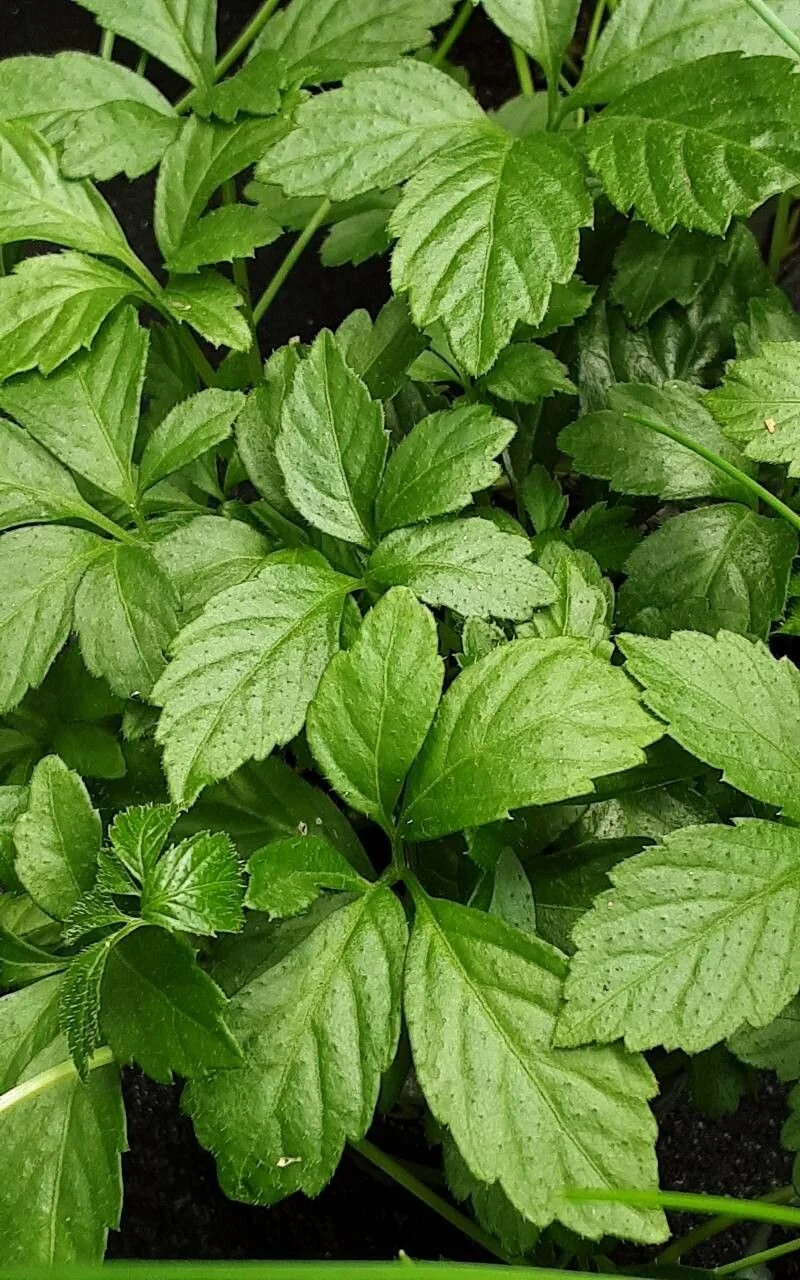
絞股藍 “Twisting indigo-blue plant”
CO2 extracted Gynostemma pentaphyllum
Gynostemma pentaphyllum is an herbaceous climbing vine of the gourd family. Its serrated leaflets grow in groups of five and it bears an inedible purple gourd. It is native to and widely distributed throughout Southern China and East Asia. Considered an “immortal herb” in China. It has several common names showing its popularity: five-leaf ginseng, poor man's ginseng, miracle grass, fairy herb, sweet tea vine, gospel herb, and southern ginseng. The earliest record of its medicinal use was in Li Shizhen’s Compendium of Materia Medica
Our CO2 extracted Jiao Gu Lan offers a fresh herbaceous aroma with a slightly bitter edge. Its color is an opaque olive green. It has a rich consistency which still drops easily out of the bottle.
Jiao Gu Lan has great therapeutic value as an unusually versatile tonic. Although it is in the Chinese medicine category of herbs that Tonify the Qi, which it does effectively to the point of being considered anti-aging, it has other properties which, when combined with that of generally nourishing and strengthening the body, make it an extremely valuable medicine. In recent times there has been a great deal of research done to discover its many therapeutic actions. Additionally, as an essential oil it affects the level of Jing Essence effectively reaching deep, chronic issues involving the constitution.
Jiao Gu Lan moistens the lungs when heat or chronic illness has injured them. It generates important body fluids which help to soften and dispel the accumulation of phlegm. It also effectively clears heat, eliminates toxins and reduces inflammation. These properties combined make Jiao Gu Lan useful in reduction ofswelling, and pain as well as resolution of tumors, nodules, cysts and ulcers of various types.
Gynostemmas’s anti inflammatory action has proven its potency in treatment of inflammatory syndromes of the gastrointestinal tract such as gastritis, gastric or duodenal ulcers, as well asthe urinary tract such as cystitis. This herb has also been shown to be a pre biotic.
As a topical application, Jiao Gu Lan’s essential oil will transmit these anti inflammatory, moisturizing and and restorative properties to benefit the skin as well. For this purpose it may be added to facial creams, oils or lotions. For example, add 5 drops of Jiao Gu Lan per 15ml of our Rose Facial oil.
Jiao Gu Lan lowers blood pressure, and cholesterol and helps to regulate blood sugar. It is widely used in Chinese medicine to treat cardiovascular diseases.
Placed neat on acupuncture points, Jiao Gu Lan’s deeply tonifying effects will be absorbed directly into the channel systems.
Jiao Gu Lan has become popular with veterinarians who have found it to be of great value in the treatment of laminitis, as well as other benefits.
Recent studies, as reported by the NIH, have shown Gynostemma’s potential as an anti cancer agent and indeed is used in Chinese herbal medicine to treat various kinds if cancer and to inhibit the spread of tumors.
A paste made with Jiao Gu Lan essential oil applied on the skin helps to lighten dark spotsand may be combined with Bai Zhi (Angelica dahurica) and Rose essential oils to enhance this effect.
Note: Middle/Base
TCM Category: Qi Tonifying
Channels entered: Lung, Heart
Major Chemical Components: Gypenoside saponins, ginsenoside
15ml bottles of essential oils are offered at a 15% discount for licensed professionals only, as found in the “select size” dropdown - see FAQ for information on how to access professional discounts.

CO2 extracted Lonicerae flos
Gold Silver Flower, honeysuckle flower
One whiff of the unique, intensely sweet floral aroma of our Honey Suckle Flower essential oil brings on a feeling of giddy innocence. The fragrance rekindles a childlike awe as if discovering the world anew with a clean slate. There is a sense of renewal, “cleaning house,” a change of perspective, an opening to possibilities.
On the tongue, a drop of this essential oil is slightly numbing, spicy, bitter and sweet. It reaches deep to the core and disperses out to the exterior to detoxify and nourish at the same time.
Jin Yin Hua means “Gold Silver Flower” and illustrates that the flowers are both tonifying (gold) and clearing (silver). The buds are silver (preferred medicinally) turning gold when the blooms fully open after a few days. Loncera japonica is an extremely vigorous vine. The Chinese name of the whole plant, Ren Dong, meaning “winter resisting,” refers to the fact that it is a perennial and resistant to cold. Best quality grows in Henan and Shandong provence.
Jin Yin Hua essential oil is a sweet and soothing yet powerful aid to clear heat and clean toxicity. It is broadly anti-inflammatory and anti-pathogenic, applicable to infections of the throat, digestive tract and skin. Its action is to draw toxins out of the body.
In Chinese medicine, this herb is famous for treatment of colds, flus and respiratory infections where there is fever, sore throat and irritability. As an essential oil blend for this purpose practitioners may find it useful to combine Jin Yin Hua with Ju Hua (Flos chysanthemi), Jing Jie (Schizonepeta) and Bo He (Peppermint).
In dermatology it is used for skin infections, sores, and accesses. It helps to clear age spots, break up fibrotic tissue and scarring and infections of the throat, digestive tract and skin. For age spots it may be beneficial to combine with Bai Zhi (Angelica Dahurica) and Rose or Jasmine diluted in a Pomegranate seed oil base.
For Digestion, Jin Yin Hua has pre-biotic activity (supports microbial flora in the gut) and is useful to resolve intestinal infections and dysentery.
This essential oil may be considered in Yang Qiao Mai treatment.
In spiritual practice and as an aid to meditation, Honey Suckle’s pure, heavenly aroma shifts the consciousness, providing an opening to the spirit.
Note: Middle/Base
TCM Category: Clear Heat and Eliminate Toxin
Channels Entered: Lung, Stomach, Large intestine
Major chemical components: Monoterpene alcohol: linalool. Esters: benzyl acetate, hexenyl acetate. Sesquiterpenes: caryophyllene, humulene. Monoterpenes: ocimene, limonene, alpha-pinene. Phenol (Phenylpropanoid): methel eugenol.
15ml bottles of essential oils are offered at a 15% discount for licensed professionals only, as found in the “select size” dropdown - see FAQ for information on how to access professional discounts.
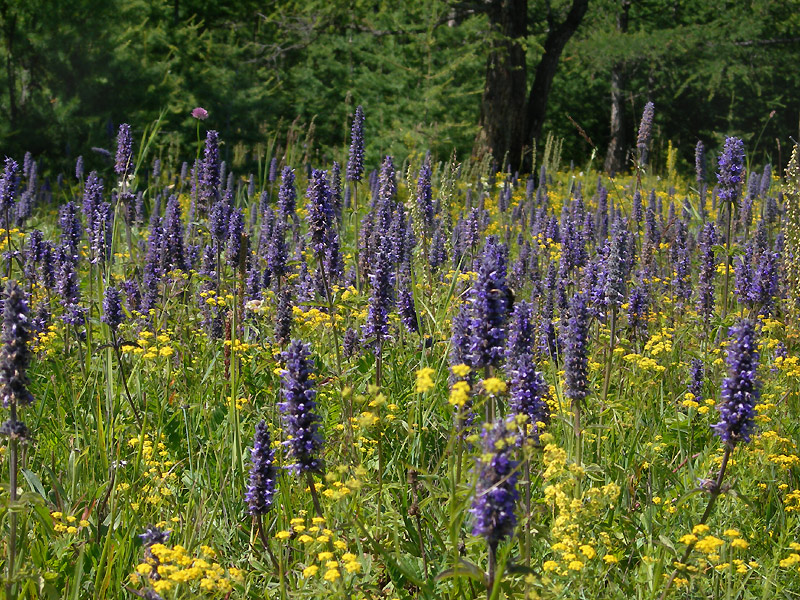
Steam distilled Schizonepetae Herba
Our Jing Jie essential oil is steam distilled at a small, old fashioned, family run distillery in the countryside near Ji'An China where Jing Jie grows close to streams. This accounts for it's particularly fresh and powerful aroma. It's distinct, peppery, herbaceous, green earth fragrance opens the nose, raises the skin hair, homes to the chest and quickens the heart. The old name for Herba schizonepetae was Jiang Jie, meaning ginger mustard, because of it's very pungent nature. In fact, this plant belongs to the mint family.
With its affinity to both Lung and Liver, Jing Jie affects both Wei and Ying levels making it's essential oil an excellent choice as an application for venting wind from the exterior as well as from the blood. It may be applied topically, diluted in a carrier oil, for rashes and itching, beginning stage measles, pruritic itchy skin eruptions, carbuncles, or furuncles and abscesses (Contraindicated in cases of fully erupted measles or open sores).
Combine with Dang Gui and Chuan Xiong Oils for itching due to blood deficiency.
Jing Jie essential oil relaxes the sinews. Topical application relieves muscle spasms caused by wind. For this purpose combine it with Bai Zhi (Angelica Dahurica) and Chuan Xiong (Ligusticum) essential oils. In the Lungs, Jing Jie relieves bronchospasm to treat wheezing and dyspnea combined with Song Zhen (White Pine), Bai Zhi (Angelica dahurica) and Zi Su Zi (Perilla seed).
It can be applied to help clear lymphatic swelling and turbid yin fluids.
Jing Jie may also be used to facilitate Divergent Meridian SDS treatment.
Note: Top to middle
TCM Category: releasing the exterior
Channels entered: Lung and Liver
Major chemical components: Monoterpene ketones: nepetalactone [20], menthone, pulegone, isomenthone, isopulegone. Monoterpene: limonene. Monoterpene alcohol: schizomedol. Monoterpene glycoside: schizonepetoside. Flavenoids. Phenolic acids.
15ml bottles of essential oils are offered at a 15% discount for licensed professionals only, as found in the “select size” dropdown - see FAQ for information on how to access professional discounts.

CO2 extracted Cassia Seed
Our Cassia seed essential oil is Co2 extracted from ripe seeds of the leguminous plant Cassia obtusifolia L. in the Northern China province of Hebei.
The aroma of Jue Ming Zi oil is rich and deep with a subtle stimulating tartness. Its earthy sweetness when inhaled immediately moves in to the nasal orifices, ascends to the eyes and grounds the body and spirit.
In Chinese Medicine Jue Ming Zi, very cooling by nature, is renowned for its strong attributes of clearing heat and calming the liver. Accordingly, as a result of its deep association to the Liver, which in Chinese medical theory opens to the eyes, it is excellent at treating a wide array of eye disorders while also introducing moisture into the system for stool movement and rebalancing of dry skin.
Jue Ming Zi essential oil can be utilized as a steam to the eyes, addressing a host of eye related issues. Used topically on dry, irritated skin or on specific acupuncture points this oil will be very beneficial for treating the entire liver channel and moisturizing from the genitals up to the eyes.
Jue Ming Zi essential oil has a fascinating and complex chemical composition. Its robust Chrysophanic acid constituent, and the inherent moisturizing nature of this oily seed, is wonderful at treating constipation. Moreover, Chrysophanic acid plays a role in reducing retinae degeneration.
Chyrsarobin, a prevalent chemical component in this oil, has been found to be useful in treating skin disorders such as psoriasis and along with the high vitamin E content of Jue Ming Zi oil this product will have topical applications for treating dry skin disorders.
Finally, the oil contains estradiol which is useful in the treatment of perimenopausal and menopausal symptoms such as hot flashes and vaginal dryness. (***cautioned for use during pregnancy***)
Note: Base
Major chemical components: Chrysophanic acid, Chrysarobin, Vitamin E, 7β estradiol, Physcion, Z-14- Nonacosane.
15ml bottles of essential oils are offered at a 15% discount for licensed professionals only, as found in the “select size” dropdown - see FAQ for information on how to access professional discounts.

CO2 extracted White Chrysanthemum Flower
The light, heady aroma of our pure steam distilled Ju Hua essential oil is a sweet floral with a clean, bitter edge. It cools and clears the head and eyes while leaving a fresh taste in the mouth.
In China, the chrysanthemum, which blooms in late autumn and early winter, represents nobility, elegance and endurance. Its praises have been sung since ancient times. The flower was said to be imbued with “the soul of the sky and earth.”
In essays and poems, writers used the terms “jade bone, icy body, pearl petal and red heart” to describe the flower. for on cold autumn days, when all other flowers were fading away, only the chrysanthemum was able to flourish in the cold winds. The combination of beauty with strong character gave the Chrysanthemum an ideal personality in the eyes of Chinese scholars and Poets.
Revered for it’s medicinal properties since the earliest medical texts, Ju Hua was categorized as a superior grade herb in the Shen Nong Ben Cao Jing which says, “Taken over a long time, it will facilitate the qi and blood, lighten the body, and prevent aging.” It was also said to treat head wind, dizziness, eyes swelling and pain, aversion to wind, damp impediment and to benefit skin and muscles.
The activity of Chrysanthemum essential oil with it’s light, cool, sweet and bitter nature both ascends and descends. These qualities along with it’s affinity to the Lung and Liver make it helpful to disperse wind heat in the lungs as well as to cool and drain Liver fire and extinguish Liver wind while supplementing the Liver yin and blood.
Practitioners may consider combining the essential oils of Ju Hua, Bo He and Chai Hu to relieve Liver Qi blockage resulting in Liver fire blazing upward causing symptoms such as blurry vision, dizziness, head ache, and red swollen eyes. and raised blood pressure.
Ju Hua benefits the eyes and is one of the most commonly used herbs in the treatment of a wide variety of eye disorders.
Ju Hua has been found to dilate the blood vessels and help to bring down elevated blood pressure. To reduce blood pressure, consider blending with Jiang Xiang (Dalbergia,).
In dermatology, Ju Hua is helpful for it’s detoxifying, heat clearing properties. Practitioners may consider applying it with Jin Yin Hua (Lonicera) and Bai Zhi (Angelica dahurica) to clear abscesses, carbuncles and ulcerations.
Note: Middle
TCM Category: Releasing the Exterior Wind Heat
Channels entered: Lung, Liver
Major chemical components: Monoterpene alcohols <30%: endo-borneol, isoborneol, alpha-terpineol. Monoterpene ketone: camphor. Ketone: chrysanthenone. Monoterpenes: alpha and beta pinene, camphene. Esters: bornyl acetate, Isobornyl acetate. Phenol: thymol.
15ml bottles of essential oils are offered at a 15% discount for licensed professionals only, as found in the “select size” dropdown - see FAQ for information on how to access professional discounts.

Steam distilled Lian Qiao
(Forsythiae Fructus, Forsythia Fruit)
Our Lian Qiao essential oil is locally sourced and distilled in Shanxi Provence where the Forsythia grows naturally and abundantly in the mountains. Its aroma has a fresh, herbaceous quality with menthol-like top notes and sharp bitter undertones. It’s effect is cleansing, at first going to the throat, dispersing outward from the chest then cooling and descending.
The forsythia fruit’s round, pointed, shape and hollow inside with chambers that are reminiscent of the Heart illustrates its affinity with the Heart and Pericardium and its effect of clearing heat from the upper burner and draining Heart fire. It is the whole fruit along with the seeds within the fruit’s shell that yield this powerful essential oil.
In traditional Chinese medicine Lian Qiao is most commonly used to treat exterior wind-heat and to eliminate toxins.
For the beginning stage with fever and exterior wind heat illnesses with fever, sore throat, headache and irritability combine Lian Qiao essential oil with Jin Yin Hua (Lonicera), Ju Hua (Chrysanthemum) and Jing Jie (Schizonepeta) oils. With higher fever where heat has entered the Pericardium channel use Zhi Zi (Gardenia Fructus) essential oil in place of Jing Jie.
Lian Qiao is also traditionally used to eliminate interior heat and toxin including that expressing as abscesses and other skin sores or lesions. For this purpose, its essential oil along with Ye Ju Hua (Wild Chrysanthemum) and Jin Yin Hua (Lonicera) may be diluted and applied topically.
Note: Middle
TCM Category: Clearing Heat and Eliminating Toxins
Channels Entered: Lung, Heart, Gallbladder
Major chemical components: Monoterpenes: pinene, sabinene, thuja, thujene, camphene, cymene, limonene, terpenene. Monoterpene ether oxide: 1-8 cineole (eucalyptol). Monoterpene alcohols: geraniol, borneol, terpineol, safrole, linalool. Triterpenes. Coumarins.
15ml bottles of essential oils are offered at a 15% discount for licensed professionals only, as found in the “select size” dropdown - see FAQ for information on how to access professional discounts.

Steam distilled Borneolum
(Dryobalanops Aromatica)
"Dragon Brain"
The enlivening, piercing, resinous and acrid aroma of this Long Nao essential oil rises to the top of the head leaving a long lasting concentrated feeling around Bai Hui (Du 20). Our organic Long Nao oil is steam distilled from the sap of dryobalanops aromatica trees growing on the distiller's land in Jiangxi China. This variety of Bing Pian is considered superior and is completely natural unlike most Borneol available on the market today which is synthetic .
Ascending, dispersing and mobilizing, Long Nao Bing Pian opens the sensory orifices and awakens the spirit. Applied topically, it may also be useful for heat, pain, swelling of the eyes, ears, nose, mouth and throat as well as for various types of hot skin sores.
Note: middle
TCM Category: aromatic substances that open the orifices
Channels entered: Heart, Liver, Lung
Major chemical components: Monoterpene alcohols: borneol, terpinen-4-ol [21], terpineol. Sesquiterpene: caryophyllene. Monoterpenes: pinene, terpinene, limonene, myrcene.
15ml bottles of essential oils are offered at a 15% discount for licensed professionals only, as found in the “select size” dropdown - see FAQ for information on how to access professional discounts.

CO2 distilled Vitex fruit
Our Man Jing Zi essential oil has a spicy citrusy earthy aroma that leaves the head and senses feeling invigorated.
Vitex is a flowering plant that is in the same family as mint and sage. The seed pods are round and black, and resemble the pupil of the eye. When growing, it is attached to the stem with a thin branch, and is reminiscent of the anatomy of an eyeball and optic nerve.
In Chinese Medicine, this herb is used to treat excess conditions of the eyes. It clear wind heat from the eyes, and used for eye pain, excessive tearing, where the eyes feel bound with heat, or headache. As an essential oil, it can be used in a steam or compress to benefit the eyes.
When applied topically, it leaves a noticeably cooling and dispersing feeling on the skin. It can also be used for pain, stiffness, and cramping in the joints much like pine and eucalyptus.
According to modern biomedical research, Vitex can be used to regulate hormone imbalances regarding the female reproductive system; it promotes progesterone and lutenizing hormone (LH) production to modulate estrogen dominance and restore hormone balance. It can be used in irregular menstruation or ovulation as well as menopause support to reduce symptoms.
Anti-microbial, anti-fungal, anti-inflammatory, analgesic
Note: Middle/Top
TCM Category: Release exterior wind heat
Channels entered: Urinary Bladder, Liver, Stomach
Major Chemical Components: Monoterpene ether oxide: 1-8 cineole (eucalyptol), Sesquiterpenes: farnesene, caryophyllene. Monoterpenes: pinene, sabinene, terpine. CM Category: Releasing Wind Heat.
15ml bottles of essential oils are offered at a 15% discount for licensed professionals only, as found in the “select size” dropdown - see FAQ for information on how to access professional discounts.

Steam distilled Mo Yao - Myrrh, Commiphora myrrha
Our steam distilled Somali Myrrh essential oil has a sharp, balsamic aroma, and a hint of musk with a piercing, spicy, bitter edge.
**Compare our two Mo Yao/ Myrrh essential oils: Although our CO2 extracted Mo Yao and the steam distilled are basically the same in medicinal properties and chemical composition, they differ in aroma and consistency. While both have the distinctive sharp balsamic aroma of Myrrh resin, there are notable differences. The aroma of the CO2 extracted Myrrh is relatively stronger yet softer, whereas the steam distilled is a bit more sharp. The consistency of the CO2 is quite thick and viscous and its color is a rich tawny amber. The steam distilled on the other hand is a thinner consistency and bright gold color.
Commiphora myrrha is native to parts of East Africa and the Middle East. Myrrh is the oleo gum resin from its sap. When a tree wound penetrates through the bark and into the sapwood, the tree bleeds a resin. Myrrh gum, like frankincense, is such a resin. The Myrrh gum is waxy and coagulates quickly acting to heal the wound and protect the tree which illustrates Myrrh’s natural medicinal properties to promote the healing of wounds.
Mo Yao invigorates the blood and dispels blood stasis, reduces swelling, alleviates pain, and promotes the generation of flesh for wound healing. Myrrh essential oil, applied topically, breaks up masses.
For the redness, swelling and pain of traumatic injuries a compress could be applied made with the essential oils of Mo Yao, Ru Xiang (Frankincense), Jin Yin Hua (Lonicera), Lian Qiao (Forsythia), Chuan Xiong (Ligusticum) and Dang Gui (Angelica sinensis) diluted in Safflower oil.
Mo Yao is also useful, topically, to invigorate the blood to resolve bruises and varicose veins.
Acute sprains of the lower back and legs may benefit from a blend of Mo Yao, Ru Xiang, Chuan Xiong (Ligusticum) and Du Huo Angelica pubescentis) using rubbing alcohol as a base to create a ligament.
Based on their ability to promote the healing of non healing skin lesions, sores and ulcerations, practitioners could consider a diluted blend of Mo Yao with Ru Xiang (Frankincense) and Bai Zhi (Angelica dahurica) to apply around the area, avoiding open skin.
Mo Yao essential oil is also said to clear Lung and Stomach heat and may be helpful in gum swellings, toothache, and oral hygiene as well as thick yellow phlegm and cough.
*Contraindicated in pregnancy or uterine bleeding.
Clinical studies and research have shown that Myrrh reduces blood cholesterol.
TCM Category: Invigorating Blood and Dispelling Stasis
Channels entered:
TCM: Heart, Liver, Spleen. As essential oil: Lung, Spleen, Stomach
Note: Base
Major Chemical Components: Sesquiterpenes: curzerene, elemene, germacrene, lindestrene, selinene. Sesquiterpenoids: furanoeudesma, eudesmol. Sesquiterpene ether: heerabolene. Aldehyde: cuminaldehyde. Phenylpropane: eugenol, eudesmol. Ester: a-elemyl acetate.
15ml bottles of essential oils are offered at a 15% discount for licensed professionals only, as found in the “select size” dropdown - see FAQ for information on how to access professional discounts.

CO2 extracted Aucklandiae Radix - 5ml
(Saussurea Root)
"Fragrant Wood, Wood Aroma"
The spicy and bitter aroma of our CO2 extracted Mu Xiang essential oil immediately sends an excited reverberation throughout the body, awakening the senses in the mouth, stimulating abundant saliva and calming the stomach. The Stomach enjoys fragrant aromas and indeed Mu Xiang oil unblocks and harmonizes the functions of the digestive organs and alleviates all kinds of digestive dysfunction and discomfort whether the causes are physical or emotional. Due to its affinity with the Triple Burner, it helps to normalize the upward and downward movement of the Qi and open the three jiao.
Ni Zhu Mo in his Ming Dynasty Ben Cao Hui Yan praised the wide scope of Mu Xiang’s Qi regulating action, "Auklandia harmonizes the stomach, frees the Heart Qi, downbears the Lung Qi, dredges the Liver Qi, quickens the spleen Qi, warms the Kidney Qi, disperses accumulated Qi, warms cold Qi, normalizes counterflow Qi, reaches exterior Qi, and frees interior Qi. In sum, it governs various Qi throughout the body."
In modern research, its effects on the smooth muscle of the intestines include both regulating peristalsis and relaxing spasm, demonstrating its regulating qi functions. The essential oil of Mu Xiang has an inhibitory effect on strep, staph, and E coli bacteria.
Note: middle and base
TCM Category: regulating Qi
Affinities: Spleen, Stomach, Large intestine, and Gall Bladder meridians.
Major Chemical Components: Sesquiterpene lactones: costunolide (woody lactone dehydrogenase) > 60%, eremanthin. Sesquiterpenes: guaiene, himachalene, caryophyllene.
Note: This essential oil has a thick consistency due to its nature and the extraction method. It has not been diluted in order to change the consistency which means that its aroma is strong and authentic. It is bottled with a non "orifice reducer" cap. To thin the oil for pouring, the bottle can be placed in warm water for a short time.
15ml bottles of essential oils are offered at a 15% discount for licensed professionals only, as found in the “select size” dropdown - see FAQ for information on how to access professional discounts.

Steam distilled Phoebe Nanmu
Southern wood
The distinctive smokey, woody, pine-like aroma of our Chinese Cedar Wood essential oil takes one on a journey from high tree top along straight strong trunk to deep in the roots of a dense forest. It’s dark, mysterious smoke quality gives this oil a special connection with the Kidney, and the origin of essence and Qi.
Phoebe nanmu is a large, slow growing evergreen tree endemic to southern China and Vietnam. It’s wood was used extensively in construction and furniture making because it is highly resistant to decay, is very dense and comes in attractive colors from olive-brown to reddish-brown. The Forbidden City was originally constructed using nanmu wood by Ming emperor Zhu Di. Nanmu (楠木)was frequently used for boat building, architectural woodworking and wood art in China. Ming Dynasty era writings indicate this wood as superior durable softwood. A recent excavation of a tomb in Lija village in Jing'an County, Jiangxi Province found 47 coffins made of nanmu wood that are reported to be about 2500 years old dating back to the Eastern Zhou Dynasty period and belongs to the Dongyi State of Xu.
Cedar wood essential oil repels decay and damage due to insects and environmental factors. It opens the Ren Mai and helps to break up yin stasis, clearing phlegm heat in the lung and damp heat in the lower jiao.
Note: Base
Affinities: Lung, Kidney, Bladder meridians.
TCM Category: Phlegm and Damp Heat Resolving.
Major Chemical Components: Sesquiterpenes: cedrene, thujospene, funebrene, caryophyllene, himachalene, cuparene, chamigrene, cuprenene. Sesquiterpene alcohols: cedrol, widdrol.
15ml bottles of essential oils are offered at a 15% discount for licensed professionals only, as found in the “select size” dropdown - see FAQ for information on how to access professional discounts.
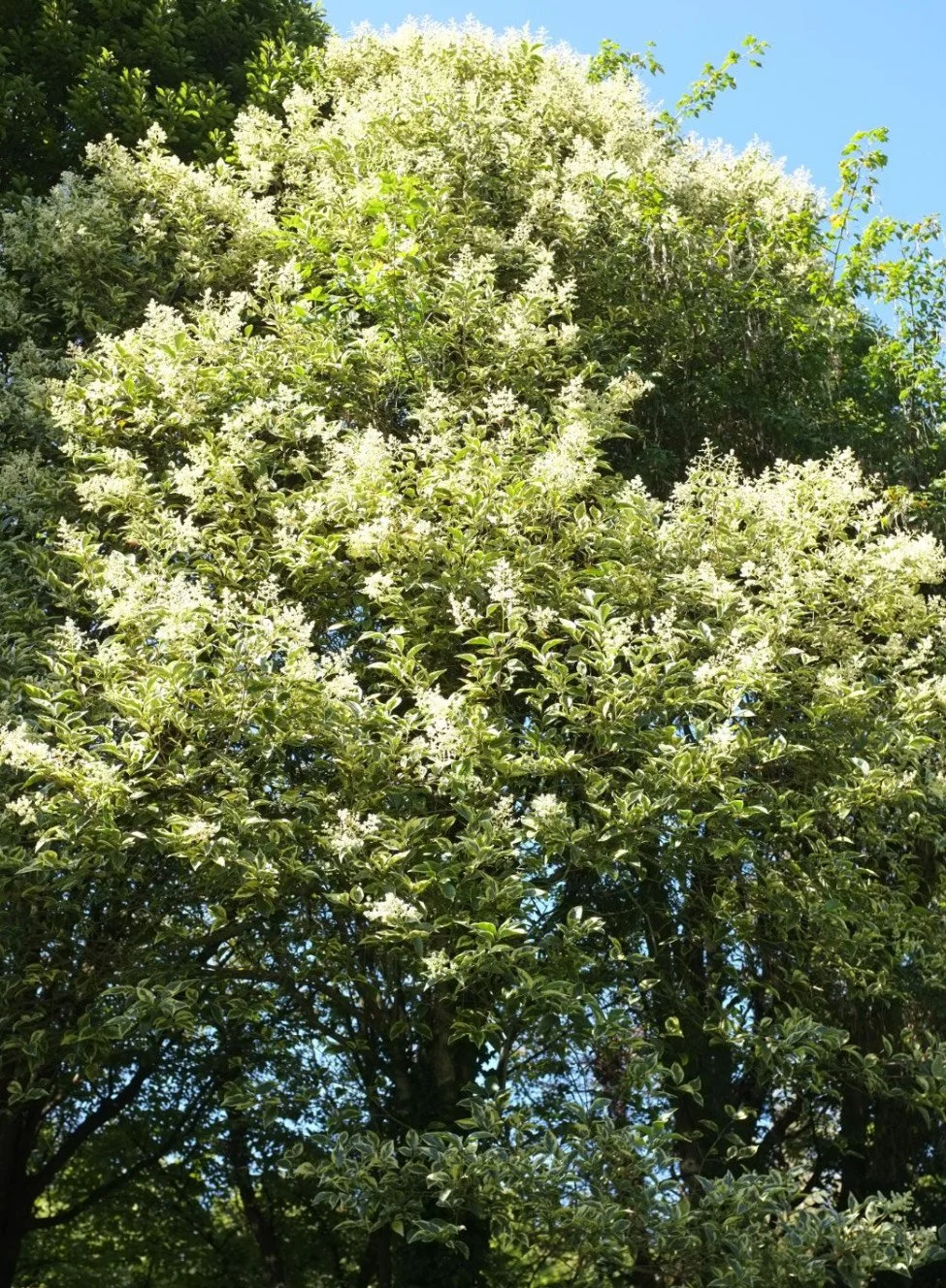
NU ZHEN ZI (“Female Chastity Seed,” Ligustrum Lucidum Fructus)
Our Nu Zhen Zi essential oil emits a fresh herbaceous, sweet aroma like new mowed grass with an earthy, slightly sharp undertone. Its effect is nourishing and moistening. It has velvety texture and a rich dark olive green color.
Naive to Southern China, Ligustrum Lucidum is a species of flowering plant in the olive family with strongly aromatic white flowers.
Its berries, used in traditional Chinese medicine, are highly prized for nourishing Kidney and Liver Yin and Jing. As such they are used in treatment of tinnitus, vertigo, premature greying of the hair, soreness of lower back and knees and general support of aging or chronic, debilitating illness.
Due to its ability to nourish the Liver Yin, Nu Zhen Zi brightens the eyes and is used in eye disorders, especially associated with dryness and deficiency. For this purpose, Nu Zhen Zi may be combined with essential oils of Gou Qi Zi and Carrot Seed.
Nu Zhen Zi is helpful for menopausal symptoms with deficiency heat such as dryness, thirst, hot flashes, night sweats, insomnia, mood swings, and steaming bone sensations. In this case practitioners may consider a blend with essential oils such as Nu Zhen Zi, Wu Wei Zi, Man Jing Zi, and Rose with the addition of Bai Zi Ren for sleep issues.
Pharmacological research has suggested that Nu Zhen Zi is anti diabetic, associated with a marked reduction of plasma glucose. In traditional medicine it is commonly used for treatment of diabetes mellitus.
Note: Base
TCM category: Yin Tonifying
Channels entered: Liver, Kidney
15ml bottles of essential oils are offered at a 15% discount for licensed professionals only, as found in the “select size” dropdown - see FAQ for information on how to access professional discounts.

佩蘭 “Wearing Orchid”
CO2 Extracted Herba Eupatorii
The aromatic pungent, sharp overtone with deep earthy undertone of our CO2 extracted Pei Lan essential oil cuts through damp impediment to clear the pathways. When deeply inhaled, its aroma rises through the cheeks as if to lift the face into a smile and then vibrates through the eyes into the brain creating a giddy, uplifted feeling. The oil is an opaque brown color with a rich yet pourable consistency.
Eupatorium fortunei is native to the open woodlands and grassy slopes of the temperate zones of central and eastern China and the tropics of southern China. It is widely cultivated in China, where its fragrant parts are used to make essential oils. The plant features clusters of small, fluffy, pink flowers that bloom in the fall.
Pei Lan is in the Chinese medicine category of aromatic, dampness dissolving herbs. As such it was a popular herb in early Daoist Shamanic practices. According to master Jeffrey Yuan’s teachings and as mentioned in The Shen Nong Ben Cao, it has the ability to remove dampness as an obstacle to clear communication with the Spirit. It was believed to enhance the intention of the practitioner. Its aroma, as direct inhalation or drops in a diffuser, are an aid to meditation.
Use Pei Lan essential oil as a topical application on acupuncture points such as LI 6, or on BL 22 and 39 to affect the Triple Burner, in order to to regulate the waterways.
Pei Lan essential oil may be utilized as a fumigation to purify the environment of microbes, to ward off diseases or old negativity and to welcome fresh new positivity. It is also used to eliminate worms and parasites, both literal and metaphorical.
Medicinally, Pei Lan regulates and harmonizes the middle burner, Stomach and Spleen by clearing dampness and turbidity that interfere with appetite and digestion. It unbinds the Stomach when damp stagnation has caused nausea, distention and pain. In this case it may be combined with essential oils of Huo Xiang (Patchouli), For Shou (Buddah’s Hand Fruit) and, if there is coldness, Rou Dou Kou (Myristica/Nutmeg). These can be blended and inhaled as aromatherapy, placed on appropriate acupuncture points or diluted in Black Cumin Seed carrier oil and applied over the abdominal area.
Note: Middle
TCM Category: Aromatic Damp Dissolving
Channels entered: Spleen, Stomach, Lung, (as essential oil also Triple Burner)
Major chemical components: sesquiterpenes: β-caryophyllene, α-phellandrene, germacrene D. Coumarin.Methyl thymol.
15ml bottles of essential oils are offered at a 15% discount for licensed professionals only, as found in the “select size” dropdown - see FAQ for information on how to access professional discounts.

PU GONG YING 蒲公英
Our CO2 extracted Pu Gong Ying essential oil has a strong and sharp, musty herbaceous aroma with a sweet, dense undertone. Its color is an opaque, dark green-brown. Upon inhalation the aroma descends sharply through the throat and deeply penetrates into the chest, where it feels to be stirring up the Qi and breaking up stagnation.
Pu Gong Ying’s main therapeutic action is to eliminate toxins and clear heat both on the surface and the interior of the body. It is well known as an herb to treat the breast, specifically to break up breast lumps and accesses. It is used for intestinal and lung accesses as well.
In dermatology, Herba Taraxaci may be applied topically for sores, lesions and ulcerations of the skin. For hot skin lesions such as fire toxins, or rashes such as exzema, Pu Gong Ying essential oil is enhanced by combining with oils of Jin Yin Hua (Lonicera), Ye Ju Hua (Chrysamthemi) and Zi Hua Di Ding (Viola) with a small percentage of Bo He (Peppermint) or Qing Pi (Tangerine peel) as a top note.
For breast lumps or abccesses, Pu Gong Ying may be combined with essential oils of E Zhu (Curcuma zedoaria), Ru Xiang (Frankincense) and Qing Pi (Green Tangerine Peel) as a compress or poultice in Castor or Calophyllum (Tamanu) oil as a base.
In case of lung abscess, practitioners may consider a compress or poultice combining essential oil of Pu Gong Ying with Yu Xing Cao (Houttuinia).
Among its major chemical components, Dandelion and its essential oil contain a bitter compound, taraxacerin, that increases the level of bile secreted by the gallbladder, helping the liver to detoxify more efficiently. It is also diuretic, aiding the liver and kidneys to flush away excess water and waste, supporting the body as it eliminates harmful toxins.
Note: Middle
TCM category: Clearing Heat and Eliminating Toxins
Channels entered: Liver, Stomach
Major Chemical Components: Sesquiterpene lactones: Taraxacerin, taraxasol, taraxicin, Triterpene sterols, esters, alkylated benzenes, alcohols, aldehydes, and ketones
15ml bottles of essential oils are offered at a 15% discount for licensed professionals only, as found in the “select size” dropdown - see FAQ for information on how to access professional discounts.

CO2 extracted Notopterygium rhizome or root
The aroma of Qiang Huo essential oil has a warm, earthy, pungent sharpness that when deeply inhaled seems to penetrate into the bones of the head, neck and shoulders.
As a topical application Qiang Huo is deeply warming and excels at releasing pain and heaviness from the sinews and joints, especially that caused or worsened by exposure to cold, damp weather.
Qiang Huo is often paired with Du Huo (Angelica pubiscentis) for generalized pain of the bones and joints as one (Qiang Huo) is said to more strongly work on the upper body and limbs, whereas the other (Du Huo) is said to work more on the lower back and limbs. This combination can be made stronger and warmer by blending with one of the Cinnamon essential oils (Rou Gui or Gui Zhi/Gui Ye). All three oils enter the bladder channel which makes them good choices to work on the back and spine.
Qiang Huo îs also an excellent choice to treat headaches that originate in the occipital region, back of the head, or neck. For this purpose, massaging the area and steam inhalation with Qiang Huo essential oil is an effective tool.
Qiang Huo essential oil’s chemical composition makes it powerfully ani-inflammatory and analgesic.
CM Category: Wind-Cold Releasing
Channels Entered: Bladder and Kidney
Note: Base
Major Chemical Components: Pinene, limonene, phenolic acid esters, feruic acid ester, coumarins
15ml bottles of essential oils are offered at a 15% discount for licensed professionals only, as found in the “select size” dropdown - see FAQ for information on how to access professional discounts.

Steam distilled Herba Artemisiae annuae
(Sweet Wormwood)
The clean, sharply bitter and sweet aroma of our steam distilled Qing Hao essential oil clears and cools the eyes, the forehead and the mind. It vibrates strongly into the blood level bringing about a refreshing feeling of renewal.
Artemisia annua has dark green fern like leaves, a yellow-green stem and intense fragrance. For optimal medicinal properties, this fast growing plant is cut before it's bright yellow flowers bloom in the spring. The best quality grows in Beijing, Chongching, Chengdu, and Suzhou.
"It's sprout appears very early so that it receives the Qi of the spring and thus it enters both the Liver and Gallbladder channels to clear heat from the blood." ..."and treats heat remaining within the bones and joints..." (Ben Cao Zheng Yi)
The use of artemisinin, a major constituent of Qing Hao, in treatment of malaria is well-established. Essential oil of Qing Hao has been shown to have powerful anti viral properties an well as expectorant, antitussive and anti asthmatic effects. (Chinese Medical Herbology and Pharmacology, Chen and Chen)
As its English name, Wormwood, implies this essential oil can eliminate worms. Consider blending with Ding Xiang (clove) and Su He Xiang (styrax) for intestinal worms or topically for ring worm.
Practitioners may consider a 10% dilution of Qing Hao essential oil in Calophyllum oil or coconut oil as a topical salve for herpes.
Note: top to middle
TCM Category: deficiency heat clearing
Channels entered: Liver, Gall Bladder, Stomach
Major Chemical Components: Sesquiterpenes <33%: caryophyllene, copaene, serinene, beta-elemene. Sesquiterpene lactone: artemisinin. Monoterpene ketone: camphor ~22%. Sesquiterpene alcohols: a-bisabolol. Monoterpene alcohol: eucalyptol, borneol.
15ml bottles of essential oils are offered at a 15% discount for licensed professionals only, as found in the “select size” dropdown - see FAQ for information on how to access professional discounts.

CO2 extracted Zanthoxyli Pericarpium
Zanthoxylum schinifolium, Green Sichuan Pepper, Prickly ash pepper tree peel, “Green Flower Pepper”
The aroma of this Qing Hua Jiao essential oil first strikes the senses as fresh green grass. Then its true peppery lemon quality opens up with a warm dispersing, clearing and drying effect. It is produced by CO2 extraction.
Although the green variety of Zanthoxyli is a bit more gentle than it’s red colored relative, it should always be used with caution due to its hot and acrid nature. Dilute to 1%. That being said, Qing Hua Jiao truly warms and tonifies the Kidney Fire at the Gate of Life and the Spleen Yang and used properly in blends, can be very beneficial.
For symptoms of Spleen Yang deficiency or cold-damp diarrhea practitioners may combine Qing Hua Jiao essential oil with oils of Cang Zhu (Atractylodis), Mu Xiang (Auklandia), Gan Jiang (Zingirberis) and Dang Shen (Codonopsis).
Qing Hua Jiao kills intestinal parasites and relieves the associated abdominal pain and vomiting.
Su He Xiang (Styrax) also eliminates intestinal parasites and these two essential oils used together could enhance this function.
For the skin, Qing Hua Jiao may be considered as an ingredient in topical applications for pruritus, genital itching or irritation and eczema. For this purpose essential oils of Qing Hua Jiao and She Chuang Zi (Cnidii) could be combined, properly diluted in a carrier oil. Qing Hua Jiao may also be included in a compress for soreness and swelling due to cold in the scrotum.
TCM Category: Warming the Interior and expelling Cold
Channels Entered: Kidney, Spleen, Stomach
Note: Top
Major Chemical Components: Monoterpenes: myrcene, limonene, phellandrene, pinene. Monoterpene ether oxide: 1-8 cineole (eucalyptol). Phenolic keytone: xanthoxylin. Furoquinaline alkaloids: skimmianine, kokusaginine. Coumarin: herniarin (methoxycoumarin).
15ml bottles of essential oils are offered at a 15% discount for licensed professionals only, as found in the “select size” dropdown - see FAQ for information on how to access professional discounts.

Steam distilled Pericarpium Citri reticulatae Viride
(Immature or green Mandarin tangerine peel)
The fresh, fruity top note of our Qing Pi essential oil first delights the senses, freeing up feelings of constraint and anger. Then its bitter and sour undertones sink deep and get to work, fiercely breaking up stagnation.
Qing Pi’s unripe green color, plus sour flavor and fragrance indicate its particular affinity to the wood element - Liver and Gallbladder. Its youthful immaturity accounts for its fierce, energetic character. Qing Pi’s classical Chinese medicine channel affinities also include the Triple Burner and Stomach where its bitterness descends counterflow.
Practitioners may consider a compress blending Qing Pi with Chai Hu or Xiang Fu essential oils for clumping and pain associated with liver Qi stasis and adding E Zhu essential oil if complicated with blood stasis as in the case of fixed, palpable breast lumps for example.
Qing Pi in combination with Mu Xiang essential oil may reinforce its stomach harmonizing action.
Note: top
Dilution: 8%
TCM category: regulating Qi
Major Chemical Components: Monoterpenes: limonene, terpinene, pinene, myrcene, cymene, sabinene, thugene. Monoterpene alcohols: linalool, terpineol, citronellol. Methyl esters. Phenol: thymol.
15ml bottles of essential oils are offered at a 15% discount for licensed professionals only, as found in the “select size” dropdown - see FAQ for information on how to access professional discounts.

New high quality pourable Ren Shen essential oil with true Ginseng aroma!
Panax ginseng Radix - White Ginseng Root
CO2 extracted Radix Ginseng
Our 100% CO2 extracted Ginseng is grown free of pesticides in Ji Lin Provence, China.
In its highly concentrated essential oil form it is thick and a rich, dark brown color. This type of ginseng has a balanced nature, which is neither too warming nor cooling. Its highly nutritious properties make it appropriate for internal ingestion with one drop as a dose.
Ginseng essential oil powerfully promotes the recovery and maintenance of physical and mental vitality. The sweet, earthy aspect of its aroma and taste attests to its blood nourishing and Qi boosting qualities while the concentrated bitter aspect reflects its focus on the Fire element’s Heart/Mind. This is in keeping with The Shen Nong Ben Cao Jing /Divine Framer’s Materia Medica Classic which distinguishes Ren Shen as a superior grade herb and says that, “It mainly supplements the five viscera, it quiets the essence spirit, settles the etherial and corporeal soul, checks fright palpitations, eliminates evil Qi, brightens the eyes, opens the heart, and and sharpens the wits.”
Ginseng benefits the Heart Qi, calms palpitations, anxiety, insomnia, restlessness and improves mental faculties and memory. It restores and revitalizes the body after severe depletion due to loss of Yin fluids, blood or chronic illness. It helps to improve the Spleen and Stomach functions of transformation and transportation of food and fluids. It strengthens Lung Qi and benefits respiration especially in the case of chronic respiratory illness.
Ren Shen boosts the Wei/Protective Qi, immune system and resistance.
Note: Base
TCM Category: Tonifying
Channels Entered: Lung and Spleen, and as an essential oil includes Heart
Major Chemical Components: Sesquiterpenes: pansinsene, farnesene, caryophyllene, elemene, neodovene, selinene, humelene, patchoulene. Sesquiterpene alcohols: spathulenol, sanatalol, eudesmol. Triterpene saponin: ginsenosides.
15ml bottles of essential oils are offered at a 15% discount for licensed professionals only, as found in the “select size” dropdown - see FAQ for information on how to access professional discounts.
We are offering archival batches of two powerful essential oil tonics at greatly discounted prices. These CO2 extracts with potent medicinal value are more dense than the newer versions of these oils that we have been fortunate to acquire. We find the new batches of these oils to be more user friendly due to their pourable consistency. The archival editions are not at all out of date, and are rich in therapeutic properties.
Panax ginseng Radix - White Ginseng Root
CO2 extracted Radix Ginseng
Our 100% CO2 extracted Ginseng is grown free of pesticides in Ji Lin Provence, China.
In its highly concentrated essential oil form it is thick and a rich, dark brown color. This type of ginseng has a balanced nature, which is neither too warming nor cooling. Its highly nutritious properties make it appropriate for internal ingestion with one drop as a dose.
Ginseng essential oil powerfully promotes the recovery and maintenance of physical and mental vitality. The sweet, earthy aspect of its aroma and taste attests to its blood nourishing and Qi boosting qualities while the concentrated bitter aspect reflects its focus on the Fire element’s Heart/Mind. This is in keeping with The Shen Nong Ben Cao Jing /Divine Framer’s Materia Medica Classic which distinguishes Ren Shen as a superior grade herb and says that, “It mainly supplements the five viscera, it quiets the essence spirit, settles the etherial and corporeal soul, checks fright palpitations, eliminates evil Qi, brightens the eyes, opens the heart, and and sharpens the wits.”
Ginseng benefits the Heart Qi, calms palpitations, anxiety, insomnia, restlessness and improves mental faculties and memory. It restores and revitalizes the body after severe depletion due to loss of Yin fluids, blood or chronic illness. It helps to improve the Spleen and Stomach functions of transformation and transportation of food and fluids. It strengthens Lung Qi and benefits respiration especially in the case of chronic respiratory illness.
Ren Shen boosts the Wei/Protective Qi, immune system and resistance.
Note: Base
TCM Category: Tonifying
Channels Entered: Lung and Spleen, and as an essential oil includes Heart
Major Chemical Components: Sesquiterpenes: pansinsene, farnesene, caryophyllene, elemene, neodovene, selinene, humelene, patchoulene. Sesquiterpene alcohols: spathulenol, sanatalol, eudesmol. Triterpene saponin: ginsenosides.
15ml bottles of essential oils are offered at a 15% discount for licensed professionals only, as found in the “select size” dropdown - see FAQ for information on how to access professional discounts.
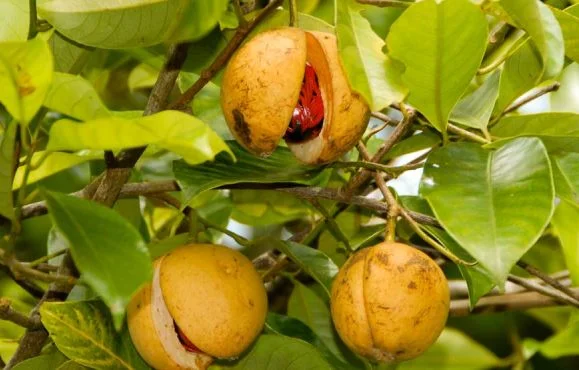
CO2 extracted Myristicae Semen, Nutmeg
The aroma of our CO2 extracted Rou Dou Kou is the concentrated, delicious, warm, natural spice of nutmeg.
Rou Dou Kou is warming for the center, tonifying for the Spleen yang and binding for the intestines. It is useful for chronic diarrhea, cold abdominal discomfort. indigestion and poor appetite.
The essential oil of Rou Dou Kou has been shown to have sedative, anesthetic and antibiotic properties.
Practitioners may consider a “tummy rub” using 1% to 6% Rou Dou Kou essential oil blended in coconut oil. (!% or 2% for children under 7 years old).
Note: Middle-Base
TCM Category: Astringent
Channels entered: Large Intestine, Spleen, Stomach
Major Chemical Components: Monoterpenes: sabinene, camphene, pinene. Phenols (phenylpropenes): myristicin, elemicin, (phenylpropanoids): eugenol, safrole. Monoterpene ether oxide: 1-8 cineole (eucalyptol). Alcohols. Esthers. Oxides.
Note: This essential oil has a thick consistency due to its nature and the extraction method. It has not been diluted in order to change the consistency which means that its aroma is strong and authentic. It is bottled with a non "orifice reducer" cap. To thin the oil for pouring, the bottle can be placed in warm water for a short time.
15ml bottles of essential oils are offered at a 15% discount for licensed professionals only, as found in the “select size” dropdown - see FAQ for information on how to access professional discounts.

CO2 extracted Cinnamomi Cortex
(Cinnamon Bark, Cinnamomum Cassia)
The delicious spicy sharp aroma of our CO2 extracted Rou Gui essential oil is deeply heating and pleasantly stimulating.
Cinnamon Bark is from the Cassia tree which grows in China's Guangdong, Guangxi and Hainan provinces. The best quality bark used for medicinal grade Rou Gui is thick, smooth and oily from the lower part of the tree indicating its energetic reach to warm the middle and lower jiao along with its action to fortify the Kidney Yang. Its purple-crimson color illustrates that it tonifies the Heart Yang and warmly unblocks the vessels.
Rou Gui essential oil may be considered in a blend with Dang Gui and Chuan Xiong oils to promote menstruation and relieve cramps when cold is a causative factor. Rou Gui oil may also be a helpful addition to blends for various types of pain due to cold obstruction. Topically, Rou Gui essential oil should be used sparingly and always with a carrier oil.
Note: base
TCM Category: warming the interior
Major Chemical Components: Phenols (Phenypropanols): cinnamaldehyde, >80%, eugenol 5-10%. Aldehydes 65-75%. Coumarin.
15ml bottles of essential oils are offered at a 15% discount for licensed professionals only, as found in the “select size” dropdown - see FAQ for information on how to access professional discounts.

CO2 extracted Egyptian Olibanum, Boswellia carterii, Frankincense
"Fragrant Breast, Fragrant Milk"
Frankincense from the French "franc encens" (ie: true, high quality incense)
Ru Xiang Essential oil has a rich, balsamic aroma whose effect is simultaneously soothing and invigorating. It gives one an overall sense of being relieved and released. It relaxes the diaphragm and deepens the breath.
Frankincense is tapped from the scraggly but hardy Boswellia trees by slashing the bark, which is called striping, and allowing the exuded resin to bleed out and harden. These hardened resins are called tears. The Boswellia carterii resin used to make this Ru Xiang essential oil is sourced from trees in Egypt and extracted by CO2 in southern China.
Frankincense has a long and fascinating history. For example it is mentioned in the Hebrew Bible book of Exodus where it is named levonah meaning "white". It was one of the ingredients in the perfume of the sanctuary. Its fragrant odor was a symbol of the Divine name and an emblem of prayer.
Ru Xiang oil's characteristic abilities to invigorate the blood, relax the sinews, smooth the movement of blood and Qi and ease pain extend beyond the physical to calm the emotions and lift the spirit.
Topically Ru Xiang essential oil may be applied to reduce swelling, relieve pain, and enhance the healing of wounds, ulcers and scars. According to Li Shi Zhen's Ben Cao Gang Mu, Ru Xiang, "eliminates the toxicity of sores and deep-seated toxic boils, supporting the interior and protecting the Heart."
Frankincense essential oil is strongly anti-oxidant and may be used as a fixative to prevent rancidity.
Note: base
TCM Category: regulating blood
Channels entered: Heart, Liver, Spleen
Major Chemical Components: Triterpenic acids: boswellic acids, 11 keto-B-boswellic acid. Monoterpenes: pinene, dipentene, camphene, a-thujene, limonene, sabinene, myrcene, phellandrene, cadinene. Sesquiterpenes: caryophyllene, caryophyllene oxide, cadinene. Sesquiterpenic alcohols: muurolol, cadinol, cubelol. Monoterpene alcohol: terpinen-4-ol. Monoterpene ether oxide: 1-8 cineole (eucalyptol).
**Compare our two Ru Xiang - Boswellia Carterii essential oils: Although their medicinal properties are similar and both have the traditional rich balsamic-sweet aroma of Frankincense resin, there are notable differences. The steam-distilled Somali Frankincense is brighter and more heady with a sharp, floral spice, and its consistency is thinner and lighter. Our CO2 extracted Egyptian Frankincense is richer, sweeter and deeper with a thick consistency and deep amber color.
Note: This essential oil has a thick consistency due to its nature and the extraction method. It has not been diluted in order to change the consistency which means that its aroma is strong and authentic. It is bottled with a non "orifice reducer" cap. To thin the oil for pouring, the bottle can be placed in warm water for a short time.
15ml bottles of essential oils are offered at a 15% discount for licensed professionals only, as found in the “select size” dropdown - see FAQ for information on how to access professional discounts.

Steam distilled Somali Olibanum, Boswellia carterii, Frankincense
"Fragrant Breast, Fragrant Milk"
The heavenly aroma of our Steam distilled, Somali Frankincense essential oil has a bright, heady, balsamic sweetness with a light, sharp, floral spice. The consistency and color are thin and light.
This exquisite, Frankincense essential oil starts with wildcrafted, specifically sourced, fair trade and sustainably harvested oleo gum resin from Boswellia carterii trees growing in the Puntland region of northeast Somalia, East Africa. The resin is then hydro-distilled in small batches at an artisan distillery in the US. The importer was once a member of the tribes that harvested wild grown Frankincense resins in Puntland before moving to the US.
There are several species and varieties of Frankincense trees each producing a slightly different type of resin and essential oil. Differences in soil and climate create even more diversity of the resin, even within the same species.
The Frankincense resin is tapped from the Boswellia trees by slashing the bark (which is called striping) and allowing the resin to bleed out and harden. The resin then forms what is referred to as “tears”. The tears are the blood of the Frankincense tree. The ancients refer to these tears as crystallized drops of sunlight.
Frankincense trees grow in regions of the world that are extremely dry and experience intense sunlight. Considered a sacred substance among many ancient and modern cultures, frankincense is a representation of light in an energetic sense. The diffused essential oil may be used as an alternative to the traditional burning of the resin (“smudging”) in sacred ceremonies and meditation for its protective, purifying, and grounding effects.
Ru Xiang’s powerful abilities to invigorate the blood, relax the sinews, smooth the movement of blood and Qi and ease pain extend beyond the physical to calm the emotions and lift the spirit.
Ru Xiang essential oil is healing for the skin. It promotes the regeneration of healthy cells and maintains the health of existing cells and tissues. As such It is beneficial for wound healing, scarring, boils and acne as well as to assist stretch marks to fade. It is naturally antiseptic.
Note: base
TCM Category: regulating blood
Channels entered: Heart, Liver, Spleen
Major Chemical Components: Triterpenic acids: boswellic acids, 11 keto-B-boswellic acid. Monoterpenes: pinene, dipentene, camphene, a-thujene, limonene, sabinene, myrcene, phellandrene, cadinene. Sesquiterpenes: caryophyllene, caryophyllene oxide, cadinene. Sesquiterpenic alcohols: muurolol, cadinol, cubelol. Monoterpene alcohol: terpinen-4-ol. Monoterpene ether oxide: 1-8 cineole (eucalyptol).
**Compare our two Ru Xiang - Boswellia Carterii essential oils: Although their medicinal properties are similar and both have the traditional rich balsamic-sweet aroma of Frankincense resin, there are notable differences. The steam-distilled Somali Frankincense is brighter and more heady with a sharp, floral spice, and its consistency is thinner and lighter. Our CO2 extracted Egyptian Frankincense is richer, sweeter and deeper with a thick consistency and deep amber color.
15ml bottles of essential oils are offered at a 15% discount for licensed professionals only, as found in the “select size” dropdown - see FAQ for information on how to access professional discounts.

Steam distilled Santalum album
(Northwest Australia - sustainably grown)
Indian Sandalwood essential oil has an exotic aroma that is sweet, creamy and smooth, with warm spice tones. The wood is steam distilled to produce this oil.
Santalum album is a tropical evergreen native to south and southeast Asia and has been utilized for medicinal and religious purposes for centuries; this species of Sandalwood is also traditionally used in Chinese Medicine.
The flowers produced by this tree are initially white in juvenile trees, and over time will start producing red flowers in mature trees; the bark of young trees appears to be dark (almost black) and smooth and will transform into a reddish and cracked appearance with age. Black is the color of the Water element and is associated with the Kidneys; the Kidneys store pre-natal essence and thus our ancestral energy. White is the color of the Metal element and is associated with the Lungs; the Lungs house the “Po”, or Corporeal Soul, which is embodied during conception. Over time, both the flowers and bark become red; red is the color of the Heart, the Imperial Fire, and houses the Shen and consciousness. The maturation of this tree symbolizes the transition from ancestral and instinctual characteristics to a more deeply conscious and complex state of existence. It is estimated that sandalwood trees start to enter their mature states and appearance after 7 years, and start producing its distinguishable aroma after 10 years. In Chinese Medicine philosophy, humans have benchmarks in growth and maturation in 7 year (in females) and 8 year (in males) cycles, and 10 years represents renewal; and most interestingly, this tree appears to follow a similar pattern. Perhaps this similarity is an explanation to the innate connection between humans and this revered evergreen.
Australian Sandalwood represents an ecologically responsible alternative to mitigate former overproduction of this endangered tree and subsequent environmental degradation . The growers/distillers of this Sandalwood are committed to a sustainable sandalwood culture, employing practices and techniques to support mixed-age plantations with both new and old growth trees, while protecting and supporting the native wildlife and biodiversity of Australia. No pesticides are ever used in the production of Sandalwood in Australia.
Sandalwood frees the Qi and relieves stagnation in the chest and abdomen. It eases pain, deepens the breath and calms the spirit.
To release the chest and ease diaphragmatic, epigastric, and abdominal constriction and pain, blend Tan Xiang with the following essential oils as a 4-6% dilution in black cumin seed oil:
Qing Pi (Green Tangerine Peel) or Zhi Ke (Citrus aurantium);
Hou Po (Magnolia Bark)
Mu Xiang (Saussurea) or Xiang Fu (Cyperus)
Note: Base
TCM Category: Regulating Qi
Channels Entered: Lung, Heart, Stomach, Spleen
Major Chemical Components : Sesquiterpinoids, sequiterpenic alcohols (> 90%): santalol*, lanceol, nuciferol, bisalobol, farnesol, bergamotol, bisabolol, nerloidol, curcumene, bisabolene, santalene, sinensal.
* Our Santalum album essential oil contains 75% combined santalol
**Compare our two Sandalwood - Tan Xiang essential oils: Although their medicinal properties are similar, these two Sandalwood oils differ in aroma. Santalum album presents with a warmer, deeper or full-bodied aroma that can add a more grounding feeling, while the aroma of Santalum lanceolatum is more bright and spicy, effortlessly relieving physical and emotional constraint. Chemically, Santalum album contains a much higher percentage of santalol compared to Santalum lanceolatum, where the major components are lanceol, nuciferol, and farnesol.
15ml bottles of essential oils are offered at a 15% discount for licensed professionals only, as found in the “select size” dropdown - see FAQ for information on how to access professional discounts.
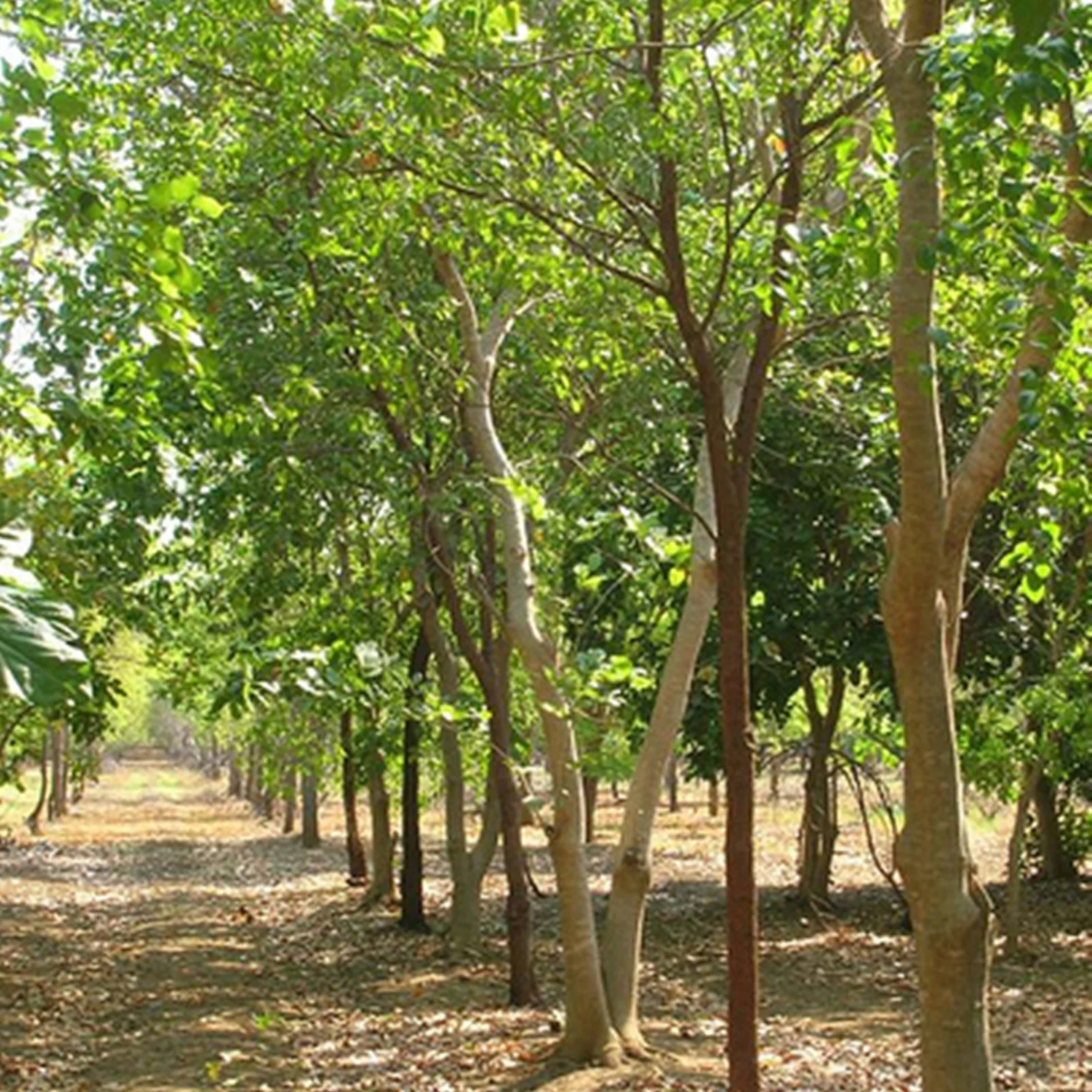
Steam distilled Santalum lanceolatum
(Australian Sandalwood, Northern Queensland Sandalwood, Desert Quandong)
Northern Queensland Sandalwood essential oil has a smooth, fragrant, earthy, woody aroma with a soft gentle hint of honey and spice and floral, rose and orange notes. The wood is steam distilled to produce this oil.
Santalum lanceolatum is an Australian tree of the family Santalaceae. It is commonly known as Desert Quandong, Northern Sandalwood,
Sandalwood or True Sandalwood. The flowers are green, white, and
cream; appearing between January and October in Australia.
Australian Sandalwood represents an ecologically responsible alternative to traditional Indian Sandalwood. The growers and distillers of this Sandalwood are committed to a sustainable sandalwood culture
Their Original Australian Santalum Sandalwood is sustainably sourced from Native Freehold Lands, within the red earth regions of Australia. All Sandalwood is harvested under a Protected Plant Harvesting License (PPHL) issued by the Department of Environment and Heritage Protection. Reforestation is a key component within Australia and abroad.
Sandalwood frees the Qi and relieves stagnation in the chest and
abdomen. It eases pain, deepens the breath and calms the spirit.
To release the chest and ease diaphragmatic, epigastric, and abdominal constriction and pain, blend Tan Xiang with the following essential oils as a 4-6% dilution in black cumin seed oil:
Qing Pi (Green Tangerine Peel) or Zhi Ke (Citrus aurantium);
Hou Po (Magnolia Bark)
Mu Xiang (Saussurea) or Xiang Fu (Cyperus)
Note: Base
TCM Category: Regulating Qi
Channels Entered: Lung, Heart, Stomach, Spleen
Major Chemical Constituents: alpha-santalol, lanceol, nuciferol, cis-beta- curcamen-12ol, epi-alpha- bisalobol, trans-farnesol, cis-beta- santalol, trans-alpha- bergamotol. Santalol is known to release endorphins into the brain and stimulate the pineal gland, releasing tension by calming the mind and deepening the breath. Farnesol is known as an anti-microbial and bacteriostat.
**Compare our two Sandalwood - Tan Xiang essential oils. Although their medicinal properties are similar, these two Sandalwood oils differ in aroma. Santalum album presents with a warmer, deeper or full-bodied aroma that can add a more grounding feeling, while the aroma of Santalum lanceolatum is more bright and spicy, effortlessly relieving physical and emotional constraint. Chemically, Santalum album contains a much higher percentage of santalol compared to Santalum lanceolatum, where the major components are lanceol, nuciferol, and farnesol.
15ml bottles of essential oils are offered at a 15% discount for licensed professionals only, as found in the “select size” dropdown - see FAQ for information on how to access professional discounts.

Organic, steam distilled Acori tatarinowii Rhizoma
Acorus, Grass-leaf sweet-flag
“Stone flourishing reed”
Shi Chang Pu’s aroma is bright and sharp with a clean, bitter lemon-
like scent. It’s effect rises into the brain bringing a heady expansion
which sharpens and focuses the mind and the senses. This essential
oil os produced by CO2 extraction.
According to Shen Nong Ben Cao Jing (Divine Framer’s Materia Medica) Shi Chang Pu is classified as a “superior grade” herb. The text says, “It mainly treats cold damp impediment and cough and counterflow qi ascent. It opens the heart portals, supplements the five viscera, frees the nine orifices, brightens the eyes and sharpens the hearing. Protracted taking may make the body light, improve memory, prevent confusion, and prolong life. It’s other name is Chang Yang (flourishing Yang).”
It’s main actions in more modern times, to open the sensory orifices, revive consciousness, pacify the spirit and harmonize the Middle Jiao are attributed to its ability to vaporize phlegm, transform dampness and remove turbidity.
Shi Chang Pu is said to improve sensory and cognitive functions to
treat forgetfulness, tinnitus, deafness, dizziness and dulled sensorium
as well as seizures, stupor, muted consciousness, aphasia and
delirium. Diffusing and inhaling is the method recommended for this
purpose as aroma affects the brain and spirit very directly and internal
ingestion of Acorus essential oil with it’s *asarone component is
controversial. See below). For emergency situations, direct application
of Shi Chang Pu to Jing Well points might also prove helpful.
To benefit the eyes for ulcerations of the cornea, essential oils of Shi
Chang Pu, Ju Hua (Chrysanthemi flos), and Hu Po (Amber) have been
recommended, diluted and applied to appropriate acupuncture points.
TCM Category: Opening orifices
Channels entered: Heart, Stomach
Note: Base
Major Chemical Components: Phenols (Phenylpropanoids): β-asarone ~60%-80%, α-asarone ~3-14%, eugenol, elemicin [27], eusarone, sekishone. Sesquiterpenes: caryophyllene, humulene. Aldehyde: asarylaldehyde.
*NOTE - Asarone is controversial. Although it accounts for much of this herb’s, mental and neurological benefits it is also thought to have
carcinogenic properties when taken internally in large, sustained doses.
15ml bottles of essential oils are offered at a 15% discount for licensed professionals only, as found in the “select size” dropdown - see FAQ for information on how to access professional discounts.
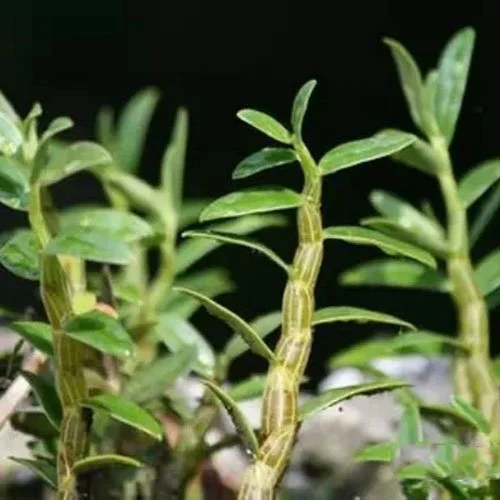
Dendrobium Stone-bushel Stem
Native to Southern China, Dendobium is found largely in mountain rainforests and lowlands and tends to grow on limestone moss covered outcroppings. Dendrobium is a genus of orchids in the Orchidaceae family. The genus name comes from the Greek words dendron, meaning "tree", and bios, meaning "life". Our Shi Hu essential oil is extracted from the Dendrobium Stone-bushel stem, and although very mild aromatically, what it lacks in fragrance it makes up for in utility, application and healing potential.
In the Shen Nong Ben Cao (Divine Farmer’s Classic of Materia Medica) Shi Hu is given the status of an upper grade herb. It is said that Daoist Chinese monks would traditionally drink Shi Hu tea as a means of promoting and nurturing Jing and longevity and fostering stamina and immunity. Shi Hu with its cool, slightly sweet nature and its affinity for the Stomach and Kidney has a wide array of uses and benefits and is most renowned for its ability to generate fluids and to nourish Yin. Accordingly, it can be used quite effectively in addressing cases of severe thirst, parched, dry mouth and throat and fevers causing depletion and injury to the fluids. In addition to its benefits of clearing heat, generating fluids and addressing stomach ache and abdominal discomfort, Shi Hu is wonderful at nourishing Kidneys and Jing (essence) and thus can be used to address discomfort, soreness and weakness in the knees, tendons and lower back.
Dermatologically, Dendrobium stem can be quite beneficial in aiding those dealing with constant dry and rough skin.
TCM Category: Yin Tonifying Herbs
Channels Entered: Stomach, Kidneys
Major Chemical Components: bibenzyls, phenols, phenylpropanoids, linans,dendramine, dendroxine, dendrine.

(Cnidium Fruit)
"Snake's Bed Seed"
She Chuang Zi essential oil's aroma of warm peaty earth, salty sweat, and bitter antiseptic overtones, vibrates at the bridge of the nose and eyes, warms in the lower abdomen and stimulates the genital region. The translation of She Chuang Zi, "Snake's Bed Seeds," refers to the observation that snakes often hibernate under the plant and eat its seeds which symbolically illustrates its benefits to sexual and reproductive function by fortifying the Kidney yang.
Traditionally, She Chuang Zi is categorized as a topical application herb. The CO2 extracted essential oil adapts well to topical treatment for external indications such as weeping, itchy skin lesions, parasites, scabies, ringworm, tinea, trichomonas, fungal infections, chronic eczema, rashes or swelling and pain of the groin and genital region and hemorrhoids. Dilute in a gentle carrier oil from 2% to 4% for topical application, especially on sensitive areas. Test first on a small area for sensitivity.
Combine She Chuang Zi oil with Wu Wei Zi or Rou Gui essential oils for Kidney yang deficiency with wind, damp and cold leading to low back pain, leg and knee pain, infertility or impotence.
Note: base
TCM category: substances for topical application
Major Chemical Components: Coumarin: osthole. Monoterpenes: limonene, pinene. Sesquiterpenes: farnesene, himachalene. Monoterpene ester: bornyl acetate.
**SHE CHUANG ZI IS SUN SENSITIVE AND SHOULD NEVER BE APPLIED TO SUN EXPOSED SKIN. DILUTE 2% to 4% IN A GENTLE CARRIER OIL FOR TOPICAL APPLICATION.**
Osthole has been used in treatments for inflamation, osteoperosis and tumors for many years. It has been the subject of numerous recent research studies that have found that Osthole: Inhibits alcohol or fat induced fatty liver disease, is a good candidate in treatment of Liver cancer because of its unique chemical structure, suppresses inflammatory responses, is as effective as 17 beta-estradiol to suppress bone loss and benefit those with osteoporosis, lowers blood pressure, inhibits platelet aggregation and inhibits smooth muscle contraction.
15ml bottles of essential oils are offered at a 15% discount for licensed professionals only, as found in the “select size” dropdown - see FAQ for information on how to access professional discounts.

Absolute of Ye Ju Hua “Shen Nong Ju” - Dendranthema indicum Flos 5ml
Wild chrysanthemum flower
Thre are many varieties of wild chrysanthemum. This variety, called Shen Nong Ju, is named after the Divine Farmer of the Shen Nong Ben Cao Jing. It grows wild in the Shen Nong Jia Nature Preserve, a Unesco World Heritage site.
The floral aroma of Ye Ju Hua absolute is imbued with a cleansing, bitter power. Along with its menthol-like spice, it opens the nose, cools the throat and vibrates on the skin. It's feisty spirit cuts through confusion and doubt.
White Chrysamthemum's "wild" cousin is compared and described in the Ben Cao Zheng Yi, " In addition to the other types of Chrysanthemum, Chrysanthemi indici Flos (Ye Ju Hua) grows in most places, the flowers and leaves of which are little, the stamens small and bean-like. The color is definitely yellow and it's actions are fierce and violent, with a particularly bitter flavor, it's leaves are slender and tough. It can be used in external medicine as a topical application."
Our Ye Ju Hua Absolute is extracted at a beautiful and well established perfumery/distillery in Guilin, from best quality wild Chrysanthemum flowers, free of pesticides.
Practitioners may find Ye Ju Hua absolute to be useful diluted and blended in coconut oil as a salve to soothe and clear heat on the skin.
In classical Chinese Medicine Ophthalmology, Ye Ju Hua is used to address latency in certain eye conditions
TCM Category: Heat-Clearing and Toxin-Eliminating
Major Chemical Components: Monoterpene alcohols: borneol, terpineol. Monoterpene ether oxide: 1-8 cineole (eucalyptol). Sesquiterpenes: zingeberene, caryophyllene. Sesquiterpne alcohol: bisabolol. Ester: bornyl acetate. Monoterpene ketones: camphor (~6%), thujone (~3%).
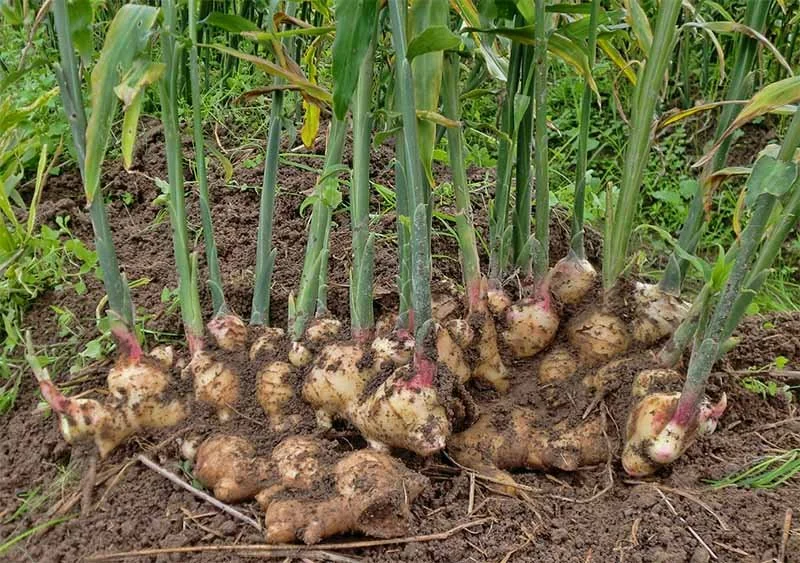
CO2 extracted Fresh Zingiberis Rhizoma
Fresh Ginger Root
This essential oil is CO2 extracted from the fresh root of Zingiberis Rhizoma. Our fresh ginger root essential oil emits a lively, fresh, pungent aroma, which stimulates and clears the senses, breaking through congestion and settling the stomach.
In Chinese herbal medicine Sheng Jiang/fresh and Gan Jiang/dried baked ginger roots are used for different purposes (compare with our Gan Jiang essential oil). The fresh root expels cold from the surface and warms the Lungs, whereas, the dried is used to warm the interior of the body and the Yang Qi.
Our fresh ginger root essential oil emits a lively, fresh, pungent aroma, which stimulates and clears the senses, breaking through congestion and settling the stomach.
One drop added to a cup of hot honey water warms the surface and stops chills at the onset of a common cold, or may be taken to quell nausea.
A small percentage of Sheng Jiang in blends to treat wintertime colds or flus will help warm the Lungs, and open the surface to expel the pathogenic factor. In this way, it clears up congestion and stops coughing. For this purpose Sheng Jiang may be blended with other essential oils such as Gui Zhi/Gui Ye (Cinnamon Twig and Leaf) and Jing Jie (Schizonepeta).
Fresh Ginger essential oil is also an essential addition to blends when an exterior condition or food poisoning has affected the digestion causing nausea and diarrhea.
For food poisoning or digestive flu-like conditions, combine Sheng Jiang with Zi Su Ye (Perilla Leaf essential oil).
Note: middle
TCM category: Wind-Cold Releasing
Channels entered: Lung, Spleen, Stomach
Major Chemical Components: Zingberol, zingiberene, phellandrene, camphene, citron, linalool, methyheptenone, nonyladehyde, d-borneol, geraneol, β-sesquiphellandrene, arcurcumene, nerolidol, sesquphellandrol, gingerol, methylgingerol, gingerdiones
15ml bottles of essential oils are offered at a 15% discount for licensed professionals only, as found in the “select size” dropdown - see FAQ for information on how to access professional discounts.

Steam distilled organic White Pine Needle
Our Song Zhen Essential oil with its true and fresh pine resin aroma is steam distilled from pine needles. Song Jie or pine node is the part of the tree more commonly referred to in traditional Chinese materia medicas. Pine needle essential oil, when applied topically, shares the nodes traditional benefit to ease painful Bi syndromes. As aroma therapy, especially when diffused, the needle brings the added benefit of its Lung /Kidney affinity, helping to descend the Lung Qi to the Kidneys. The bitter quality of its aroma descends and anchors while its sharpness clears the respiratory passages.
Practitioners may consider creating a liniment of Pine together with Du Huo and Dang Gui essential oils for fixed, deep pain in the joints or combining Pine with Ru Xiang and Jiang Xiang for pain from traumatic injuries.
Pine is considered to have disinfectant properties and may be diffused as an aid for upper respiratory infections.
TCM category: Dispelling wind damp and relieving pain
Note: middle
Dilution: 8% to 10%
Major Chemical Components: Monoterpines: pinene, camphene, phellandrene, limonene, myrcene, ocimene. Monoterpene ether oxide: 1-8 cineole. Monoterpene alcohol: terpineol. Sesquiterpenes: germacrene, caryophyllene, cadinene.
15ml bottles of essential oils are offered at a 15% discount for licensed professionals only, as found in the “select size” dropdown - see FAQ for information on how to access professional discounts.

CO2 extracted Zizyphus seed, spiny date seed
The rich, complex aroma of San Zao Ren is sour, musty and smoky, embodying Five Element correspondences to the Liver, Spleen, Heart and Kidney. When inhaled deeply its effect rises to the temples and into the brain where it brings about a sedating, almost hypnotic quietness.
Ziziphus spinosa is a unique, small fruit tree which grows wild on plains, sunny hillsides, cliffs and bare hills in Northern China. It is a hardy, heat, drought and cold tolerant plant and can grow in nutrient-poor soils. Its fruit is rich in nutrients and mineral elements, such as calcium, phosphorus, and zinc. Its fruit, seeds, roots and even bark are used as medicine.
Suan Zao Ren’s main action is to calm the spirit. A disturbed spirit may manifest with emotional or mental symptoms including insomnia, difficulty falling or staying asleep, dream disturbed sleep, irritability, anxiety, depression, excessive worry, and forgetfulness.
The literal translation of Suan Zao Ren means “sour date seed”. This sour quality is what accounts for its consolidating, nourishing benefits for the blood and yin which, when insufficient, may be the cause of a disturbed spirit as well as physical symptoms such as fatigue, sweating, palpitations, dizziness, etc.
For problems with sleep, Suan Zao Ren may be used alone or combined with other essential oils such as Bai Zi Ren (Biota Seed) Xie Cao (Valerian) or Wu Wei Zi (Schizandra).
Note: base
TCM Category: nourishing herbs that calm the spirit
Channels Entered: Heart, Liver
15ml bottles of essential oils are offered at a 15% discount for licensed professionals only, as found in the “select size” dropdown - see FAQ for information on how to access professional discounts.

CO2 extracted Liquidambar orientalis Styrax
(Resin of Rose Maloes, Oriental Sweetgum)
"Revive and Join Fragrance"
Su He Xiang's intense, long lasting fragrance is complex, penetrating and heady; resinous, with balsamic, leathery sweetness and sharp, terpenic notes. It vibrates and awakens all of the upper orifices (sense organs) and concentrates in the forehead. Our Su He Xiang essential oil is CO2 extracted from the resin of the bark of the Liqiudamber Orientalis, a deciduous tree native to the eastern Mediterranean region. The penetrating and warm qualities of Su He Xiang strongly clear away turbidity and phlegm.
The classic text, Ben Jing Feng Yuan, describes it this way: Su He Xiang "is created by the accumulation of the Qi of various fragrances; it ventilates every yin organ and orifice and clears away every type of abnormal Qi. Whenever phlegm accumulates and Qi collapses, this must first be used to open and guide." And, "For the miasmic damp Qi of mountain mists which invades the channels and collaterals causing intermittent cramps and spasms, Styrax is imperative."
As an aid to revive consciousness and awaken the spirit in the in the case of coma, wind stroke or phlegm collapse, and for childhood convulsions or seizures, Su He Xiang oil can be applied directly to acupoints such as jing well points, using one drop for several points.
Pharmacological research has shown that the essential oil of Su He Xiang has strong anti-fungal properties.
Note: middle
TCM Category: aromatic substances that open the orifices
Major Chemical Components: Phenols: 3-phenylpropanol, 3-phenylpropyl cinnamate. Ester: cinnamyl cinnamate. Aldehyde: cinnamyl aldehyde. Monoterpene: pinene. Sesquiterpene: caryophyllene.
15ml bottles of essential oils are offered at a 15% discount for licensed professionals only, as found in the “select size” dropdown - see FAQ for information on how to access professional discounts.
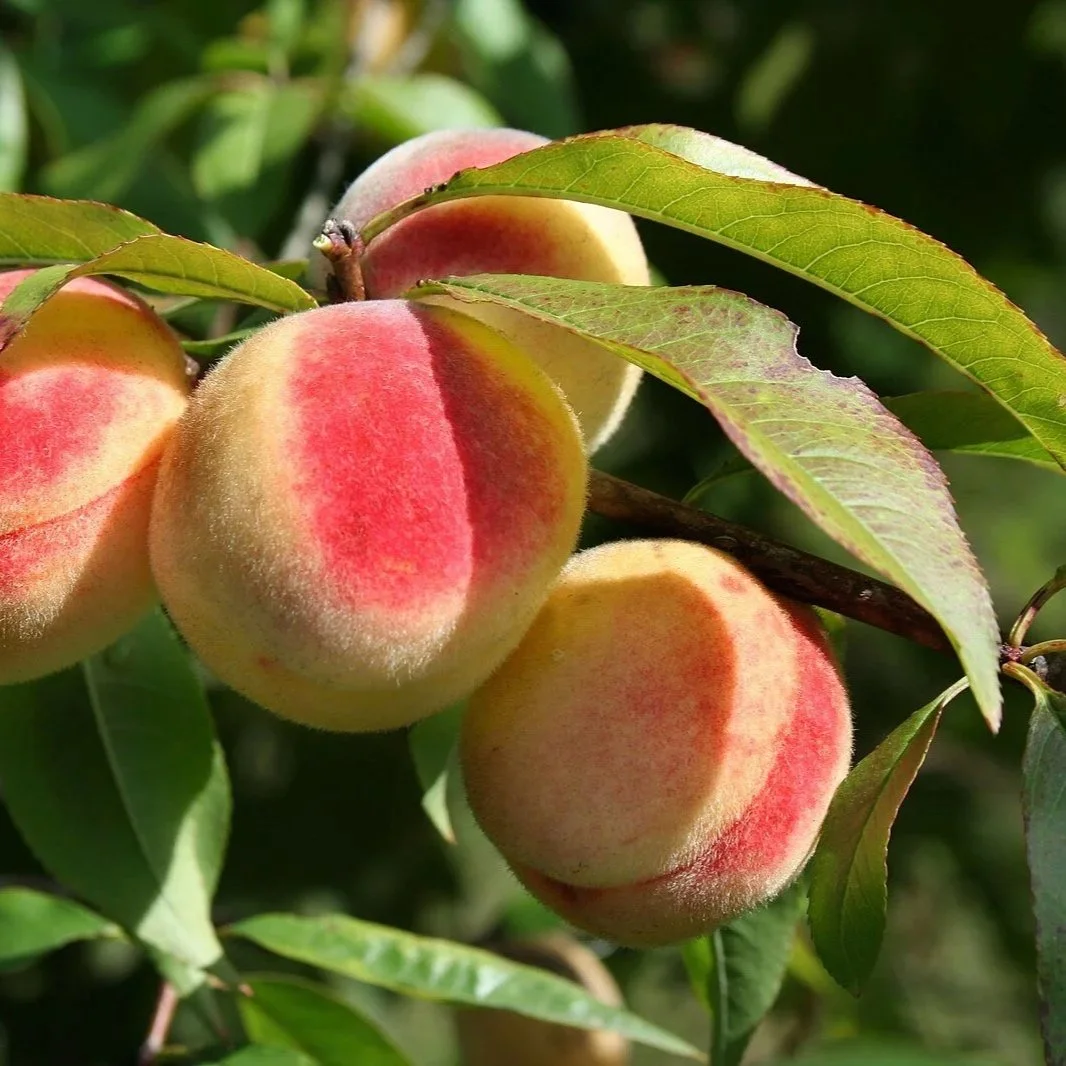
TAO REN 桃仁 “Peach Pit”
CO2 extracted Persicae Semen, Prunus persica
Tao Ren is sourced from the mature seeds of peach trees native to the temperate regions of North and East China. Peach trees require full sun and well-drained soil with a certain number of cold days for good growth and fruiting. For medicinal preparation, the ripe fruits are harvested, the flesh is removed, the stone/pit is cracked, the seed is removed, and it is sun-dried. In Chinese tradition, the peach tree and peach wood carry one of the richest mythological, spiritual, and protective symbolisms of any plant. Their meaning spans Daoism, folk religion, medicine, and cosmology. The peach embodies spiritual protection, life-force that overcomes decay, and access to the realm of the immortals. Tao Ren, used in Chinese medicine to move blood and break stagnation, carries the same symbolic message in aromatherapy: To release what is stuck so life can move forward, deep renewal, breaking emotional repression, freeing circulation after long stress or trauma, clearing old patterns held in the body and re-initiating movement where there has been long inertia.
The aroma of our CO2 extracted Tao Ren essential oil is strong and sharp, eliciting a prickly sensation, with tones of almond and musk. It is light yellow in color and has a smooth, pourable consistency.
Tao Ren activates blood circulation and removes blood stasis. It can be used alone or in blends applied topically to resolve pain caused by external or internal stagnant blood. It is traditionally often paired with Hong Hua (Flos Carthami) in herbal formulas and likewise in essential oil blends.
Tao Ren is famous for the treatment of a broad range of Gynecological disorders due to its potent function to activate blood circulation and break up blood stasis. For example, in the case of postpartum abdominal pain with excessive uterine bleeding, Tao Ren is an important ingredient in the exemplar formula Sheng Hua Tang which, prepared as an essential oil blend, can be applied over the lower abdomen. Other ingredients in this blend include: Dang Gui (Angelica sinensis), Chuan Xiong (Ligusticum), Gan Jiang (Ginger), and Gan Cao (LIcorice). To address menstrual pain, amenorrhea or irregular periods a blend of the following essential oils may be applied: Tao Ren, Hong Hua (Flos Carthami), Dang Gui (Angelica sinensis), and Chuan Xiong (Ligusitcum). Safflower oil is recommended as the carrier oil in these blends or Castor oil if a warm compress is preferred.
Equally as effectively, Tao Ren and Hong Hua essential oils enter and invigorate the channels and collaterals to ease the pain and symptoms of external and sports injuries. To further enhance a blend for this purpose, add essential oils of Ru Xiang (Boswellia sacra), Mo Yao (myrrh) and Feng Xiang (Liqidamber formosans). If there is swelling add Yi Yi Ren (Coix), or Fu Ling (Poria).
Another tropical application for Tao Ren essential oil is for the treatment of skin sores and abscesses. For this purpose, blending Tao Ren with essential oils of Jin Yin Hua (Lonicera), Lian Qiao (Forsythia), Bai Zhi (Angelica dahurica), Ru Xiang (Frankincense) and Mo Yao (Myrrh) is recommended as a paste made with green clay powder.
Note: Base
TCM Category: Invigorating Blood, Removing Stasis
Channels Entered: Heart, Liver, Large Intestine, Lung
Major Chemical Components: lipids: triacylglycerols, fatty acids: oleic and linoleic acids. Phytosterols: notably β-sitosterol. Benzaldehyd
15ml bottles of essential oils are offered at a 15% discount for licensed professionals only, as found in the “select size” dropdown - see FAQ for information on how to access professional discounts.
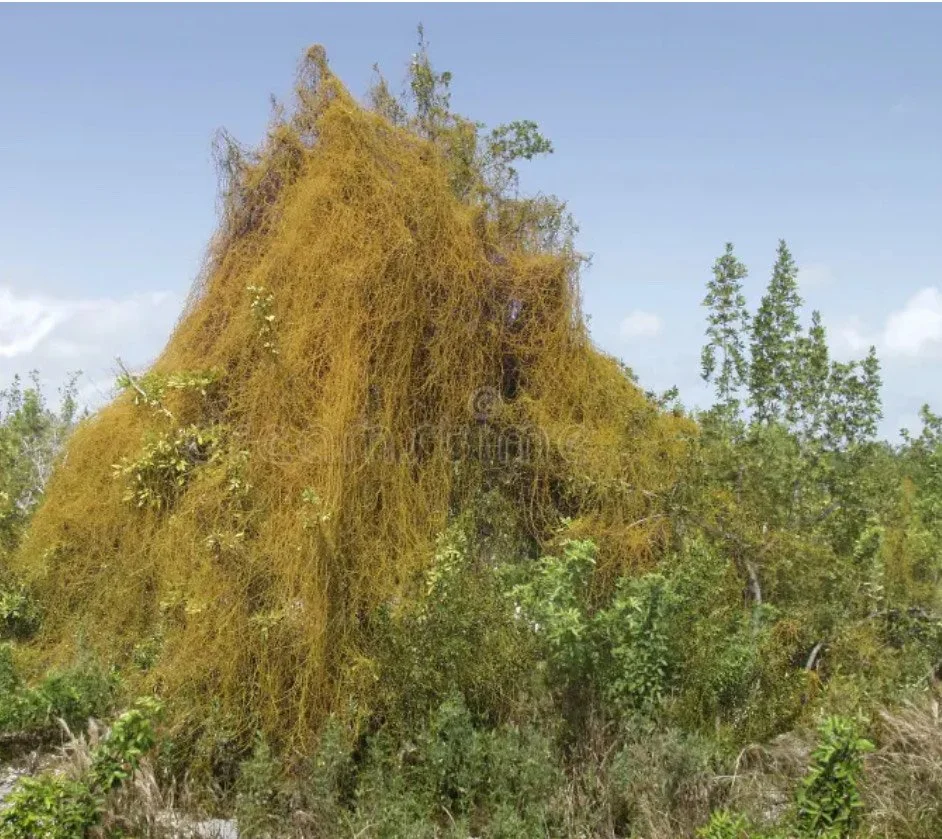
TU SI ZI (“Rabbit Silk Seed,” Cuscuta chinensis Semen)
Tu Si Zi essential oil’s aroma has a lovely grape like sweetness that rises into the head instilling a sense of support and calm clarity. This CO2 extracted translucent, olive green oil has a taste that is mild and nutty.
It is highly prized in traditional Chinese medicine to tonify both Yin and Yang of the Kidney and to consolidate Kidney Jing essence. It is used in the treatment of impotence, spematorrhea, back pain, uterine bleeding or clear vaginal discharge, urinary incontinence, or deficiency diarrhea due to Kidney Yang deficiency. Nu Zhen Zi is also indicated, traditionally as a single herb remedy or combined for Wasting and Thirsting syndrome (often associated with certain symptoms of diabetes).
For impotence and increased libido combine with essential oil of She Chuang Zi (Cnidiium Seed).
To consolidate leakages such as urinary incontinence, bleeding, spermatorrhea, cocks crow diarrhea etc, practitioners may consider combining Tu Si Zi with Wu Wei Zi (Schisandra Seed).
Tu Si Zi has a nourishing effect on the Liver as well and as such it benefits the eyes. Especially in case of blurred vision, spots in front of the eyes, dryness and dizziness. For this purpose, may be blended with essential oils of Nu Zhen Zi (Ligustrum lucidum), Gou Qi Zi (Lyciium Berry), and Carrot Seed.
For back pain, practitioners may consider combining Tu Si Zi with other essential oils such as Gou Qi Zi (Lyciium Berry), Du Zhong ( Eucommia Root) and Du Huo (Angelica Pubescentis Root)
In clinical research, topical application of Tu Si Zi, two to three times a day produced good results for cases of vitiligo. The essential oil may be applied neat or diluted in almond oil.
Note: Base
TCM category: Yang Tonifying
Channels entered: Kidney, Liver
15ml bottles of essential oils are offered at a 15% discount for licensed professionals only, as found in the “select size” dropdown - see FAQ for information on how to access professional discounts.

CO2 extracted Schisandrae chinensis Fructus
"Five flavor seed"
The subtle, balanced aroma of this Wu Wei Zi essential oil seems to spread out to all of the sensory orifices. It warms the ears, concentrates the eyes, opens the nose and leaves two tastes on the tongue; salty at the back, pungent at the tip. It's effect warms and vibrates the lower abdomen, excites the breath, quiets the heart and elicits a gentle satisfied purr throughout the trunk of the body.
Our Wu Wei Zi essential oil is grown and CO2 extracted in southern China from the small, red, clustered schizandrae fruit whose Chinese name, "Five Flavor Seed" signifies that it can "tonify the yin of all five yin organs." The fruit skin is sweet, the fleshy part is sour, the seed core is bitter and pungent while all parts have a salty taste. The denseness of the dried fruit with its predominantly sour, and salty nature reflects its actions to astringe and nourish the Jing essence and Kidney.
Wu Wei Zi essential oil can be applied to contain the leakage of lung Qi for wheezing and cough when lung and kidney Qi are insufficient and the kidney is not grasping the lung Qi. The sour nature of Wu Wei Zi guides it to the liver, benefiting the Liver yin and it's orifice, the eyes. It also benefits the spleen and kidney Qi, helping to bind deficiency diarrhea. It helps to generate fluids and stop sweating. It's binding quality also helps with leakages such as nocturnal emissions, frequent urination and bleeding.
May combine with Bai Zi Ren Oil for palpitations, insomnia, dream disturbed sleep. Apply for night sweats, and spontaneous sweating due to deficiency.
Research has shown that Wu Wei Zi stimulates the body to produce antioxidants to eliminate oxygen free radicals, strengthens recovery from radiation, delays aging and repairs liver damage. It increases respiratory rate and depth and has a tranquilizing effect on the central nervous system.
Note: base
TCM Category: Astringent stabilizing binding
Major Chemical Components: Bioactive lignans: Schisandrin, schisandrol. Sesquiterpenoids: ylangene, himachalene, bergomatene. Phytosterol: B-sistosterol, daucosterol. Ester: 5-dimethyl citrate.
15ml bottles of essential oils are offered at a 15% discount for licensed professionals only, as found in the “select size” dropdown - see FAQ for information on how to access professional discounts.

CO2 extracted Evodiae Fructus
The aroma of our CO2 extracted Evodia Fruit essential oil is strong, herbaceous, earthy and sweet with a hint of citrus. Clearly reminiscent of fresh cannabis, where one of its main chemical components, ocimene, is also abundantly found and largely responsible for its typical aroma.
Wu Zhu Yu strongly warms the middle and lower burners. It settles rebellious Stomach Qi downward for acid regurgitation and vomiting especially when due to Liver overacting on the Stomach. When there is heat, combine with Lian Qiao (Forcythia) or, for cold conditions, with Gan Jiang (Dry Ginger).
Leads fire downward. For hypertension, Jue Yin channel headaches or oral ulcers, Practitioners may dilute Wu Zhu Yu essential oil with vinegar and apply to the center of the soles of the feet.
Warms and resolves cold stagnation of Liver QI and effects of cold in the Liver channel.
For cold bulging disorders or abdominal masses combine Wu Zhu Yu and Xiao Hui Xiang (Fennugreek) essential oils diluted in Castor or Calophyllum oil and applied as a warm compress over the affected area.
In Gynecology, Wu Zhu Yu essential oil may be diluted and applied as a compress or directly on acupuncture points to treat lower burner cold causing menstrual irregularity and pain along with Dang Gui (Angelica sinensis), Xiang Fu (Cyperus) and a small percentage of Gui Zhi/Gui Ye (Cinnamon Twig and Leaf). For infertility due to cold of the Chong and Ren Mai (Conception and Penetrating Vessels) combine Wu Zhu Yu with Ai Ye (Artemesia Argy).
Wu Zhu Yu essential oil has antioxidant, antimicrobial, antiviral and anti-inflammatory properties. It also calms the nerves and eases pain.
According to various animal studies, Wu Zhu Yu is associated with marked effectiveness in preventing and treating stomach ulcers by reducing gastric acid secretions. (Chen and Chen Chinese Medical Herbology and Pharmacology p.453)
Note: Middle
TCM Category: Warming the Interior and Expelling Cold
Channels Entered: Liver Spleen Stomach
Major Chemical Components: Monoterpenes: evodene, myrcene, thujene, limonene, ocimene*. Sesquiterpenes: trans-caryophyllene, elemene. Triterpinoid (furanolactone): evodin/limonin.
*Ocimene, a cannabis terpene is responsible for several of the medicinal effects of both plants including being known as a decongestant.
15ml bottles of essential oils are offered at a 15% discount for licensed professionals only, as found in the “select size” dropdown - see FAQ for information on how to access professional discounts.

C02 extracted Xi Xin - Asari Herba - wild ginger
“fine acrid”
The aroma of our Xi Xin essential oil has a strong earthy, musty quality. Its pungent warmth rises upward immediately opening the nasal passages and expanding the breath. It is produced by CO2 extraction.
Shen Nong Ben Cao Jing ( Divine Farmer’s Materia Medica) identifies Herba Asari as a superior class herb. “Xi Xin is acrid and a little warm. It mainly treats cough and counterflow, headache, and shaking brain, hypertonicity of the hundred joints, wind damp impediment and pain, and dead muscles. It brightens the eyes and disinhibits the nine orifices.” (Yang Shou-zhong translation)
It is commonly used in the treatment of colds, nasal discharge and cough with thin sputum, and also for head and toothaches, as well as joint pain. Xi Xin warms the lung and resolves phlegm. Many constituents of Xi Xin are thought to stimulate the respiratory system. Xi Xi has a potent effect to both dispel wind from the exterior and warm the interior.
Topically, Xi Xin essential oil produces a local anesthetic effect.
The essential oil of Xi Xin has a strong dispersing action to open the sensory orifices. It penetrates blockages of the nasal passages and of the Shen to restore consciousness. Diffusion is appropriate for this effect.
For nasal blockage or for loss of consciousness practitioners may apply Xi Xin essential oil (appropriately diluted) topically to the nostrils. For nasal congestion, or for toothache consider combining with Bai Zhi (Agelica dahurica) e.o. When signs of heat are present, use with Huang Qin (Scutellaria) e.o. A poultice could be made using these two essential oils with powdered Shi Gao (Gypsum Fibrosum).
TCM Category: Depending on the reference, has been classified as either an exterior-releasing or an interior-warming herb.
Channels entered: Lung, Heart, Kidney
Note: middle or top
Major Chemical Components: Phenols (Phenypropanoid): methyl eugenol, safrole, asaricin. Monoterpene: eucarvone.
*This oil is for EXTERNAL USE ONLY for short duration. 1% dilution maximum is recommended. It should NOT be taken internally or used in larger quantities than recommended. Chen and Chen Chinese Medical Herbology and Pharmacology lists the safety index for Herba Asari as “slightly toxic” noting that the safrole in the essential oil of Xi Xin is responsible for the toxicity of this herb which can be reduced or removed by cooking.
15ml bottles of essential oils are offered at a 15% discount for licensed professionals only, as found in the “select size” dropdown - see FAQ for information on how to access professional discounts.
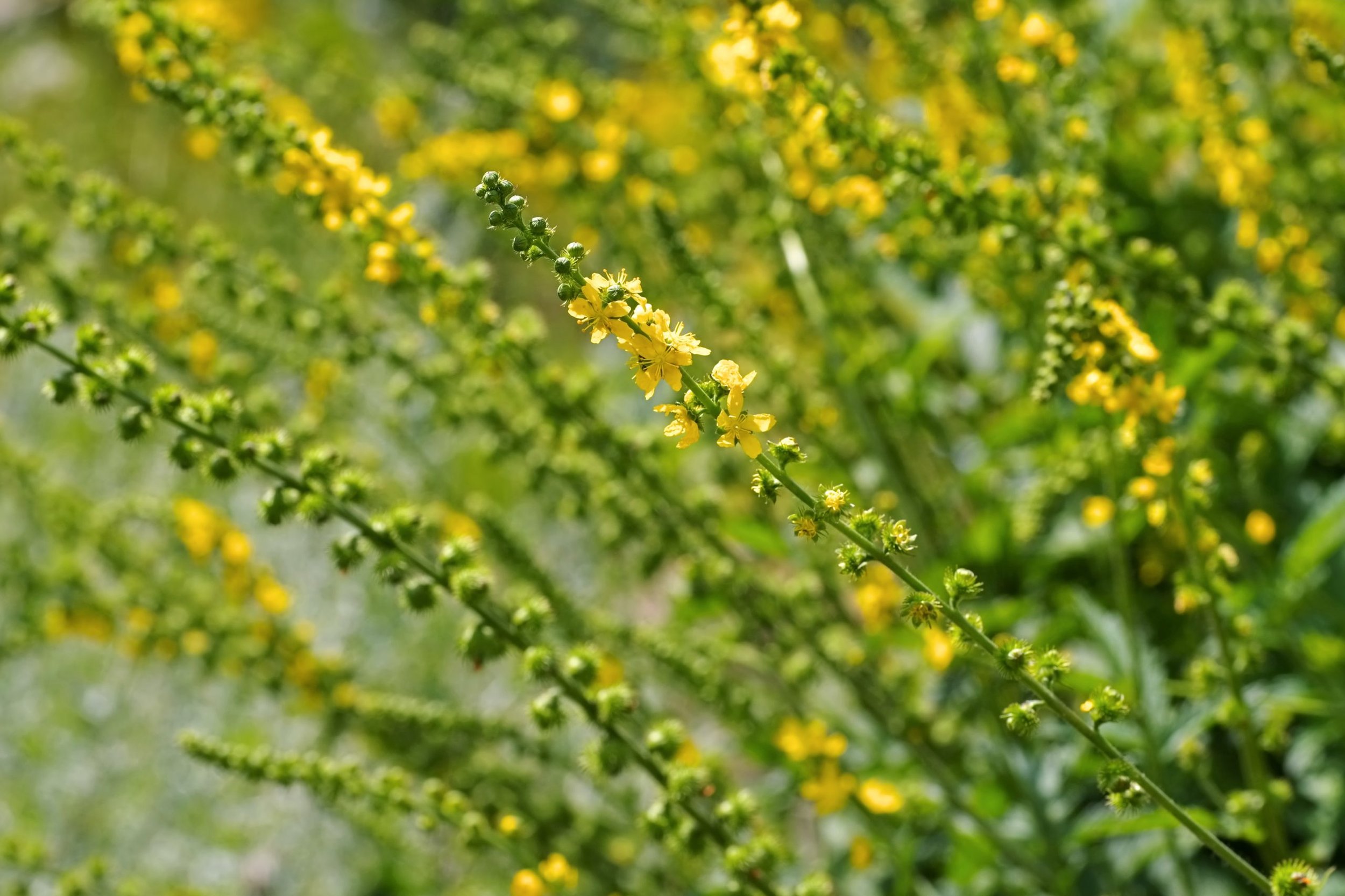
XIAN HE CAO 仙鶴草 “Immortal Crane Herb”
CO2 extracted Agrimoniae Herba, Agrimonia pilosa
Agrimonia pilosa grows widely throughout temperate regions of China on hillsides, grasslands, forest and field edges and is commonly harvested from the wild. It is a hardy, adaptable plant tolerating a wide range of moisture conditions. The entire aerial part (stems, leaves, and small yellow flowers) is collected for medicinal use, harvested during the flowering period in summer to early autumn when medicinal potency is highest and then dried in the sun.
Aromatically, Xian He Cao essential oil first hits the nose with a grassy, earthy aroma but then quickly brings a sharp bitterness to the back of the throat which descends down the esophagus and larynx through the chest and diaphragm into the gut. The oil is dark green, almost black and opaque. Extracted by CO2, it has a rich, pourable consistency.
The bitter nature of this herb accounts for both its astringent and detoxifying properties, although it is neutral in temperature and is not at all harsh. In fact Xian He Cao tonifies the Qi and Blood to support recovery in chronic deficiency conditions while it clears heat, stops bleeding, reduces swelling and kills various infections and parasites.
Xian He Cao essential oil may be applied by practitioners to control excessive bleeding of various etiologies. Consider combining with essential oils of Ce Bai Ye (Platycladi) and Wu Wei Zi (Schisandra). These may be diluted with Witch Hazel and applied over affected areas and on appropriate acupuncture points such as Xi Cleft points.
If there are signs of Qi and Blood insufficiency, Xian He Cao will add a binding, stabilizing dimension to other tonifying essential oils such as Ren Shen (Ginseng), Huang Qi (Astragalus), or Bai Zhu (Atractylodes) for Qi, and Gou Qi Zi (Lyceum Berry), Dang Gui (Angelica sinensis), or Carrot Seed for blood. Combining 10% essential oils with Ling Zhi Spore or Gou Qi Zi nutritional oil will make a highly nutritious and strengthening daily tonic.
Xian He Cao essential oil may be made into a paste or compress to treat sores, swellings, hemorrhoids, breast nodules and abscesses. Practitioners may consider combining with Pu Gong Ying (Taraxaci).
Note: Middle
TCM Category: Stop Bleeding
Channels Entered: Lung, Liver, Spleen
Major Chemical Components: Monoterpenes, Methyl myrtenate, Limonene
15ml bottles of essential oils are offered at a 15% discount for licensed professionals only, as found in the “select size” dropdown - see FAQ for information on how to access professional discounts.

Cyperus Rotundus Rhizome, Nutgrass Rhizome
"Enclosing Fragrance"
Xiang Fu essential oil has a rich, piercing, aroma, which expands the eyes, vibrates around the ears and fills the abdomen, homing in on blockages. Cyperus Rotundus has a vast growing range and is especially prevalent in southern India where its essential oil is used in perfumery. The plant is invasive and hardy. It is able to grow in sandy soil as well as in loamy moist fields and tropical rainforests. In China, the underground portion is collected in autumn for medicinal use, the rhizomes sliced in half and dried in the sun. Our Xiang Fu essential oil is CO2 extracted in southern China.
Traditionally, Xiang Fu is prized as one of the most commonly used Qi rectifying, depression opening herbal medicines, able to free the Qi aspect of the 12 channels and 8 vessels and an immortal herb for women. Consider blending Xiang Fu essential oil with Dang Gui, Chuan Xiong and/or Chai Hu oils for all types of irregular menstruation or pre-menstrual syndrome.
Note: middle
TCM Category: regulating Qi
Major Chemical Components: Sesquiterpinoids: a-cyperolone, B-selinene, cyperine, patchoulenone. Sesquiterpenic ketol: sugeonol. Monoterpines: pinene, camphene, limonene. Monoterpene ether oxide: 1-8 cineole.
15ml bottles of essential oils are offered at a 15% discount for licensed professionals only, as found in the “select size” dropdown - see FAQ for information on how to access professional discounts.

CO2 extracted Fructus Foeniculi
Fennel fruit, Fennel seed
“small returning fragrance”
The anise spice aroma of our CO2 extracted Xiao Hui Xiang essential oil is strong and rich. Its consistency is thicker and more opaque than the steam distilled version. Upon inhalation, its effect seems to concentrate across the bridge of the nose and eyes, inward, vibrating deep into the brain. Its pungent heat travels downward through the throat, warming the whole abdomen and back.
Fennel has a wide growing range throughout Europe, North Africa and Asia and in many cultures its fruit has traditionally been valued as a digestive aid. Its light green, feathery foliage and aromatic seeds are used to flavor foods and medicines. Its bright yellow flowers signify its affinity to he earth element. Modern pharmacology has shown that fennel fruit inhibits excess stomach acid and increases peristalsis.
Xiao Hui Xiang and Hu Lu Ba (fenugreek) are a traditional TCM combination for all sorts of bulging disorders. For example, a warm compress of these two oils with Rou Gui might be used for hernia due to cold in the liver channel. The combination may also be considered for low back pain due to cold Kidney deficiency, especially if combined with She Chuang Zi and Du Huo oils.
Practitioners may find that combining Xiao Hui Xiang with Gan Jiang and Mu Xiang essential oils may be helpful to promote digestion in cases of abdominal pain or digestive disharmonies from cold.
Fennel essential oil is considered to be naturally estrogenic and therefore contraindicated in pregnancy or when there is need to block or reduce estrogen.
Note: middle
Dilution: 4% (a little goes a long way and too much can irritate the skin)
TCM category: Warming the interior
Major Chemical Components: Phenolic ethers 50-90%: trans-anethole [36], methyl chavicol. Monoterpenoid & Ketone: fenchone (< 5%). Diterpenes.
15ml bottles of essential oils are offered at a 15% discount for licensed professionals only, as found in the “select size” dropdown - see FAQ for information on how to access professional discounts.
Steam extracted organic Fructus Foeniculi
Fennel fruit, Fennel seed
“small returning fragrance”
The aroma of our steam distilled Xiao Hui Xiang essential oil is a sweet anise spice and its consistency is thin and clear compared to the CO2 version. Upon inhalation, its effect seems to concentrate across the bridge of the nose and eyes, inward, vibrating deep into the brain. Its pungent heat travels downward through the throat, warming the whole abdomen and back.
Fennel has a wide growing range throughout Europe, North Africa and Asia and in many cultures its fruit has traditionally been valued as a digestive aid. Its light green, feathery foliage and aromatic seeds are used to flavor foods and medicines. Its bright yellow flowers signify its affinity to he earth element. Modern pharmacology has shown that fennel fruit inhibits excess stomach acid and increases peristalsis.
Xiao Hui Xiang and Hu Lu Ba (fenugreek) are a traditional TCM combination for all sorts of bulging disorders. For example, a warm compress of these two oils with Rou Gui might be used for hernia due to cold in the liver channel. The combination may also be considered for low back pain due to cold Kidney deficiency, especially if combined with She Chuang Zi and Du Huo oils.
Practitioners may find that combining Xiao Hui Xiang with Gan Jiang and Mu Xiang essential oils may be helpful to promote digestion in cases of abdominal pain or digestive disharmonies from cold.
Fennel essential oil is considered to be naturally estrogenic and therefore contraindicated in pregnancy or when there is need to block or reduce estrogen.
Note: middle
Dilution: 4% (a little goes a long way and too much can irritate the skin)
TCM category: Warming the interior
Major Chemical Components: Phenolic ethers 50-90%: trans-anethole [36], methyl chavicol. Monoterpenoid & Ketone: fenchone (< 5%). Diterpenes.
15ml bottles of essential oils are offered at a 15% discount for licensed professionals only, as found in the “select size” dropdown - see FAQ for information on how to access professional discounts.

Steam distilled Valerian Root
Our potent, steam distilled Valerian grows wild in the mountains of Guizhou Province, China. Its aroma is strong, sharp, sweet and herbaceous all at the same time. Inhaling the aroma has an immediate hypnotic, tranquilizing effect. It is soothing, sedating and deeply relaxing for both mind and body.
Valerian essential oil is tranquilizing for a disturbed spirit. In this regard, it may be used to treat insomnia, emotional distress, anxiety and excessive worrying.
Valerian is powerfully analgesic and anti-spasmodic. It is therefore, equally effective to ease physical stresses, especially those associated with Liver Qi Stagnation which may manifest as muscle tightness, spasms, stomach and intestinal cramps, menstrual cramping and pre-menstrual syndrome.
For insomnia, Xie Cao is quite effective on its own, whether inhaled directly or diffused in the sleeping room. It may also be combined with other essential oils such as Wu Wei Zi (Schizandra), Suan Zao Ren (Zizypus) or Bai Zi Ren (Biota Seed).
To reduce pain, muscle aches and spasms Xie Cao may be applied topically over the affected area, either as a single oil or combined with other essential oils such as Chuan Xiong (Ligusicum wallichii), Gan Cao (Licorice), or Xun Yi Cao (Lavender).
TCM Category: Nourishing Herbs That Calm The Spirit
Channels Entered: Heart and Liver
Note: Middle and Base
Major Chemical constituents: Bronyl acetate >35%, alpha-pinene, myrtenyl acetate, borneol.
15ml bottles of essential oils are offered at a 15% discount for licensed professionals only, as found in the “select size” dropdown - see FAQ for information on how to access professional discounts.

CO2 extracted Ku Xing Ren - Xing Ren - Prunus Armeniacae amarum Semen
“Bitter Apricot Kernel”
Our Xing Ren essential oil captures the true nature of the apricot kernel’s distinctive aroma, Bitter sweet and nutty, it reminds one of the almond extract used in food flavoring. It’s bitter quality strongly moves downward, anchoring one to the earth. This oil is produced by CO2 extraction.
The main function of Xing Ren is to Stop coughing and wheezing. It can be used for many types of respiratory disorders depending on how it is combined with other herbs and essential oils.
For wind heat coughs Xing Ren can be blended with the essential oils of Ju Hua, (Chrysanthemum), Jin yin Hua (honeysuckle) and Lian Qiao (Forcythia), and for wind cold with Zi Su Ye (Perilla leaf) and Gui Zhi/Gui Ye (cinnamon twig and leaf). This would particularly helpful diffused into the air for inhalation.
Bitter Apricot Kernel oil has been found to have rich antioxidant and anti carcinogenic properties that can help arrest free radicals, support apoptosis (cancer cell death) and prevent cellular damage. It also shows strong antimicrobial activity.
TCM Category: Relieve Coughing and Wheezing
Channels Entered: Lung, Large intestine
Note: Base
*This oil is for external use. It should not be taken internally. Chinese Materia Medicas identify this herb as “slightly toxic.” It may also be useful to know that Apricot kernel is a major source of laetrile, a controversial cancer treatment. Practitioners are encourages to research and to carefully draw their own conclusions.
Major Chemical constituents: Benzaldehyde (90.6%), mandelonitrile (5.2%) and benzoic acid (4.1%, linalool, 4-terpinienol, a-terpineol
15ml bottles of essential oils are offered at a 15% discount for licensed professionals only, as found in the “select size” dropdown - see FAQ for information on how to access professional discounts.

CO2 extracted Yu Lan Magnolia Flower - Magnoliae denudata Flos
The aroma of this CO2 extracted Xin Yi Hua essential oil is herbaceous, sweet and spicy. Upon inhalation it penetrates into the sinuses cuts through dampness, clears the pathways in the head and frees the breathing passages.
Xin Yi Hua essential oil opens the senses and the mind when they have been blocked by the effects of wind, dampness, obsession, depression or confusion.
In Chinese herbal medicine, Xin Yi Hua is famous for its ability to open blocked nasal passages and is a major ingredient in formulas for sinus congestion, pressure headaches and allergic rhinitis. The part of the plant used traditionally, for medicinal purposes, is the flower bud before it blooms.
It has a special affinity with the Lung whose channel opens to the nose. It also goes to the Stomach where it helps to facilitate the rising of the pure yang through the Stomach channel as it travels upward to the benefit the sensory orifices and the brain.
To strengthen Magnolia Flower essential oil’s effect of clearing the nasal passages, practitioners may blend it with the essential oils of Xi Xin (Asarum) if there is cold or Bo He (Peppermint) if there is heat, and An Shu Ye (Eucalyptus) for more congestion. These can be diffused into the air and placed on acupuncture points.
When emotion is a factor, combining both Xin Yi Hua and Bai Yu Lan Ye (the flower and leaf of Magnolia ) will enhance its aromatic effect on the spirit.
TCM Category: Releasing the Exterior
Channels Entered: Lung and Stomach
Note: Middle
Major Chemical constituents: Pinene, 1-8 cineole, camphor, camphene, phellandrene, sabinene, myrcene, limonene, terpinene, agarol, terpineol
15ml bottles of essential oils are offered at a 15% discount for licensed professionals only, as found in the “select size” dropdown - see FAQ for information on how to access professional discounts.

CO2 extracted Thuja sutchuenensis
Cupressaceae (Cypress)
(Sichuan Arborvitæ)
This is a special, limited supply of an unusual essential oil. Thuja suchuenensis, an evergreen coniferous tree in the cypress family Cuppressaceae. It was long thought to be an extinct species of Oriental Thuja but was recently rediscovered growing in a part of Sichuan Province, Chengkou County, on the southern slope of the Dabashan Mountains. Here it grows on steep slopes and ridges of a limestone formation at altitudes between 1000 and 1500 meters and estimated to include trees 500 to 600 years old. It can often be found growing horizontally out of the rocky cliff faces. In Chinese mythology and literature, it is said to save lives by catching people who fall or jump from the precipice.
Unlike other Thuja essential oils (mostly steam distilled from the leaves of a North American Arborvitae, Thuja occidentals) This unique oil is CO2 extracted from the wood of the twigs and branches of Sichuan Arborvitæ. Its color is deep golden, consistency is syrupy and its aroma is strong, fresh evergreen, woody, and pungent. Its effect is calming, easing body and mind, warming, cleansing and healing.
As aromatherapy, Ya Bai is analgesic, anti-anxiety, antibacterial, antidepressant, antifungal, antiseptic, astringent, anti-rheumatic, antiviral, circulatory stimulant, diuretic, emmenagogue, mucalytic, expectorant. Applied topically, it may be used to relieve pain of the sinews, bones and joints, as well as to address cystitis, warts, moles, skin tags, and other skin eruptions, abnormal cellular growths, some forms of skin cancers, and polyps. It breaks up mucus and phlegm. Diffused into the air it benefits respiration, coughs and congestion. It is a powerful anti-fungal (especially against candida albicans), disinfectant and insect repellant.
Note: Base
Major Chemical Components: thujopsene, cedrol, α-caryophyllene, cuparene and β-caryophyllene
15ml bottles of essential oils are offered at a 15% discount for licensed professionals only, as found in the “select size” dropdown - see FAQ for information on how to access professional discounts.
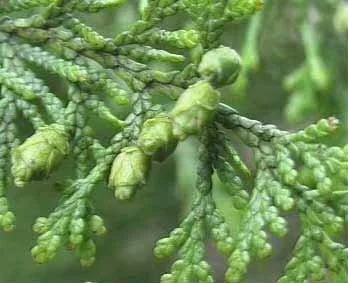
Steam distilled, “small molecule” (double extracted) Thuja sutchuenensis
Cupressaceae (Cypress)
(Thuja sutchuenensis - Sichuan Arborvitæ)
This extraordinarily aromatic oil is double extracted by a special process to bring out its potent, complex cedar-like scent, reminiscent of traditional old cedar wood chests.
It can be used to create a wonderfully masculine cologne or after shave and as a sachet placed in a drawer or closet it provides a pleasant, woody aroma while repelling moths and molds. A little goes a long way and like true base note oils, the aroma lasts a long time.
This unique oil is extracted from the wood of the Sichuan Arborvitæ, meaning “Tree of Life.” Its effect is calming, easing body and mind, warming, cleansing and healing.
Medicinally, its chemical composition provides a wide array of analgesic, anti-anxiety, antibacterial, antidepressant, antifungal, antiseptic, astringent, anti-rheumatic, antiviral, circulatory stimulant, diuretic, emmenagogue, mucalytic, and expectorant properties. Applied topically, it may be used to relieve pain of the sinews, bones and joints, as well as to address skin eruptions such as warts, moles, skin tags, abnormal cellular growths, some forms of skin cancers, and polyps. It breaks up mucus and phlegm. Diffused into the air it benefits respiration, coughs and congestion. It is an effective, disinfectant and insect repellant.
Note: Base
Major Chemical Components: thujopsene, cedrol, α-caryophyllene, cuparene and β-caryophyllene, longifolene,α-Pinene
The scent profile is largely associated with sesquiterpenes and sesquiterpene alcohols, especially:
Thujopsene – woody, dry, cedar-like
Cedrol – deep cedarwood note, pencil-shavings, slightly sweet
Longifolene – resinous, woody
β-Caryophyllene – spicy-woody
α-Pinene – fresh conifer, pine-like
*This is one reason many people describe high-quality Ya Bai 崖柏 as having a complex scent reminiscent of cedarwood, sandalwood, and aged conifer resin simultaneously.
15ml bottles of essential oils are offered at a 15% discount for licensed professionals only, as found in the “select size” dropdown - see FAQ for information on how to access professional discounts.

CO2 extracted Coisis Semen
(Job’s Tears, Coix Seed)
Yi Yi Ren essential oil has a valuable functional rather than aromatic use in aromatherapy blends. Like many of the herbs in its Chinese medicine category (herbs that drain dampness) its nature is sweet and bland. It effectively leaches out dampness from the bones, sinews and muscles and is especially helpful to ease pain, increase joint mobility and reduce spasms in chronic cases with swelling and hypertonicity.
Coix Seed does its job by strengthening the transforming and transporting functions of the Spleen and Stomach (digestion) which in turn supports the flesh and muscles and helps the Lung and Kidney accomplish their roles in water metabolism.
When combined with other essential oils, Yi Yi Ren may be applied to mitigate atrophy and weakness that result from chronic damp conditions.. Think of combining with Cang Zhu (Atractylodis Rhizome) and Du Huo (Angelica pubescentis Radix) for example.
Topically, Yi Yi Ren essential oil may be applied as a poultice with the ground raw herb to expel pus, clear acne and resolve abscesses.
Note: Base
TCM Category: Water-Regulating and Damp-Resolving
Channels Entered: Spleen, Stomach, Lung, Kidney
Major Chemical Components: Phytosterols: beta-sitosterol, stigmasterol. Triterpenoid saponin: coixenolide. Triterpenes. Phenol: coixol. Aldehyde: nonalactone. Fatty acids: hexanoic acid, nonanoic acid, octanoic (caprilic) acid, dilinoleic acid-triolein, palmic acid-dilinolein.
15ml bottles of essential oils are offered at a 15% discount for licensed professionals only, as found in the “select size” dropdown - see FAQ for information on how to access professional discounts.

CO2 extracted Artemisiae scopariae - Wormwood
“Mattress Old Wormwood”
Yin Chen’s aroma is reminiscent of fresh grass, yet sharply bitter and clean. It’s effect cuts through, cools and purifies. This Yin Chen Hao essential oil is produced by steam distillation.
Yin Chen Hao dispels damp heat and is one of the most commonly used and most effective herbs for treating Jaundice. Combined properly with other herbs and essential oils it can be used for damp-heat or cold-damp, Yang or Yin types of jaundice originating from Liver, Gallbladder, Stomach or Spleen.
Yin Chen Hao and Qing Hao (Artemisiae annuae) are commonly used together for jaundice.
Various types Liver damp-heat disorders may benefit from Yin Chen Hao essential oil, especially in combination with oils of: Huang Qin (Scutellaria), Chai Hu (Bupleurum) and Bai Dou Kou (Amomi rotundas)
Topically, Yin Chen can be applied for dermatological conditions due to dampness such as urticaria, eczema, rashes, and sores. In one clinical trial, topical application of Yin Chen Hao essential oil twice daily for four weeks was effective for skin and foot fungal infections.
TCM Category: Draining dampness
Channels Entered: Liver, Spleen, Gallbladder, Stomach
Note: Middle
Major Chemical Components: Monoterpenes: pinene, cymene, myrcene, limonene, terpinine, ocimene. Monoterpene ether oxide: 1-8 cineole (eucalyptol). Monoterpene ketones: thujone, carvone, camphor. Monoterpene alcohol: thujyl alcohol. Monoterpene aldehyde: citronellol. Sesquiterpenes: germacrene, caryophyllene, santalene.
15ml bottles of essential oils are offered at a 15% discount for licensed professionals only, as found in the “select size” dropdown - see FAQ for information on how to access professional discounts.
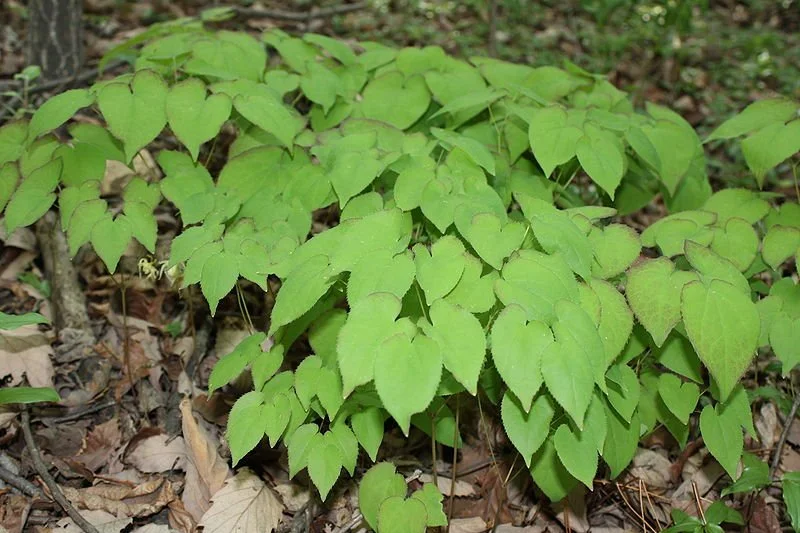
Yin Yang Huo 淫羊藿 “Horny Goat Weed”
CO2 extracted Epimedii Herba, Epimedium
Epimedium plants are shade-loving perennials that thrive intemperate environments protected from intense sun and extreme dryness. Their small but distinctive yellow, white, or pale purple flowers bloom in spring to early summer. The green to reddish tinged heart-shaped or arrow-shaped leaves, which are the primary medicinal component, are harvested in late spring to early summer, when leaves are fully developed and then sun or shade dried.
The aroma of our Yin Yang Huo essential oil is rich and herbaceous with a garlic like warmth. Its taste on the tongue and olive-green color are reminiscent of pesto. Upon inhalation, energy rises to the ears while the dense, base aspect descends deeply to vibrate into the lower abdomen.
In Chinese herbal medicine, Yin Yang Huo is valued for its tonifying action on the Kidney. The essential oil likewise is beneficial to strengthen the Kidney Yang most notably regarding its effect to increase sexual vitality and libido. (Interestingly, translation of the word “Yin” in its name means “horny” in both Chinese and English idioms.)
To further enhance this action, practitioners may want to combine Yin Yang Huao essential oil with that of She Chuang Zi (Cnidiium Seed) and a bit of Jasmine as an aphrodisiac to be placed on acupuncture points of the Liver and Kidney channels affecting the genitalia and sexual function.
Another attribute of the Kidney Yang is to support the joints. Yin Yang Huo essential oil’s warming, strengthening quality is helpful in treatment of arthritic conditions when cold, damp and deficiency are aggravating factors. Plus, with its affinity also for the Liver, it benefits the sinews as a whole. Combining with Du Huo (Angelica pubescentis), Du Zhong (Eucommia), Yun Shan (Spruce) and a small percentage of Gui Zhi/Gui Ye (Cinnamon twig and leaf) as a lineament in Ethel alcohol or massage oil with Safflower carrier will warm the joints, bones, channels and collaterals to relieve pain, numbness, and restore function.
Note: Middle
TCM Category: Tonify Yang
Channels entered: Kidney and Liver
Major Chemical Components: Phytol, palmitic acid, long chain fatty esters, β-Eudesmol, α-Pinene, Borneol, (R)-Carvone
15ml bottles of essential oils are offered at a 15% discount for licensed professionals only, as found in the “select size” dropdown - see FAQ for information on how to access professional discounts.
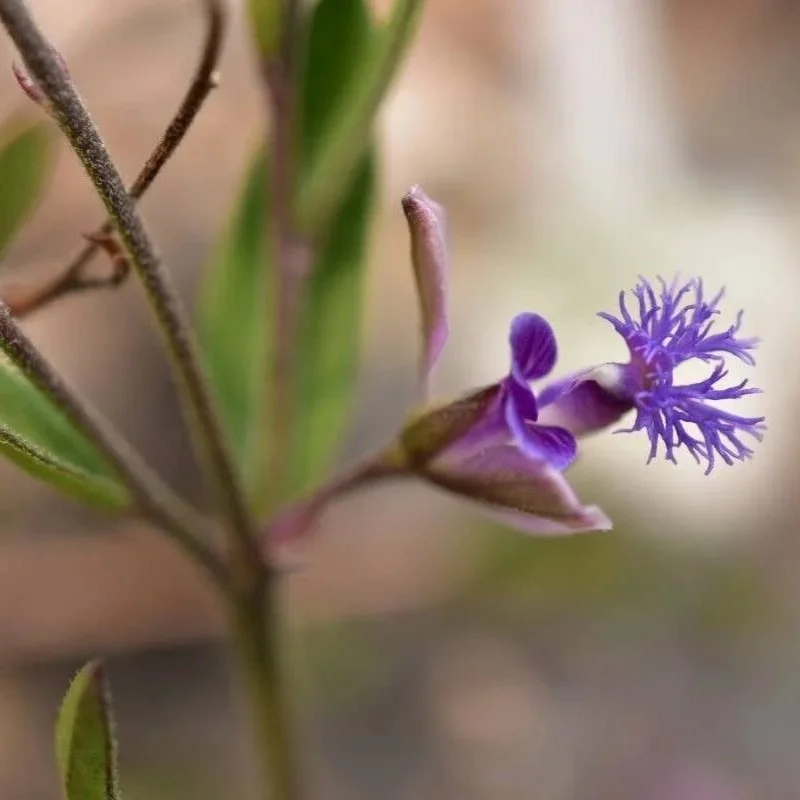
沅志 “Profound Will”, “Long Determination”
CO2 extracted Radix Polygala
Chinese Milkwort
Polygala tenuifolia is a perennial herb native to East Asia, characterized by thin wiry stems, narrow leaves and small, typically purplish-blue flowers, with tassel-like appendages. It thrives in dry, sunny areas of well-drained soil.
The aroma of our CO2 extracted Yuan Zhi essential oil expresses a sweet pungency, exuding from the mineral chalky scent of the root. Upon deep inhalation one notices calming, like blanketing the heart in comfort, along with the sense of something being cleared away, a weight being lifted and a new clarity arising.
Shen Nong Bên Cao Jing lists Yuan Zhi as a superior grade herb right after Shi Chang Pu (Acori graminei) and indeed they are often used together to “open the nine orifices,” brighten the eyes, sharpen the hearing, improve memory and cognitive function and prevent senility. In this classic of Chinese medicine Yuan Zhi is said to”strengthen the will and double one’s physical strength.”
Yuan Zhi’s most important attributes are to pacify Heart/Mind and calm the Shen/Spirit. It Strengthens the Heart and Kidney Qi to address disturbed Shen manifesting with symptoms such as restlessness, palpitations, anxiety, insomnia, dream disturbed sleep and nocturnal emissions.
To a great extent, it accomplishes its work on the Heart/Mind by its ability to expel phlegm in the Heart. When severe, this phlegm obstruction may cause mental or emotional disorientation and seizures. Phlegm also has a tendency to obstruct the sensory orifices causing poor hearing or sight and muddled, confused thinking.
The traditional pairing of Yuan Zhi with Shi Chang Puamplifies the above actions and is exemplified in the Sun Simiao formula, Ding Zhi Wan (Settle the Will), available in its essential oil form in our Blends section.
Yuan Zhi also assists in dispelling phlegm from the lungs. It acts as an expectorant to treat cough with sputum, bronchitis, pneumonia, and other related respiratory disorders.
Topical application of this essential oil as a paste mixed in green clay powder or egg white treats boils, abscesses, sores or swollen and painful breasts due to phlegm obstructing the channels and collaterals. Yuan Zhi Essential oil may be applied as a single oil or consider adding it to our Soothe and Clear or The Girls Blends.
Note: Base
TCM Category: Nourishing Herbs that Calm the Shen
Channels Entered: Heart, Lung
Major Chemical Components: Fatty Acids: Oleic, Hexadecanoic, etc. Alcohols: Hexanol. Esters: oligosaccharide,9-octadecenoic acid, methyl ester. Ketones: Such as hexahydrofarnesyl acetone, α alpha-ionone. Terpenoids: Including caryophyllene oxide and β beta-bisabolene. Furanoidsand Phenolics: furfural and eugenol. triterpenoid saponins: tenuifolin onjisaponins
15ml bottles of essential oils are offered at a 15% discount for licensed professionals only, as found in the “select size” dropdown - see FAQ for information on how to access professional discounts.

Steam distilled Picea mariana
Black Spruce’s fresh, pine-like aroma is sweeter, milder and softer than most evergreen oils. Its balsamic, resinous top notes with green, woody tones instill it with purifying and cleansing attributes and promote an openness and clarity for the mind. Overall, the scent is very clean, fresh, pleasant and restorative.
Picea mariana (black spruce) is a North American species of spruce tree in the pine family. It is a frequent part of the biome known as taiga or boreal forest. The sharp, bluish-green needle-like leaves of the tree are the primary source of essential oil, which is extracted through the process of steam distillation.
Black Spruce essential oil is said to support the adrenal cortex. It is described by Dr. Kurt Schnaubelt in ‘Advanced Aromatherapy’ as particularly suited to restoring depleted and overworked adrenal glands in this formula: 5% Black Spruce essential oil and 5% Pine oil in Hazelnut oil. This can be applied over the kidney area. Like many woody oils, Spruce is grounding and stimulating at the same time. While it has a calming effect on a nervous, hyperactive individual, it energizes someone who is feeling lethargic and melancholic.
Spruce essential oil is considered to be beneficial in improving memory and concentration.
As aroma therapy, Spruce essential oil benefits the Lung and opens the breathing passages, partly due to the significant percentage of camphene in it’s composition. This monoterpene is known specifically to be a powerful mucolytic, helpful for respiratory issues such as bronchitis, asthma and coughs. Camphene is also a powerful antioxidant adding to its therapeutic benefits when dealing with respiratory issues.
Practitioners may find diffusing Spruce along with Zi Su Ye essential oil for cough and congestion to be helpful.
Applied to the muscles and joints in dilution spruce essential oil enhances the bodies function and flexibility, and therefore useful to relieve joint pain, muscle stiffness and spasms. The a-pinene and bornyl acetate chemical components give Spruce essential oils anti-inflammatory and analgesic properties, as well as the energetic & emotional support for calming & sedating, which it is a great addition to pain blends.
Note: middle
Major Chemical Components: Ester: bornyl acetate. Monoterpenes: pinene, camphene, carene, myrcene, limonene, santene, phellandrene. Monoterpene alchohols: borneol, terpineol, 1,8-cineole Sesquiterpene: cadinene
15ml bottles of essential oils are offered at a 15% discount for licensed professionals only, as found in the “select size” dropdown - see FAQ for information on how to access professional discounts.

Houttuynia Cordata
Our Yu Xing Cao essential oil is Co2 extracted from the heart leaf of Houttuynia Cordata, an herbaceous flowering plant growing in moist, shady areas of the hills of Guizhou Province, China.
This essential oil has an immediate tart and piquant aroma with heavy notes of the sea and of lemon.
Yu Xing Cao with its cool, acrid nature and its deep affinity for the lung is renowned for its ability to clear heat, eliminate toxins and drain abscesses from the Lung. Not surprisingly Yu Xing Cao is excellent at helping to resolve cough as well as reducing and eliminating some of the more severe symptoms of Lung infection such as wheezing and expectoration of pus, phlegm, and blood.
With its anti-microbial, anti-inflammatory, antitussive and analgesic properties Yu Xing Cao has been demonstrated to produce statistically positive outcomes in the treatment of Chronic Bronchitis and Pneumonia in clinical studies and promoted by Chinese scientists for the treatment of SARS.
Diffused into the air or applied topically as a chest rub, Yu Xing Cao essential oil works directly on the lungs. Combining with other essential oils such as Eucalyptus, Zi Su Ye (Perilla Leaf) and Song Zhen (White Pine Needle) will further enhance its effectiveness.
Note: Middle
TCM Category: Heat Clearing and Toxin Eliminating
Channels Entered: Lung
Major Chemical Components: decanoylacetaldehyde, methyl nonyl ketone, laurinaldehyde, α-pinene, mycrene, limonene, linalool, citronellol, citral, 1-8 cineol,ocimene, carvacrol, thymol.
15ml bottles of essential oils are offered at a 15% discount for licensed professionals only, as found in the “select size” dropdown - see FAQ for information on how to access professional discounts.

Pomelo Fruit Blossom
The aroma of Pomelo flower essential oil is lovely, delicate, well balanced yet strongly scented with a floral, sweet, orange-like fragrance. Upon inhalation, its effect is enlivening and mood elevating. It feels cleansing and clarifying and engenders pure fluids which moisten the eyes, nose and mouth.
Pomelo, is an ethnomedicinally, pharmacologically, and phytochemically valued citrus fruit species. The fragrant, large, creamy white flowers of the Pomelo plant open in mid-spring. Chemical components from the blossoms exhibit a lipid-lowering effect plus various other biological activities, including; anti-oxidant, anti-tumor, antimicrobial, and anti-inflammatory processes. Recent research indicates that Citrus extracts and components are beneficial for anti-obesity and other metabolic disorders.
Yu Zi Hua is an excellent choice for skin care blends. Aside from the lovely aroma, its floral aspect is moistening and beautifying while its citrus aspect is cleansing and brightening.
Note: Middle
TCM Category: Nourishing Yin, Regulating Qi
Channels Entered: Lung, Stomach
Major Chemical Components: limonene (18.2%), linalool (16.4%), nerolidol (29.3%) and farnesol (15.7%), coumarins, terpenoids, alcohols, esters, alkanes, ethers, and aldehydes
15ml bottles of essential oils are offered at a 15% discount for licensed professionals only, as found in the “select size” dropdown - see FAQ for information on how to access professional discounts.

CO2 extracted Zhang Nao - Cinnnamomom camphora, White camphor
“Camphor Brain”
The distinctive camphor aroma of Zhang Nao is intense, sharp and spicy. It jolts the senses awake and hangs in the air. Our Zhang Nao essential oil is produced by CO2 Extraction.
Cinnamomum camphora (commonly known as camphor tree, camphorwood or camphor laurel) is a large evergreen tree native to China south of the Yangtze River. The leaves have a glossy, waxy appearance and smell of camphor when crushed. In spring, it produces bright green foliage with masses of small white flowers. The leaves, twigs and bark of the tree are used to extract its essential oil.
Camphor is toxic if used inappropriately. It’s essential oil should not be taken internally. It is an irritant to the mucus membranes. Always dilute 1%-3% maximum and for topical application always test on a small area first. It is contraindicated for children and pregnancy. Avoid long term use.
Zhang Nao is used in Chinese medicine to expel wind and dampness and to kill parasites. As an essential oil it can be diluted appropriately and applied topically for conditions such as scabies, ring worms and fungal infections, itching skin and lymph congestion.
The penetrating, intense aromatic quality of Zhang Nao essential oil has the effect of opening the sensory portals and can be diffused for shock, delirium and sudden loss of consciousness or applied to acupuncture points for symptoms of Heart Qi deficiency.
Benefiting from its actions to invigorate the blood and alleviate pain, practitioners may consider Zhang Nao as an ingredient in a liniment or plaster for the pain and swelling of injuries, fractures, contusions and sprains.
TCM Category: Substances for Topical application.
Channels entered: Heart, Lung, Spleen
Note: Top
Major Chemical Components: Monoterpene ketone: camphor. Ester: methyl cinnamate). Monoterpnes: camphene, pinene, sabinene, cymene. Monoterpene ether oxide: 1-8 cineole (eucalyptol). Monoterpene alcohol: terpenin-4-ol.
15ml bottles of essential oils are offered at a 15% discount for licensed professionals only, as found in the “select size” dropdown - see FAQ for information on how to access professional discounts.

CO2 extracted Alismatis plantago rhizoma
Our Ze Xie essential oil has a sweet, musky, and earthy aroma, with a richness and depth that you can feel down into the lower abdomen and back.
Ze Xie enters the Kidney and Urinary Bladder channels. It’s cold and bland nature enables it to promote urination to leach out dampness, where heat and fluids have stagnated in the lower part of the body. It is commonly used in formulas treating damp accumulation in the lower body, such as urinary tract infections or water swelling.
It is a harmonizer of Yin and Yang - Water and Fire - able to purge both damp accumulation as well as draining ascending kidney fire.
It is no coincidence that Alismatis plantago, a plant that is naturally found growing along shores of shallow waterways, is used to treat fluid metabolism disturbances in the body. In Celtic, the word “alisma” means water.
Diuretic, anti-hyperlipidemic, anti-hypertensive, anti-inflammatory, steroidal, hepato protective, analgesic, immuno modulatory, hormonal modulatory
Note: Base
TCM Category: Drain dampness
Channels Entered: Kidney, Urinary Bladder
Major Chemical Components: Triterpenoids: alisol. Sesquiterpenoids: alismol, alismoxide, orientalol.
15ml bottles of essential oils are offered at a 15% discount for licensed professionals only, as found in the “select size” dropdown - see FAQ for information on how to access professional discounts.

ZI HUA DI DING 紫花地丁
“Purple Flower Earth”
Herba Violae
Zi Hua Di Ding essential oil has an acrid, herbaceous aroma with smooth grape wine- like notes. Its color is opaque, almost black dark umber.
Upon deep inhalation the aroma seems to vibrate into the head and heart. At the same time, like a cool bubbling spring it brings water to the mouth.
Powerfully anti-biotic, anti-inflammatory and anti-pyretic, applied topically, Zi Hua Di Ding effectively clears toxic heat, cools the blood, and reduces abscesses, swelling, fevers and bacterial infections. It addresses hot, toxic skin problems such as furuncles, lesions, erysipelas and abscesses of various kinds including intestinal.
Zi Hua Di Ding essential oil can help to disinfect and reduce the swelling of snake or insect bites when applied as a poultice over the infected area.
Other essential oils that may be combined to enhance the treatment of hot toxic type skin problems are: Pu Gong Ying (Taraxaci), Ye Ju Hua (Wild Chrysanthemum), and Jin Yin Hua (Lonicera).
Herba Violae has hepatoprotective properties and has been found to aid the treatment of inflammatory Liver imbalances such as hepatitis and damp heat jaundice. Pu Gong Ying (Taraxaci), Zhi Zi (Gardenia), Chuan Xin Lian (Andrographis) and Yin Chen Hao (Artemisea scoparia) essential oils also have these properties and may be combined as a blend for topical application over the Liver area.
Herba Violae essential oil helps to calm the irritability that is caused by high fever due to bacterial infection. Adding a cooling, aromatic floral oil such as Zhi Zi Hua (Gardenia) or Jin Yin Hua (Lonicera) may enhance this effect. These can be used together as aromatherapy inhalation and application on heat clearing acupuncture points.
Note: Middle
TCM Category: Clearing Heat and Eliminating Toxins
Channels Entered: Heart, Liver
Major Chemical Components: Triterpenoids: Sesquiterpenes, monoterpenes, coumarins, terpenoids, phenolic acids.
15ml bottles of essential oils are offered at a 15% discount for licensed professionals only, as found in the “select size” dropdown - see FAQ for information on how to access professional discounts.

CO2 extracted Perillae fructescens Folium
"Purple Revival Leaf"
Zi Su Ye essential oil has a pungent, distinctive aroma combining the sweetness of fresh leaves and the spice of fresh mint. Its effect concentrates the eyes, tingles the scalp, spreads along the front of the ears and the jaw and warms through the throat to the stomach. Perilla grows wild in abundance in the hills and mountains of East Asia and is a plant of the mint family. While its pungent quality enters the Qi level, the purple color of the leaf signals that it enters the blood level. Both leaf and stem are extracted to make this essential oil.
Although Zi Su Ye is traditionally useful to warm and release the exterior, our CO2 extracted essential oil, like the herb in decoction, also harmonizes the middle jiao, expands the chest, and is famous for its ability to stop nausea and vomiting, including morning sickness and to calm a restless fetus. It is also known for its special function to resolve the effects of seafood poisoning.
The Ben Cao Qiu Zen describes Zi Su Ye this way, "Its aroma can vent wind outward, its warmth can warm the middle, facilitating the comfort of the whole body. Thus it is named revive (Su)."
May be blended with Mu Xiang oil for nausea and vomiting due to spleen and stomach Qi stagnation or for morning sickness.
Note: middle
TCM category: releasing the exterior
Major Chemical Components: Monoterpene aldehyde: perillaldehyde > 32%. Monoterpenes: limonene, pinene. Ketones: perilla ketone, elsholtzia ketone. Phenols (Phenypropanoid): cis-asarone, eugenol.
15ml bottles of essential oils are offered at a 15% discount for licensed professionals only, as found in the “select size” dropdown - see FAQ for information on how to access professional discounts.

CO2 extracted Fructus Perillae
(Perilla Fruit, Perilla Seed)
The subtle aroma of Zi Su Zi essential oil is rich and nutty with a slightly bitter base and a light pungent top. Its energy travels downward from the nose into the chest where it opens and stimulates.
Zi Su Zi very specifically benefits the Lung. Its function in Chinese medicine is to stop coughing and wheezing by dissolving phlegm and directing the Lung Qi down ward. It is widely used in traditional herbal formulas for asthmatic and cough conditions of various types.
As an example, in the case of coughing, wheezing, shortness of breath and chest discomfort due to cold phlegm obstructing the lungs, practitioners may consider diffusing a blend of Zi Su Zi essential oil with oils of Xing Ren (Semen Armenicae), Hou Po (Cortex Magnolia officinalis) and White Pine or Gui Zhi/Gui Ye (Cinnamon twig and leaf).
To add a more aromatic Lung opening effect for diffusers think of blending with Eucalyptus or Pine.
Note: Base
TCM Category: Relieve Coughing and Wheezing, Transform Phlegm
Channels Entered: Lung and Large Intestine
Major Chemical Components: Monoterpene aldehyde: perillaldehyde. Sesquiterpenes: caryophyllene, farnesene. Phenol (Phenylpropanoid): eugenol. Fatty acids: Palmitic acid , oleolic acid, linoleic acid. Monoterpene Ketone: * perilla ketone.
15ml bottles of essential oils are offered at a 15% discount for licensed professionals only, as found in the “select size” dropdown - see FAQ for information on how to access professional discounts.

Aurantii Fructus, Citrus aurantium, Bitter orange
The aroma of our Zhi Ke essential oil is reminiscent of a freshly peeled, sweet tangerine with bright, pleasantly tart notes. As soon as one inhales, it brightens the mood, and opens the breath and appetite.
Zhi Ke activates the circulation of the Qi to relieve feelings of distention and pressure in the abdomen, moves accumulation in the intestines and helps to expand the chest to relieve congestion. One of its major chemical constituents, Limonene, found in citrus oils, neutralizes gastric acid, heartburn, GERD and supports normal peristalsis.
As a fruit which includes its peel, it has an energetic affinity to the skin and is helpful added to Blends to treat various skin conditions. For itching, it can be combined with Jing Jie (Scizonepeta), adding Dang Gui if there is Blood deficient wind, or Lian Qiao if there is Heat.
Note: Top
TCM Category: Regulating Qi
Channels Entered: Spleen, Stomach, Large Intestine
Major Chemical Components: Monoterpenes: limonene, terpinene, pinene, ocimene. Ester: myrcenyl acetate. Monoterpene aldehyde: citral. Monoterpene alcohol: linalool. Coumarin.
15ml bottles of essential oils are offered at a 15% discount for licensed professionals only, as found in the “select size” dropdown - see FAQ for information on how to access professional discounts.

CO2 extracted Gardeniae Fructus
(Gardenia Fruit, Shan Zhi Zi)
The aroma of our CO2 extracted Zhi Zi essential is rich and herbaceous with a piercing bitter edge. Its effect is cooling, clarifying, and calming. It’s energy vibrates at the top of the head and expands into the eyes.
Gardenia fruit essential oil’s vibrant red-orange color illustrates its affinity with the Fire element; the heart, blood and consequently its effect on the emotions. This explains its main function to relieve irritability, restlessness, and short temper by sedating fire.
Zhi Zi enters the Triple burner, Heart, Lung, Liver and Stomach channels and so has a wide reaching effect. Shen Nong Ben Cao Jing (Divine Farmer’s Materia Medica) describes Zhi Zi as bitter and cold and says that, “It treats evil in the five internals” (i.e., five viscera).
For depression with irritability consider combining Zhi Zi with Xiang Fu (Rz. Cyperi) and Chuan Xiong (Rx. Ligusticum walllichii).
To drain damp heat from the middle burner, Liver and Gall Bladder, and for jaundice, practitioners may consider combining Zhi Zi with Yin Chen Hao
To quell Stomach fire with hyper acidity Zhi Zi with Xiao Hui Xiang (Fennel) may be of help.
A blend of Zhi Zi with Ce Bai Ye (Platycladus orientalis) and Wu Wei Zi (R. Schizandrae) may be a useful aid for bleeding caused by heat.
A Chinese folk remedy for injuries with pain, swelling and bruising uses Zhi Zi with rice wine vinegar and egg white as a poultice.
Some of Gardenia Fructus’ known pharmacological effects include: decreasing secretion of gastric acid and increasing the pH in the stomach, stimulating the production of bile. It has been shown to be analgesic, anti hypertensive, antibiotic, and hepatic protective.
Note: Top, Middle
TCM Category: Clearing Heat and Purging Fire
Channels Entered: Triple Burner, Heart, Lung, Liver and Stomach
Major Chemical Components: Monoterpinoids: gardenamide [39], jasminoside. Irodoid glycoside: geniposide. Fatty acids: linoleic acid, squalene, palmitic acid, nhexadecanoic acid myristic acid, caproic acid. Phenols. Aldehydes. Esters. Alcohols.
15ml bottles of essential oils are offered at a 15% discount for licensed professionals only, as found in the “select size” dropdown - see FAQ for information on how to access professional discounts.

A padded carry case that will hold and protect 5ml, 10ml and 15ml essential oil bottles.
Small 16 bottle case - $21
Large 30 bottle case - $27
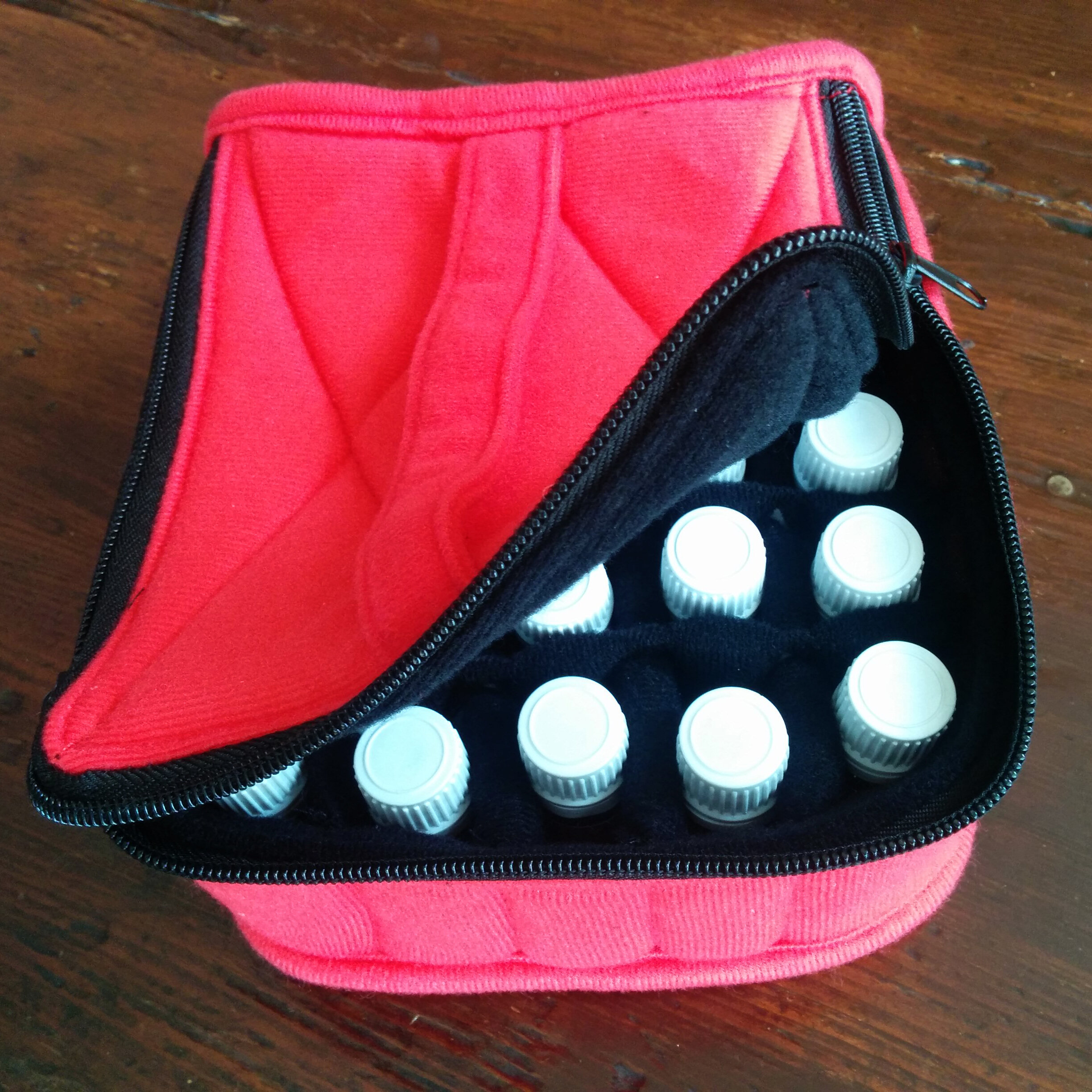
The Standard Starter Kit consists of these 16 5ml single herb essential oils witha free carry case (15% off for licensed professionals).
AI YE - Artmesia argy
BAI ZI REN - Biota seed
CANG ZHU - Atractylodes
CHAI HU - Bupleurum
CHUAN XIONG - Ligusticum wallichii
DANG GUI - Angelica sinensis
DU HUO - Angelica pubiscentis
GUI ZHI/GUI YE - Cinnamon twig and leaf
HUO XIANG - Pogostemonis (Agastaches)
JING JIE - Schizonepeta
QING HAO - Artemesia annua
QING PI - Green tangerine peel
SHE CHANG ZI - Cnidiium
XIANG FU - Cyperis
ZI SU YE - Perilla leaf
ZHI ZI - Gardenia fruit
(Balsamifera Folium)
Steam distilled Balsamifera Folium
(Blumea Leaf)
Our Blumea Leaf essential oil is locally steam distilled from Balsamifera growing in the lush, green hills of Guizhou Province.
The aroma of Ai Na Xiang oil is strong, brightly pungent, menthol and herbaceous. Upon inhalation, it quickly penetrates, clears the nasal and bronchial passages, opens the sensory orifices and awakens the mind.
Ai Na Xiang essential oil, with its abundant L-Borneol and 1-8 Cineole content is broadly antimicrobial, heat clearing and detoxifying as well as antioxidizing.
Applied topically, it reduces the inflammation, swelling and pain of injuries. It is beneficial for skin problems such as burns, insect bites or stings, and inflammatory and allergic reactions.
Used as a spray, or a mouth and nasal wash it treats sore throat, mouth ulcers and sinusitis. Diffused into the air it is helpful for respiratory conditions with cough, wheezing and congestion.
Ai Na Xiang also has anti-fungal, anti-parasitic, anti-bacterial benefits for digestive track infections.
Note: middle
Major chemical components: 1,8-cineole, borneol, β-caryophyllene, camphor, 4-terpineol, a-terpineol, caryophyllene oxide.
15ml bottles of essential oils are offered at a 15% discount for licensed professionals only, as found in the “select size” dropdown - see FAQ for information on how to access professional discounts.
International ordering policy and process